
Flowers
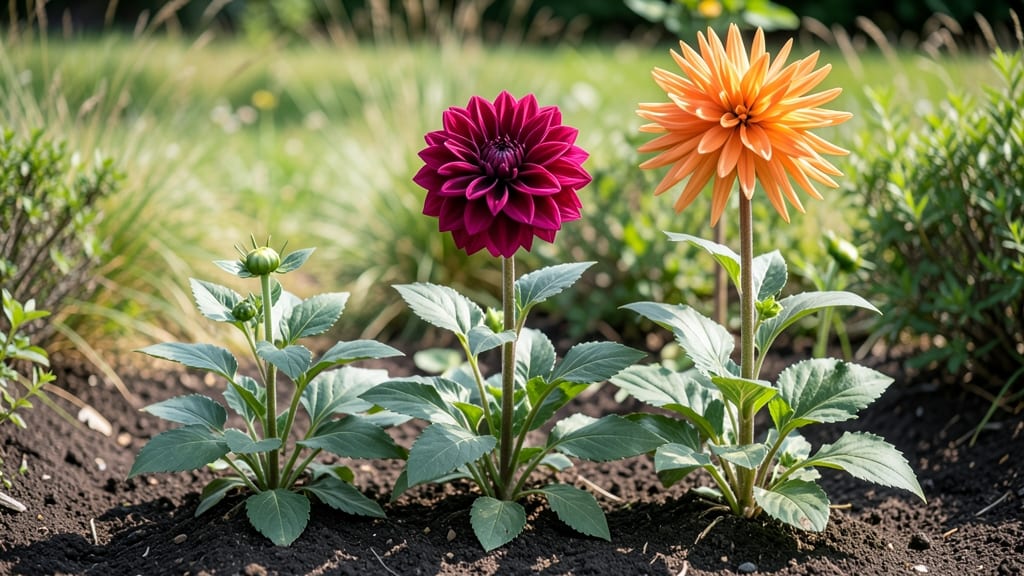
If you’ve ever wondered how tall do dahlia flowers grow, you’re not alone—this question is the first step to designing a showstopping garden that balances drama and practicality.
The 🌼 dahlias you plant could range from tiny tabletop accents to towering giants that outshine even your tallest shrubs, and the difference comes down to the variety you choose.
Picture this: a dwarf variety at just 8–18 inches could spill over a container like a colorful waterfall, while a giant variety might stretch to 6–8 feet, demanding staking or a trellis to support its lush blooms.
The right choice depends on your garden’s layout, sunlight, and even your pruning habits—but getting it right means fewer headaches and more impact.
What if you could mix heights to create layers in your flower beds? A standard variety at 3–6 feet could frame a pathway, while semi-dwarfs (1.5–3 feet) add mid-level interest.
I’ll break down the exact height ranges, spacing tips, and care tricks to help you turn your dahlias into the star of your garden—without sacrificing structure or beauty.
Ready to transform your space? Let’s dive into the varieties, growth secrets, and pro tips that’ll have your dahlias reaching their full potential—no guesswork required.


Dahlia height ranges by variety: from compact to towering giants
Dahlias come in a stunning array of heights, from tiny tabletop varieties to giant specimens that can reach 8 feet tall—think of them as nature's skyscrapers for your garden.
Understanding these height ranges helps you choose the perfect dahlias for your space, whether you're working with a cozy container garden or a sprawling backyard. The right variety can transform your landscape into a layered, dramatic display that blooms from summer through fall.
Most gardeners categorize dahlias into four height groups: miniature, semi-dwarf, standard, and giant. Each group has distinct spacing needs, support requirements, and ideal planting locations.
For example, a 1-foot-tall dahlia thrives in a hanging basket, while an 8-foot variety needs a sturdy trellis and plenty of elbow room. Let’s break down the specifics so you can visualize—and plan for—their mature sizes.
Here’s a quick visual reference to compare dahlia heights to everyday objects: a miniature dahlia (8–18 inches) sits at about knee height, while a standard dahlia (3–6 feet) towers like a child’s reach.
Giant dahlias (6–8 feet) can dwarf even the tallest gardeners, making them perfect for creating dramatic backdrops or screening unsightly views. Knowing these comparisons helps you imagine how dahlias will fit into your garden’s vertical space.
One of the most popular miniature varieties is the 'Brownie' dahlia, which stays compact at 12–18 inches tall and blooms in rich, chocolate-brown hues. These are perfect for container gardening or adding a pop of color to window boxes.
On the opposite end of the spectrum, the 'Black Narcissus' dahlia can reach 7–8 feet, creating a dramatic focal point in any garden. Its deep burgundy-black blooms contrast stunningly against green foliage.
If you’re working with limited space, semi-dwarf varieties like 'Café au Lait' (2–3 feet) or 'Thomas Edison' (2–3 feet) offer a happy medium. They’re versatile enough for mixed borders or cutting gardens but won’t overwhelm smaller areas.
For larger gardens, standard dahlias like 'Arabian Night' (4–5 feet) or 'Galaxy' (5–6 feet) provide height without requiring the same structural support as giants.
When planning your dahlia garden, consider vertical layering to create depth. Place tall varieties at the back of borders or near fences, medium-height dahlias in the middle, and compact types in the front.
This technique not only maximizes your space but also draws the eye through the garden, creating a dynamic visual journey. For example, pair a 6-foot 'Galaxy' dahlia with a 2-foot 'Brownie' and a 3-foot 'Thomas Edison' for a stunning height progression.
Height isn’t the only factor to consider—bloom size and growth habit also play a role in your garden’s design. Some giant dahlias produce 12-inch blooms that can weigh down stems without support, while miniature varieties often have smaller, more delicate flowers.
Matching bloom size to height ensures your dahlias look balanced and intentional in their placement. For instance, a tall, slender dahlia with small blooms might need additional staking to prevent flopping.
Remember that dahlias grow taller each year as they mature. A 2-foot dahlia in its first year might reach 4 feet by its third season. This gradual increase means you’ll need to adjust your spacing and support as your plants grow.
Plan ahead by leaving extra room around your dahlias and installing trellises or cages early in the season to avoid damaging stems later.
For container gardening, stick to miniature or semi-dwarf varieties to avoid overcrowding. A
How to choose dahlias based on garden space and design goals
Selecting the right dahlia varieties for your garden isn’t just about color—it’s about creating a balanced, eye-catching display that works with your space. Whether you have a small balcony, a backyard border, or a dramatic focal point, choosing dahlias by height ensures your garden thrives.
Start by measuring your garden beds and visualizing how each variety will contribute to the overall design.
For containers or small spaces, dwarf dahlias (8–18 inches tall) are perfect. Varieties like ‘Mignon’ or ‘Little Chief’ fit snugly in pots, adding pops of color without overwhelming your patio or windowsill.
These compact beauties also work well in rock gardens or edging, where their manageable height keeps them contained and tidy.
If you’re designing a border or mixed bed, semi-dwarf varieties (1.5–3 feet) strike the ideal balance. Try ‘Café au Lait’ or ‘Thomas Edison’—their moderate height creates a lush, layered look that pairs beautifully with shorter perennials like salvia or coreopsis.
Place them in the middle of the border to frame taller plants behind them.
🌱 Pro Tips for Mixing Heights
- Place tall dahlias (5+ ft) at the back of borders or near fences/trellises to avoid blocking sunlight.
- Use semi-dwarfs (1.5–3 ft) as transition plants between short and tall varieties.
- Group dwarf dahlias (8–18 in) in clusters of 3–5 for a full, bushy effect in containers.
- Add stakes or cages to standard varieties (3–6 ft) early to prevent flopping and create vertical interest.
- Pair giant dahlias (6+ ft) with climbing roses or tall grasses for a romantic, whimsical backdrop.
For dramatic backdrops or focal points, standard and giant dahlias (3–8 feet) steal the show. Varieties like ‘Arabian Night’ or ‘Black Narcissus’ reach heights that make them statement pieces in cottage gardens or near entryways.
To support their weight, install sturdy stakes or cages at planting time—waiting until they’re tall can damage their delicate stems.
Don’t forget about color coordination when mixing heights! Use tall dahlias in monochromatic schemes (e.g., all purples or reds) to create a unified vertical line, while dwarf varieties can add contrasting pops of color at the front.
For example, pair a 6-foot ‘Galaxy’ dahlia (deep purple) with 12-inch ‘Bishop’ dahlias (bright yellow) for a striking contrast.
If you’re working with limited space but want variety, try escalating heights in containers. Start with a large pot (18+ inches wide) for a semi-dwarf variety, then place smaller pots with dwarf dahlias around it.
This creates a natural tiered effect that draws the eye upward, even in small areas.
Finally, consider your garden’s mature look. Dahlias grow taller each year, so what seems perfect now may need adjustments in a few seasons. Leave 12–18 inches of space between plants to accommodate their spreading foliage and future growth.
And remember: pruning early can control height while encouraging bushier, fuller blooms.