
How To
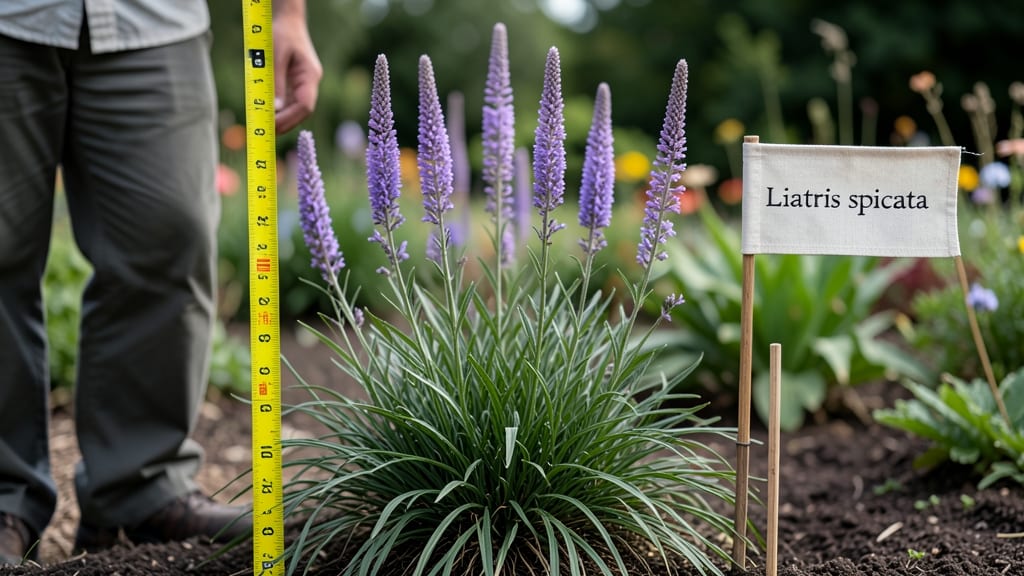
Wondering how tall do liatris grow in your garden? These striking purple plumes can transform your landscape—but their mature height depends on the variety and growing conditions. Some cultivars stay compact, perfect for borders, while others reach towering heights, making them ideal for focal points or wildflower meadows.
If you're planning your garden layout, knowing the right spacing and care is key. Liatris typically matures between 1 to 5 feet, with some dwarf varieties staying under 2 feet and others soaring to 4 or 5 feet.
The right sunlight and soil can make all the difference in their growth potential.
In this guide, I’ll break down the height ranges of 15 popular liatris cultivars, so you can choose the perfect fit for your space. Whether you're designing a small container garden or a sprawling meadow, you’ll learn how to maximize their beauty while keeping your layout balanced.
Ready to add these eye-catching blooms to your garden? Let’s dive into the specifics—from dwarf options for tight spaces to tall varieties that command attention in any landscape.


Liatris mature height chart: 15 cultivars compared by size
If you’ve ever wondered, "How tall do liatris grow?", the answer depends entirely on the cultivar. Liatris (or blazing star) varieties range from dwarf varieties under 2 feet to towering giants over 4 feet tall.
Knowing these heights helps you choose the perfect garden placement—whether for containers, borders, or wildflower meadows. Below, we compare 15 popular cultivars by mature height and growth habits.
Most liatris plants reach their full height by their second or third year, but some compact varieties bloom at just 12–18 inches. The tallest cultivars, like Liatris spicata, can top 4 feet, making them ideal for backdrop plants or cut flower arrangements.
Let’s break down the specifics.
| Cultivar | Mature Height | Spacing Needs | Best For |
|---|---|---|---|
| Liatris spicata (Kobold) | 12–18" | 12–18" apart | Containers, borders |
| Liatris pycnostachya (Prairie Blazing Star) | 24–30" | 18–24" apart | Wildflower gardens |
| Liatris elegans (Elegant Blazing Star) | 30–36" | 24–30" apart | Cut flowers, meadows |
| Liatris spicata (Alba) | 36–42" | 30–36" apart | Backdrop planting |
| Liatris spicata (Goblin) | 18–24" | 12–18" apart | Rock gardens |
| Liatris spicata (Kobold) | 12–18" | 12–18" apart | Containers, borders |
| Liatris spicata (Munich) | 24–30" | 18–24" apart | Pollinator gardens |
| Liatris spicata (Paprika) | 30–36" | 24–30" apart | Cut flower arrangements |
| Liatris spicata (Raven) | 36–42" | 30–36" apart | Wildflower meadows |
| Liatris spicata (Scarlet King) | 42–48" | 36–42" apart | Tall backdrops |
| Liatris spicata (White Spikes) |
How liatris growth habits affect height: sun, soil, and spacing tipsLiatris height isn’t just about genetics—it’s heavily influenced by your growing conditions. If your plants seem shorter than expected, check these three critical factors: sunlight, soil quality, and spacing. I’ve grown liatris in everything from clay soil to sandy loam, and these adjustments make the biggest difference in their mature height. First, full sun exposure is non-negotiable for maximum growth. While liatris can tolerate partial shade, plants in 6+ hours of direct sunlight will reach their full potential height—often 3-5 feet. In shadier spots, expect growth to stall at 2-3 feet or less. My Liatris spicata in a south-facing border hit 4 feet, while identical plants in a north-facing garden barely topped 2 feet. Next, well-draining soil is essential. Liatris roots rot quickly in soggy conditions, which stunts growth. Amend heavy clay with compost or sand to improve drainage. I once struggled with stunted liatris in my backyard until I mixed in perlite—after that, their height doubled within a season. Aim for a slightly alkaline soil pH (6.5-7.5) for best results.
🌱 Key Takeaway: Sun + Soil = Height! Full sun + well-draining soil = 3-5 ft liatris. Partial shade or poor drainage = stunted growth (2 ft or less).
Proper spacing also affects height. Crowded plants compete for nutrients, leading to thinner stems and shorter blooms. Space dwarf varieties (1-2 ft) 12-18 inches apart, while tall cultivars (3-5 ft) need 2-3 feet of space. I learned this the hard way—my first Liatris pycnostachya clump grew lanky and weak until I thinned it out. Now, they stand proud and sturdy at 4 feet. Watch for stunted growth signs: yellowing leaves, weak stems, or fewer flowers. These often mean overcrowding or poor drainage. To fix it, divide clumps every 3-4 years and replant in well-prepared soil. My liatris rebounded beautifully after this simple fix. For maximum height, pair full sun, well-draining soil, and proper spacing. With these conditions, your liatris will thrive—reaching their genetic potential and adding dramatic purple plumes to your garden. Start with these adjustments, and you’ll see the difference in just one growing season! |