
Trees
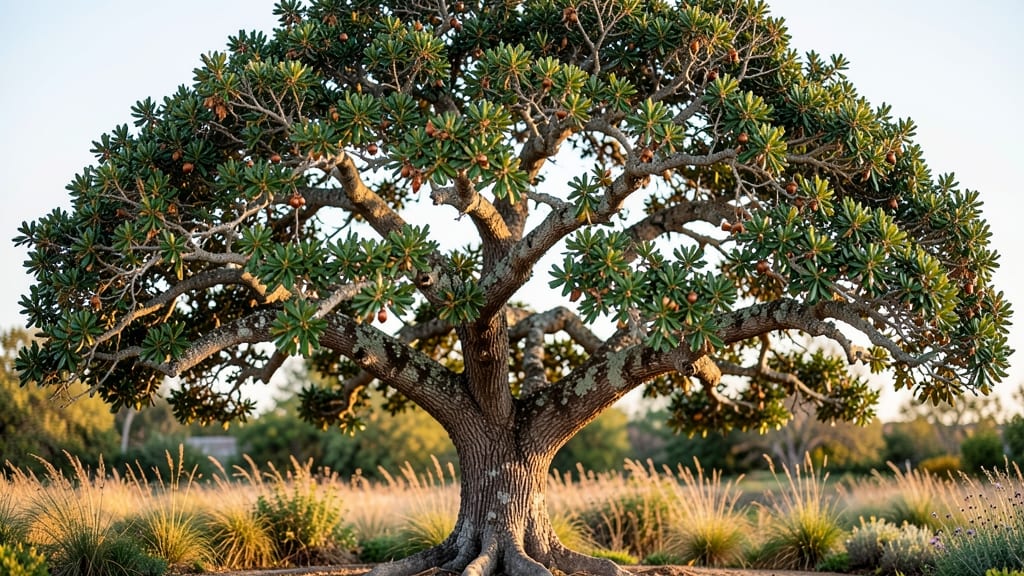
Average Live Oak tree height by mature stage and regional variations
The Live Oak (Quercus virginiana) is one of nature's grandest trees, capable of reaching 40–80 feet tall with a sprawling canopy that can stretch 60–100 feet wide. These trees are the long-lived giants of the southeastern U.S., often living for 200–300 years or more.
Their mature height makes them a stunning focal point for large landscapes and historic properties, but their size also requires careful planning.
In southern climates like Florida, Georgia, and Texas—where Live Oaks thrive—they tend to reach their maximum height potential of 60–80 feet.
Meanwhile, in northern regions such as Zone 6 (e.g., parts of Virginia or Missouri), they may stay shorter, around 30–50 feet, due to cooler temperatures and shorter growing seasons. Understanding these regional differences helps you set realistic expectations for your own Live Oak's growth trajectory.
| Stage | Height Range (ft) | Canopy Spread (ft) | Regional Notes |
|---|---|---|---|
| Year 1 | 2–4 ft | 1–2 ft | Slow early growth; focus on root establishment. |
| Year 5 | 15–25 ft | 15–20 ft | Accelerated growth in warm climates. |
| Mature (30+ years) | 40–80 ft | 60–100 ft | Southern U.S. reaches max height; northern climates stay shorter. |
| Centennial (100+ years) | 60–80 ft | 80–120 ft | Canopy may touch adjacent trees; requires pruning. |
One of the most striking features of Live Oaks is their wide-spreading branches, which create an expansive canopy. This horizontal growth often overshadows their vertical height, making them ideal for shade gardens or as a natural umbrella over patios and playgrounds.
In urban settings, their size means they’re best suited for large properties or as street trees in wide boulevards.
Soil quality plays a critical role in determining how tall your Live Oak will grow. These trees prefer well-draining, slightly acidic soil (pH 5.0–6.0) with a mix of sand, silt, and clay. Compacted or waterlogged soil can stunt their growth, while loamy, nutrient-rich soil encourages faster and taller development.
If your soil is heavy clay, amending it with organic matter like compost or pine bark can improve drainage and support healthier root systems.
Climate also influences height. Live Oaks thrive in USDA Zones 6–10, where they experience warm winters and hot summers. In cooler northern zones, like Zone 6, their growth rate slows, and they may never reach the 60–80 ft mark.
Conversely, in southern zones (e.g., Florida or Texas), they grow more aggressively, reaching their full height potential faster. If you’re planting in a marginal zone, like Zone 6a, consider providing winter protection for young trees to encourage robust growth.
Sunlight is another key factor. Live Oaks require full sun exposure (6+ hours daily) to reach their maximum height. In partial shade, their growth rate slows, and they may develop a less dense canopy.
If you’re planting near other trees, ensure your Live Oak has unobstructed sunlight during its critical early years to establish strong vertical growth. Even in mature trees, pruning lower branches can encourage upward growth and a taller silhouette.
For gardeners in smaller spaces, it’s important to note that Live Oaks are not suitable for container growing or tight yards. Their massive root systems and expansive canopies require ample space—at least 50 feet in diameter for a mature tree.
If space is limited, consider planting a young sapling and planning for its eventual size, or opt for a smaller native oak variety like the Shumard Oak or Water Oak that still provides shade without the same footprint.
When planning your landscape, think beyond just height. A Live Oak’s canopy spread and root depth (which can extend 30–50 feet from the trunk) mean you’ll need to account for its underground space too.
Avoid planting near foundation structures or septic systems, as their roots can cause damage over time. Instead, position your Live Oak where it can thrive without competing with other plants or structures for resources.
🌳
Key factors that determine Live Oak tree growth height
When planning to plant a Live Oak, understanding what influences its growth height is crucial. Unlike fast-growing trees, Live Oaks develop slowly—typically 1–2 feet per year—but their final size can vary dramatically based on environmental factors.
From soil quality to pruning practices, every detail matters. Let’s break down the key variables that shape how tall your Live Oak will grow.
First, soil type plays a massive role. Live Oaks thrive in well-draining, slightly acidic soil (pH 5.0–7.0). Sandy or clay-heavy soils can stunt growth, while loamy, nutrient-rich soil encourages optimal height.
If your soil is poor, amending it with compost or organic matter can give your tree a growth boost over time. We’ve found that trees planted in native, undisturbed soil often reach their maximum height potential faster.
The climate zone where you live also impacts height. In warmer southern regions (like Florida or Texas), Live Oaks can grow 60–80 feet tall with wide, sprawling canopies. However, in cooler northern zones (like Zone 6), they may only reach 30–50 feet due to slower growth rates.
Always check your USDA hardiness zone before planting—it’s a game-changer for long-term height expectations.
🌱
✅ Growth Boosters
❌ Growth Inhibitors
6+ hours daily = faster vertical growth
Prevents root stress, supports taller growth
Encourages upward growth, removes weak branches
Root rot limits nutrient uptake, stunts height
Competition for resources = slower, weaker growth
Removes too much foliage, reduces energy for height
Water availability is another critical factor. While Live Oaks are drought-tolerant once established, young trees need consistent deep watering (every 3–5 days) to support rapid root and shoot growth.
Underwatering can lead to stunted height, while overwatering causes root suffocation. We recommend using a soil moisture meter to strike the right balance—especially in hot, dry climates.
Pruning is often misunderstood when it comes to height control. Structural pruning in early years—removing weak or crossing branches—actually helps the tree grow taller and stronger. However, topping or aggressive pruning can trigger excessive branching and reduce vertical growth.
If you want a taller Live Oak, focus on selective pruning to encourage upward energy flow.
Finally, disease and pest management can’t be overlooked. Oak wilt, fungal infections, and borers can weaken a tree, limiting its height potential. Regular inspections and preventative care (like applying copper fungicide in spring) keep your Live Oak healthy and growing toward its maximum height.
A strong tree is a tall tree!
By paying attention to these factors, you’ll give your Live Oak the best chance to reach its genetic height potential. Remember, patience is key—these trees are built for longevity, not speed! 🌳