
How To
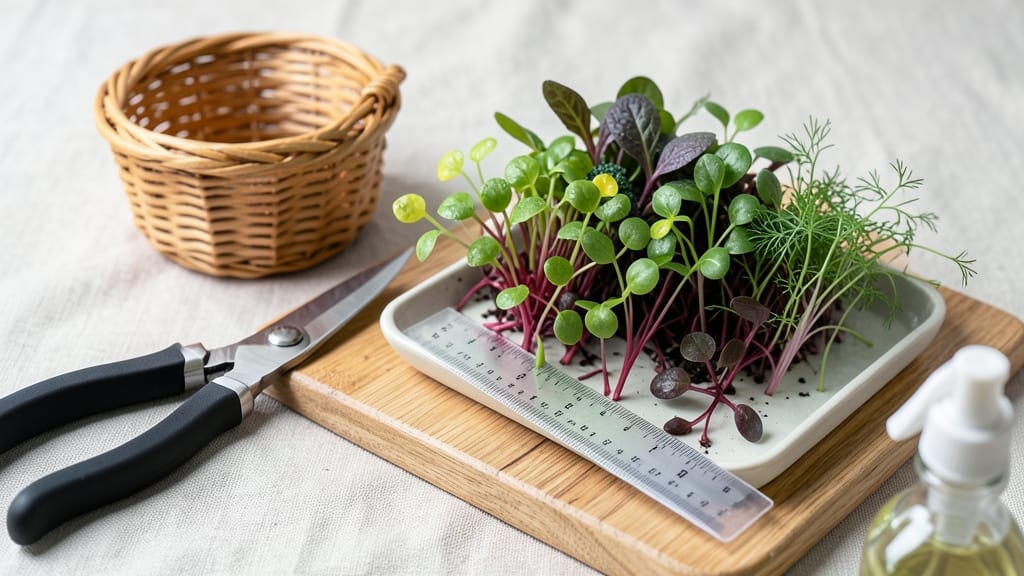
Microgreen growth stages by height: when to harvest each type
Microgreens are tiny powerhouses of nutrition, but their harvest height varies dramatically depending on the variety. Most grow to just 1–3 inches tall, but some like sunflower microgreens can reach 4–6 inches before harvest. Understanding these stages ensures you enjoy the best flavor and texture at the perfect time.
Harvesting too early means missing out on nutrients, while waiting too long can turn tender sprouts into bitter, woody stems. The key is watching for the first true leaves—these signal peak harvest readiness.
For example, radish microgreens are ready at just 1 inch, while broccoli microgreens need 2–3 inches of growth.
Here’s a quick visual guide to help you track growth stages by height and harvest windows for popular microgreens:
| Variety | Height at Harvest | Days to Harvest | Harvest Signs |
|---|---|---|---|
| Radish | 1–2 inches | 7–10 days | First true leaves, vibrant purple/green |
| Broccoli | 2–3 inches | 10–14 days | Compact rosette, bright green |
| Sunflower | 4–6 inches | 14–21 days | Long stems, first true leaves |
| Pea Shoots | 1–2 inches | 8–12 days | Tender, bright green, no yellowing |
For most microgreens, the ideal harvest height is just after the first true leaves appear. These leaves are larger and more nutrient-dense than the initial seed leaves. For example, broccoli microgreens develop tiny florets at this stage, adding a unique texture and flavor.
If you wait too long, microgreens can become leggy or bitter. This happens when they stretch toward light, a condition called etiolation. To prevent this, ensure your trays get 12–16 hours of light daily. A simple grow light or a sunny windowsill can make all the difference.
Harvesting at the right height also ensures you get the maximum nutritional benefits. Research shows that microgreens contain 4–40 times more nutrients than their mature counterparts. For instance, red cabbage microgreens are packed with vitamin C and anthocyanins, while amaranth microgreens are rich in protein and iron.
To harvest, use a sharp pair of scissors or kitchen shears to snip just above the soil line. This encourages regrowth for a second harvest, especially with varieties like pea shoots or radish.
Rinse gently under cool water, pat dry, and store in an airtight container in the fridge for up to 5–7 days.
Pro tip: If your microgreens start to yellow or bolt (send up a flower stalk), it’s a sign they’ve passed their prime. This is common in hotter weather or long daylight hours, so keep an eye on your trays and harvest promptly.
Experiment with different varieties to see which heights and flavors you prefer. Some gardeners love the peppery kick of radish microgreens, while others prefer the mild sweetness of sunflower shoots. The beauty of microgreens is their versatility—you can grow them year-round, even on a kitchen counter.
Why some microgreens grow taller than others: variety-specific growth factors
Microgreens might all be tiny, but their heights vary dramatically based on genetics, light exposure, and soil conditions. For example, sunflower microgreens can reach 3 inches tall, while radish microgreens typically max out at 1–2 inches.
These differences aren’t random—they’re rooted in the plant’s natural growth patterns and how you nurture them.
Genetics play the biggest role. Some varieties, like pea shoots or amaranth, are bred to stay compact, while others, such as broccoli microgreens, grow taller to develop their signature spiky leaves.
Even within the same tray, you might see 1-inch radishes next to 2.5-inch sunflowers—it’s all about the seed’s DNA.
Light exposure is another critical factor. Microgreens grown under weak light (like a north-facing window) will stretch toward the light, becoming leggy and tall—sometimes up to 4 inches—while those under bright LED grow lights stay short and stocky.
This is called etiolation, and it’s a surefire way to ruin your harvest if you’re aiming for compact greens.
Soil conditions also influence height. Overcrowded trays force seedlings to compete for space, resulting in thinner, taller stems. Meanwhile, well-aerated, loose soil encourages bushier, shorter growth. Even the moisture level matters—overwatering can lead to weak stems that stretch upward, while consistent, even moisture keeps them sturdy and small.
🌱 Comparison Table: Microgreen Heights by Variety
| Variety | Typical Height | Growth Time | Best For |
|---|---|---|---|
| Radish | 1–2 inches | 7–10 days | Salads, sandwiches |
| Broccoli | 2–3 inches | 10–14 days | Pesto, garnishes |
| Sunflower | 2.5–3.5 inches | 14–21 days | Crunchy toppings |
| Pea Shoots | 1.5–2.5 inches | 10–12 days | Asian dishes |
| Amaranth | 1–2 inches | 8–12 days | Smoothies, juices |
To control height, focus on light intensity and spacing. Use full-spectrum LED grow lights 6–12 inches above your trays to prevent stretching.
Thin seedlings to 1 inch apart to avoid overcrowding, and harvest immediately when you see the first true leaves—this ensures you get the sweetest, most nutrient-dense greens at their ideal size.
If you’re growing microgreens for specific dishes, choose varieties with predictable heights. For example, radish microgreens are perfect for delicate salads, while sunflower microgreens add a bold crunch to bowls. The key is to match the variety to your needs and adjust your growing conditions accordingly.