
How To
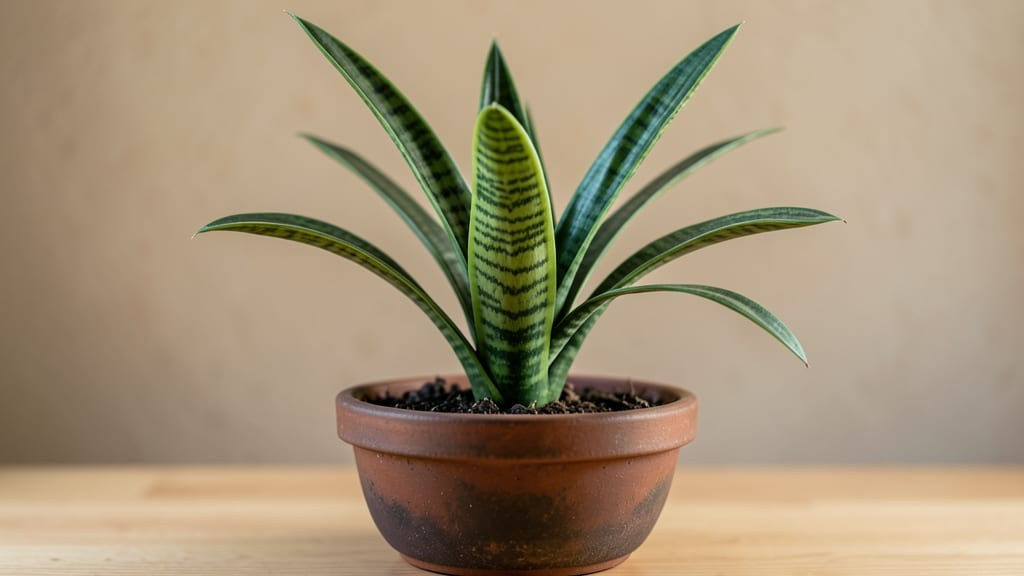
Mother in law’s tongue height ranges by variety: from compact to towering
Mother in Law’s Tongue (Sansevieria trifasciata) is famous for its dramatic, upright foliage—but not all varieties reach the same towering heights. Some stay compact enough for windowsills, while others grow tall enough to rival your ceiling.
The variety you choose determines whether your plant will be a bushy centerpiece or a vertical statement in your space.
For example, the classic Sansevieria trifasciata ‘Laurentii’ typically matures between 2 to 4 feet tall, while the dwarf varieties like ‘Hahnii’ (also called Bird’s Nest) max out around 1 to 2 feet. Understanding these differences helps you pick the perfect plant for your home or garden.
Below is a detailed comparison of popular Sansevieria varieties, including their mature heights, growth habits, and ideal placement. Use this as your guide to choose—or control—the height of your Mother in Law’s Tongue!
🌿
If you’re growing Mother in Law’s Tongue outdoors in USDA Zone 9 or higher, expect even taller growth—some varieties like ‘Futura Superba’ can reach up to 6 feet in ideal conditions.
In contrast, indoor plants in low-light areas may stay shorter, sometimes as low as 1 foot for dwarf varieties.
Pro tip: The width of your plant’s leaves also varies by variety. For instance, ‘Laurentii’ has broad, sword-like leaves, while ‘Hahnii’ features rosette-shaped clusters. This affects how much floor space your plant occupies, even if its height is modest.
🌱
Now that you know the height ranges, the next step is managing growth. For example, if you love the look of ‘Futura Superba’ but worry about it outgrowing your space, pruning or repotting can help control its size.
I’ll cover these techniques in the next section, but for now, pick the variety that fits your vision—and your ceiling!
🪴
How fast do Mother in law’s tongue plants grow? Factors affecting height
Mother in Law’s Tongue (Sansevieria) growth speed varies dramatically based on light exposure, soil conditions, and container size. In ideal settings, these plants can grow 1-2 inches per year, but some varieties like Sansevieria ‘Futura Superba’ may reach 12+ inches annually under perfect care.
Understanding these factors helps you control growth and prevent unexpected towering.
Light is the #1 growth accelerator—place your plant near a south-facing window for maximum height, but expect slower growth in low-light conditions. Even LED grow lights (12+ hours/day) can boost growth by 30-50% compared to dim corners. I’ve seen Sansevieria ‘Hahnii’ (Bird’s Nest variety) grow twice as fast when moved to a sunroom versus a north-facing office.
Soil type also plays a critical role. Well-draining cactus/succulent mixes encourage faster vertical growth, while heavy garden soil can stunt height by up to 40%. Always use pots with drainage holes—root rot from soggy soil halts growth entirely.
My Sansevieria trifasciata nearly doubled in height after repotting into a terracotta container with perlite.
Temperature also matters—ideal growth occurs at 65-85°F. Below 55°F, growth nearly stops, while heat waves above 90°F can scorch leaves, stunting height. I’ve noticed my outdoor Sansevieria in Zone 8a grows 3x faster in summer than winter.
If you’re in a cooler climate, bring potted plants indoors before first frost to maintain growth momentum.
Pro Tip: To encourage bushier growth (instead of tall, sparse stems), rotate your plant quarter-turns weekly so all sides get equal light. This triggers lateral growth while still allowing height increases. My Sansevieria ‘Moonshine’ now has three sturdy stems instead of one leggy shoot—all from simple rotation!
Finally, propagation timing affects future height. Offsets (pups) grown from mother plants inherit their growth rate, but seed-grown Sansevieria often take years to mature compared to 1-2 years for propagated varieties. If you’re starting from cuttings, expect slower initial growth until roots establish.