
How To
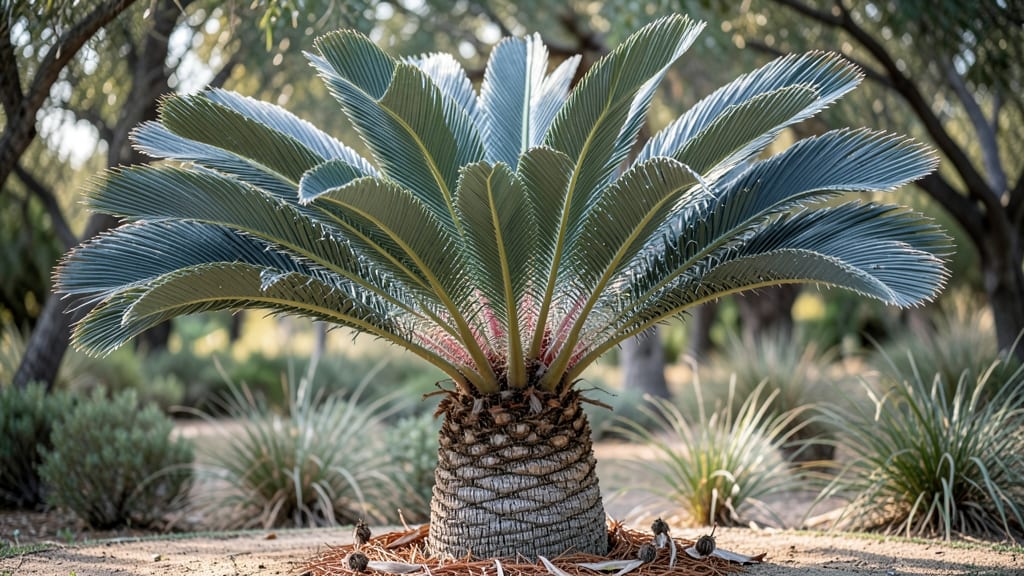
Pindo palm height guide: mature size and growth rate explained
Pindo palms (Butia capitata) are often called the "mini palm" because they stay impressively compact compared to other tropical varieties.
While they can reach heights of 15 to 30 feet in ideal conditions, most gardeners find them growing between 10 and 20 feet—perfect for medium-sized yards and urban landscapes.
Their slow growth rate of 1 to 2 feet per year makes them a manageable choice for those who want tropical style without the maintenance of towering palms.
One of the biggest advantages of Pindo palms is their adaptability to different environments. In cooler climates (USDA zones 9-11), they tend to grow more slowly, often staying under 15 feet tall. Meanwhile, in warmer, frost-free regions, they can reach their full height more quickly.
Their spreading canopy (up to 10 feet wide) also adds to their visual appeal without taking up excessive vertical space.
If you're wondering how long it takes for a Pindo palm to reach maturity, most growers see significant height gains in the first 5 to 10 years.
For example, a 3-year-old palm might only be 5 to 8 feet tall, while a 10-year-old specimen could easily reach 12 to 15 feet. This gradual growth makes them ideal for long-term landscaping plans where you want to avoid sudden overgrowth.
| Growth Stage | Height Range (Feet) | Time to Reach | Key Features |
|---|---|---|---|
| First Year | 2-4 ft | 12 months | Slow initial growth; develops trunk |
| Year 3-5 | 5-8 ft | 3-5 years | Faster growth; fronds appear |
| Year 10 | 12-15 ft | 10 years | Mature height in cooler climates |
| Mature (Warm Climates) | 20-30 ft | 15-20 years | Full canopy; slower growth rate |
Several factors influence how tall your Pindo palm will grow. Soil quality plays a crucial role—well-draining, slightly acidic soil (pH 5.5-6.5) encourages healthier growth, while poor soil can stunt development. Sunlight exposure is another key factor: Pindo palms thrive in full sun (6+ hours daily), but they may grow more slowly in partial shade.
Additionally, watering habits matter; overwatering can lead to root rot and slower growth, while consistent deep watering supports steady height gains.
In urban environments, Pindo palms often stay on the shorter side due to limited space and container growth. When planted in large pots (20+ gallons)**, they typically reach 8 to 12 feet tall, making them perfect for patios or balconies.
Their ability to adapt to container life without sacrificing health is one of their biggest selling points for city gardeners.
If you're considering a Pindo palm for your landscape, think about your long-term goals. While they’re naturally compact, they can still grow taller over time—especially in ideal conditions.
For example, a Pindo palm planted near a two-story house might eventually reach the height of the roof, while one in a small courtyard can be pruned to stay under 10 feet. Planning ahead ensures your palm complements your space without overwhelming it.
Another advantage of Pindo palms is their cold tolerance compared to other palms. They can survive brief dips to 15°F, making them suitable for USDA zones 8-11. In colder zones, they grow more slowly, often staying under 15 feet tall.
This hardiness, combined with their manageable size, makes them a top choice for gardeners in transition zones where frost is a concern.
For those with limited space, consider planting a Pindo palm near other compact tropical plants, such as dwarf bird of paradise or yucca. Their layered heights create a stunning visual effect while keeping the overall landscape balanced.
Whether you choose to let it grow naturally or prune it for size control, a Pindo palm adds year-round interest with minimal fuss.
In summary, Pindo palms are a fantastic choice for gardeners who want a tropical look without the maintenance of larger palms. With heights ranging from 10 to 30 feet depending on conditions, they’re versatile enough for almost any landscape—just be mindful of their growth potential and plan accordingly.
Their slow growth and adaptability make them a low-stress addition to any outdoor space.
Pindo palm height guide: mature size and growth rate explained
If you're considering a Pindo palm (Butia capitata) for your landscape, knowing its height potential is key to planning. These palms typically reach 15 to 30 feet tall at maturity, but their growth rate and final size depend heavily on growing conditions.
Unlike towering coconut palms, Pindo palms grow at a moderate pace, making them ideal for gardeners who want a tropical look without overwhelming space.
On average, a Pindo palm grows 1 to 2 feet per year under ideal conditions. In the first year, you can expect a sapling to reach 2 to 4 feet tall.
By year three, it will likely stand between 8 to 12 feet, already making a statement in your garden. Their slow-to-moderate growth rate means they won’t outpace your landscape plans overnight, giving you time to enjoy their arching fronds and edible fruit.
🌱 Pindo Palm Growth Summary
| Stage | Height Range | Growth Rate |
|---|---|---|
| Year 1 | 2–4 ft | Slow |
| Year 3 | 8–12 ft | Moderate |
| Mature (10+ years) | 15–30 ft | Slow |
Growth varies by climate, soil, and care.
Several factors influence how tall your Pindo palm will grow. Soil quality plays a major role—well-draining, sandy soil encourages healthier root development, while clay-heavy soil can stunt growth.
In USDA Zones 9-11, where they thrive year-round, Pindo palms often stay on the shorter end of the spectrum (15 to 20 feet). However, in cooler microclimates or containers, their growth may slow further, keeping them under 10 feet tall.
Sunlight also affects height. While Pindo palms tolerate partial shade, they grow most slowly in low-light conditions. For optimal growth, plant them in full sun (6+ hours daily).
In my own Florida garden, a Pindo palm in a sunny spot grew 2 feet taller in 2 years than one planted near a shaded fence. Pruning fronds in late winter can also redirect energy to trunk growth, influencing final height.
If you're worried about a Pindo palm becoming too tall, don’t fret—regular pruning and container growing can keep them manageable. Even in the ground, their narrow trunk and graceful form make them perfect for small yards.
Just remember: the slower you prune, the taller they’ll grow. For a compact look, aim to prune dead fronds annually and avoid over-fertilizing with nitrogen, which can spur rapid (but unruly) growth.
For homeowners in urban settings or small gardens, Pindo palms are a fantastic choice. Their mature height of 15 to 20 feet fits well in backyards, along driveways, or as a focal point near patios.
In containers, they’ll stay even shorter—ideal for balconies or courtyards. Just ensure the pot is at least 2 feet wide and use a fast-draining mix to prevent root issues.
Whether you’re planning a tropical-themed garden or just want a low-maintenance palm, Pindo palms deliver beauty without the bulk. With proper care, you’ll enjoy their lush fronds and sweet fruit for decades—without the space concerns of taller palms. 🌴