
How To
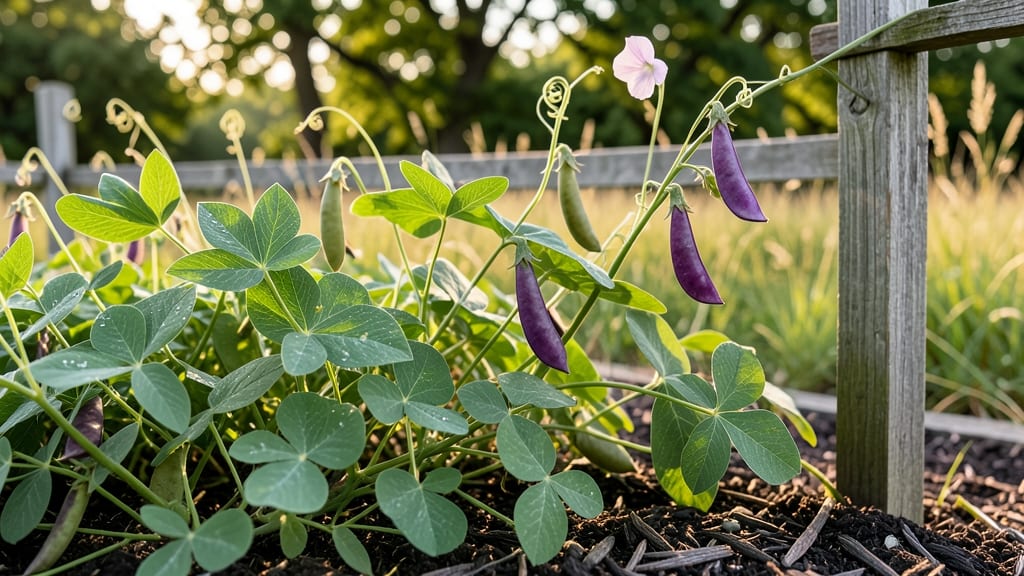
Purple hull pea height by variety: trellis vs bush growth comparison
Purple hull peas are a vining legume that can dramatically change your garden layout depending on whether you choose bush or trellis varieties. The height difference isn't just about aesthetics—it impacts yield, space efficiency, and even harvesting ease.
Most gardeners assume all purple hull peas climb, but bush varieties exist too, offering shorter, more compact growth.
On average, trellis varieties reach 4 to 6 feet tall, while bush types max out around 2 to 3 feet. This distinction is critical when planning your garden layout, especially in small spaces or containers. Understanding these differences helps you avoid overcrowding or underutilized vertical space.
The comparison table below breaks down the key differences between bush and trellis purple hull peas, including height ranges, vine spread, and ideal support structures. This visual guide will help you decide which variety fits your garden's dimensions and your gardening goals.
| Variety Type | Mature Height | Vine Spread | Support Needed | Yield Impact |
|---|---|---|---|---|
| Trellis Varieties | 4-6 feet | 3-5 feet wide | Trellis, fence, or stakes | Higher per plant (vertical growth) |
| Bush Varieties | 2-3 feet | 2-3 feet wide | None (compact growth) | Lower per plant (spreads out) |
Note: Trellis varieties require vertical support to reach full height, while bush types stay low and bushy.
For gardeners with limited space, bush varieties are ideal because they eliminate the need for trellises and fit neatly into container gardens or small plots.
However, trellis varieties often produce more pods per plant due to their vertical growth habit, making them perfect for maximizing yield in larger gardens or urban settings with vertical gardening.
Another key factor is the growth habit of purple hull peas. Trellis varieties grow upward aggressively, which can lead to tangled vines if not properly supported. Bush varieties, on the other hand, develop a compact, rounded shape, making them easier to manage and harvest.
This difference is especially noticeable in high-wind areas, where trellis varieties may require additional staking.
If you're growing purple hull peas in containers, opt for bush varieties to avoid overcrowding. Trellis varieties can work in containers too, but you'll need a compact trellis system and larger pots (at least 12 inches deep) to accommodate their root growth.
Always ensure your container has drainage holes to prevent root rot, which can stunt height and reduce yields.
One common misconception is that taller varieties always mean better yields. While trellis varieties can produce more pods, bush varieties often mature faster and may be ready for harvest 1-2 weeks earlier. This earlier harvest can be a game-changer in cooler climates where the growing season is shorter.
For example, in USDA Zone 5, bush varieties might finish their cycle before the first frost, while taller trellis types could struggle.
To maximize your purple hull peas' height potential, ensure they receive full sun exposure (6+ hours daily) and well-draining soil rich in organic matter. Adding a balanced fertilizer (5-10-10) at planting and again after 4-6 weeks can boost vine strength and height.
Avoid over-fertilizing with nitrogen, as this promotes leafy growth at the expense of pod production.
For those growing in urban gardens or small yards, consider mixing bush and trellis varieties. Plant bush types along fences or edges to fill gaps, then use trellises in the center for vertical growth. This layered approach creates a productive, space-efficient garden while keeping maintenance manageable. Just
Finally, if you're new to growing purple hull peas, start with a small batch of trellis varieties to test your trellis setup. This hands-on experience will help you refine your approach before scaling up. Whether you choose bush or trellis, understanding their height differences ensures your garden thrives without becoming a tangled mess. 🌱
Purple hull pea height by variety: trellis vs bush growth comparison
Purple hull peas are a favorite among gardeners for their sweet flavor and versatility, but their height can vary dramatically depending on whether you choose a trellis-growing or bush variety. Understanding these differences helps you plan your garden layout and maximize yields.
Most purple hull peas will climb to 4–6 feet when supported, while bush varieties typically stay between 2–3 feet tall.
If you're working with limited space, bush varieties are ideal—they don’t require trellises and fit neatly into smaller gardens. However, trellis varieties often produce longer, straighter pods and are easier to harvest.
The key difference lies in their growth habits: vining types need vertical support, while bush types grow compactly from the ground up.
| Variety Type | Mature Height | Vine Spread | Trellis Needed? | Best For |
|---|---|---|---|---|
| Trellis (Vining) | 4–6 ft | 3–5 ft wide | Yes | Vertical gardens, small spaces |
| Bush | 2–3 ft | 2–3 ft wide | No | Container gardens, ground planting |
For trellis varieties, the height can reach 6 feet if given proper support, but without a trellis, vines may sprawl and produce fewer pods. Bush varieties, on the other hand, are self-supporting and don’t require stakes or cages, making them perfect for container gardening or small plots.
Both types thrive in full sun and well-draining soil, but their height directly impacts how you’ll arrange them in your garden.
If you’re growing purple hull peas in containers, opt for bush varieties—they won’t outgrow their pots. For vertical gardening, trellis types are a game-changer, allowing you to grow more peas in less space.
Just ensure your trellis is at least 6 feet tall to accommodate mature vines and prevent lodging.
Another factor to consider is yield. Trellised peas often produce longer, straighter pods that are easier to harvest, while bush types may yield slightly less but are easier to maintain. For high-density planting, trellis varieties are the clear winner, as they maximize vertical space without sacrificing productivity.
When planning your garden, measure your available space and choose the variety that fits best. If you’re unsure, start with a mix of both—place bush varieties along fences or borders and trellis types near your vertical supports.
This way, you’ll enjoy the best of both worlds: compact growth and climbing productivity.