
How To
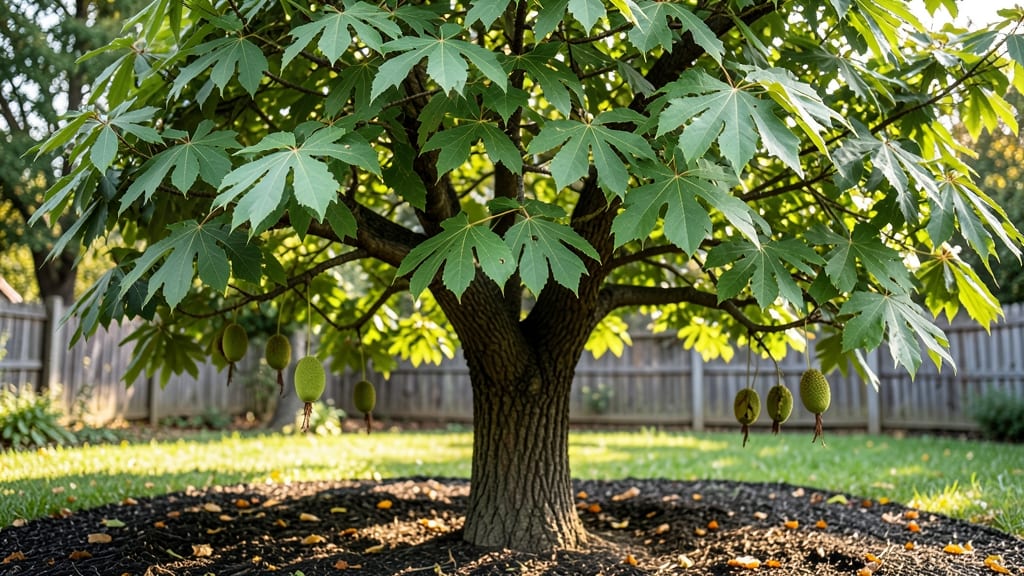
If you're wondering how tall does a walnut tree grow, the answer might surprise you—some varieties stretch toward the sky like skyscrapers, while others stay compact enough for even small backyards.
The Walnut Tree 🌳 you choose could end up as a towering 130-foot giant or a manageable 15-foot dwarf, depending on the type and care.
English walnut trees, for example, often reach 60-100 feet at maturity, while black walnuts can soar even higher. But don’t worry—there are dwarf varieties designed to fit urban spaces without sacrificing those delicious nuts. The key is understanding your space and climate before planting.
Growth rates vary too: some trees gain 3 feet per year in their youth, while others grow slower. Sunlight, soil quality, and pruning all play a role in shaping your tree’s future height.
Whether you’re planning a shade tree or a nut-bearing giant, knowing these factors will help you make the right choice.
Ready to plant? I’ll break down the best varieties for your yard, plus tips to control height naturally—so you can enjoy walnuts without sacrificing space. Let’s get started!


Walnut tree height by variety: from dwarf to giant species
Walnut trees aren't one-size-fits-all—their mature height can range from a compact 15 feet to a towering 130-foot giant, depending on the variety. If you're planning your backyard orchard, understanding these differences is key to choosing the right tree for your space.
Let me break down the most common walnut varieties and their expected heights.
First, let's talk about the English walnut (Juglans regia), the most popular choice for home gardeners. Standard varieties like 'Hartley' can reach 60-100 feet tall at maturity, while 'Serr' remains slightly shorter at 50-70 feet.
These are the classic "ancient forest" giants that need plenty of room to spread their roots and branches.
For those with limited space, dwarf varieties are a game-changer. 'Paradox' and 'Thomas' hybrids typically max out at 15-25 feet, making them perfect for small yards or even large containers. These compact trees still produce high-quality nuts but with far less maintenance and space requirements.
Now, let's look at black walnut (Juglans nigra), a native North American species known for its hardy nature. Standard black walnut trees can grow 70-130 feet tall, with some specimens reaching heights over 150 feet in ideal conditions. Their deep taproots make them less adaptable to urban planting.
Don't overlook heartnut (Juglans ailantifolia) varieties like 'Heartnut' or 'Manchurian walnut', which strike a balance with mature heights of 30-50 feet. These trees offer a middle ground between the massive English walnuts and compact dwarf varieties, making them excellent choices for medium-sized properties.
Here's where things get interesting: grafting and rootstock can dramatically alter a walnut tree's mature height. Nurseries often graft desirable varieties onto dwarfing rootstocks to create trees that stay 50% smaller than their standard counterparts.
This technique is how you get 25-foot 'Serr' grafted on dwarfing rootstock instead of a 70-foot giant.
🌱 Before you get excited about planting that 130-foot giant, consider your property's size and local regulations. Many municipalities have height restrictions for trees near property lines or power lines. Always check with your local planning department before planting large varieties.
| Variety | Common Name | Mature Height | Growth Rate | Best For |
|---|---|---|---|---|
| Juglans regia 'Hartley' | English Walnut | 60-100 ft | Moderate (1-2 ft/year) | Large properties, orchards |
| Juglans nigra | Black Walnut | 70-130 ft | Fast (2-3 ft/year) | Wildlife habitat, large rural areas |
| Juglans ailantifolia | Heartnut | 30-50 ft | Moderate (1-2 ft/year) | Medium yards, urban planting |
| Juglans regia 'Paradox' | Dwarf Hybrid | 15-25 ft | Slow (6-12 in/year) | Small yards, containers |
| Juglans regia 'Serr' (dwarf grafted) | Dwarf English Walnut | 25-40 ft | Moderate (1-1.5 ft/year) | Backyard orchards, urban homesteads |
When selecting your walnut tree, consider not just the mature height but also the canopy spread, which can be nearly as wide as the tree's height. For example, a 60-foot English walnut might have a 50-foot spread, requiring significant space.
Always measure your planting area and leave room for the tree to mature.
Pro tip: If you're planting near your home, choose varieties with narrower canopies like 'Thomas' or 'Paradox'. These trees grow more vertically, making them better suited for tight spaces. Just be prepared for some annual pruning to maintain their shape as they grow taller.
🌿 Remember that these height ranges are for trees grown in ideal conditions. Factors like soil quality, water availability, and pruning practices can all influence how tall your walnut tree ultimately becomes. We'll dive deeper into those factors in the next section.
Factors that control walnut tree height: soil, pruning, and climate
Your walnut tree’s final height isn’t just about its variety—it’s heavily influenced by soil quality, pruning habits, and your local climate. Even a standard English walnut can stay shorter if you control these factors, while a dwarf cultivar might reach its max potential with poor care.
Let’s break down how each element plays a role in shaping your tree’s stature.
First, soil drainage is critical. Walnut trees hate soggy roots, which stunt growth. Amend heavy clay soil with compost or sand to ensure roots expand freely. Poor drainage can also lead to root rot, which weakens the tree and slows vertical growth.
Test your soil’s pH—ideal levels are 6.0 to 7.5—and adjust with lime or sulfur if needed.
Next, pruning techniques directly impact height. If you want a taller tree, avoid topping (cutting the main trunk) and focus on removing dead or crossing branches instead. For a shorter, bushier tree, prune the central leader early to encourage lateral branches.
Use clean, sharp tools to make cuts just above a bud or branch collar.
Climate plays a surprising role too. Walnut trees thrive in USDA zones 5–9, but hot, dry summers can accelerate growth, while cool, wet climates may slow it down. In urban areas, pollution or limited space can also restrict height.
If you’re in a small yard, choose a dwarf variety like ‘Paradox’ (25–30 ft) and pair it with regular pruning to keep it manageable.
Finally, fertilization and watering habits matter. Walnut trees need balanced nutrients (like a 10-10-10 fertilizer) to grow tall, but over-fertilizing can lead to weak, leggy growth. Water deeply once a week during the first year, then taper to every 10–14 days once established.
Mulch around the base to retain moisture and regulate soil temperature.
By mastering these factors, you can guide your walnut tree’s height—whether you want a towering giant or a compact backyard staple. Start with the right soil prep, prune strategically, and adapt to your local climate for the best results. 🌳