
How To
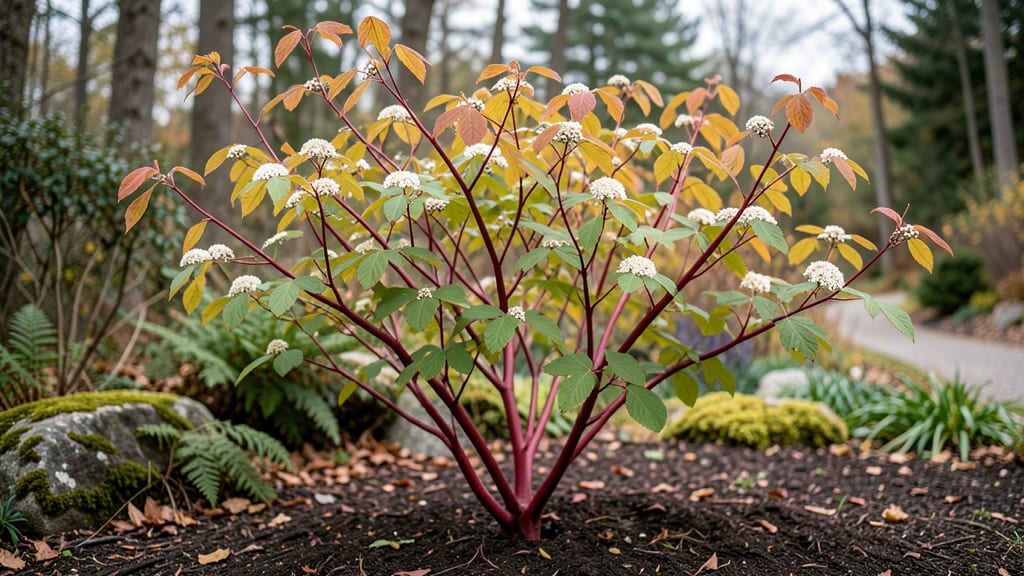
Red twig dogwood mature height by popular varieties: a complete size guide
Red twig dogwood (Cornus sericea and related cultivars) is a garden superstar, especially for its striking winter stems that add color when most plants are dormant. But before you plant, knowing the mature height of your chosen variety helps you pick the perfect spot.
Some varieties stay compact, while others reach tall shrub heights—here’s what to expect.
Most red twig dogwood varieties mature between 6 to 10 feet tall, but their spread can be just as wide (up to 12 feet). This makes them ideal for shrub borders, wildlife habitats, or even as a small tree-like focal point.
The key? Choosing the right variety for your space and climate.
If you’re working with limited space, varieties like 'Firebelly' or 'Flaviramea' stay under 6 feet tall, making them perfect for front-yard plantings or container gardens. For larger properties, 'Siberiana' or 'Cardinal' can create a dramatic winter statement with their towering heights.
One thing to note: red twig dogwood grows slow to moderate. In ideal conditions, you’ll see about 12–18 inches of growth per year.
This steady pace means it takes 3–5 years to reach its full mature height, giving you plenty of time to adjust your garden plan as it grows.
For urban gardens or small yards, consider pruning to control height. Regular pruning can keep even the tallest varieties like 'Siberiana' at a manageable 6–7 feet. Just avoid heavy pruning in late winter, as this can reduce the vibrant red stems that make this plant so special.
Pro tip: Pair taller varieties (like 'Kelseyi') with shorter perennials or ornamental grasses to create layered interest in your garden. The contrast between their upright growth and low-growing companions adds depth and texture.
Remember, red twig dogwood’s height isn’t just about aesthetics—it also affects how well it supports wildlife. Taller varieties provide better shelter for birds and habitat for insects, while smaller ones work well in pollinator gardens or butterfly-friendly landscapes.
Whether you’re planning a winter garden or a year-round landscape, choosing the right red twig dogwood variety based on height ensures your garden stays balanced, beautiful, and functional for years to come. 🌿
Does soil and sun affect red twig dogwood height? Growing conditions that influence growth
Red twig dogwood (Cornus sericea) thrives on adaptability, but its mature height can shift dramatically based on your soil type and sunlight exposure.
While most varieties reach 3–6 feet tall, well-drained soil and the right light can encourage taller, more robust growth, while poor conditions may stunt it. Understanding these factors helps you plan for the perfect winter color display in your landscape.
Sunlight plays a critical role in height development. In full sun (6+ hours daily), red twig dogwood often grows taller and bushier, with vibrant red stems that stand out against snow. However, in hot climates, afternoon shade prevents stress, keeping the plant compact and healthier. Too little light (under 4 hours) can lead to leggy growth and weaker stems, reducing winter interest.
Soil moisture and drainage are equally important. Clay-heavy soils can slow growth and cause root rot, while sandy or loamy soils promote faster, stronger development. Amending dense soil with compost or organic matter improves drainage and supports optimal height potential.
Always plant in areas with moderate moisture—avoid waterlogged spots, which can stunt growth.
🌱 Key Takeaway: Height Hacks
- For taller growth: Plant in full morning sun with well-draining soil.
- For compact growth: Provide afternoon shade and moisture-retentive soil.
- Avoid: Heavy clay or soggy soil—both limit height and weaken stems.
Climate zones also influence height. In cooler zones (USDA 3–5), red twig dogwood may grow slightly taller due to slower seasonal changes, while in warmer zones (6–8), growth can be more controlled with proper pruning. Always match your variety to your local growing conditions—some cultivars, like ‘Flaviramea’, thrive in drier soils, while others need consistent moisture to reach their full height.
To maximize height potential, mulch around the base with 2–3 inches of organic mulch (like shredded bark) to retain moisture and regulate soil temperature. This simple step can boost growth by up to 20% in ideal conditions. Just avoid piling mulch against the trunk to prevent rot.
If your red twig dogwood isn’t reaching its expected height, reassess your planting site. A sunnier spot or soil amendments (like peat moss) can often revive growth. For dwarf-like results, prune aggressively in early spring—this encourages bushier, shorter growth while preserving those show-stopping red stems.
Remember, the healthier the plant, the more vibrant its winter color will be. By tweaking sun, soil, and moisture, you can steer your red twig dogwood toward your ideal height—whether you want a tall hedge or a compact container plant. 🌿