
How To
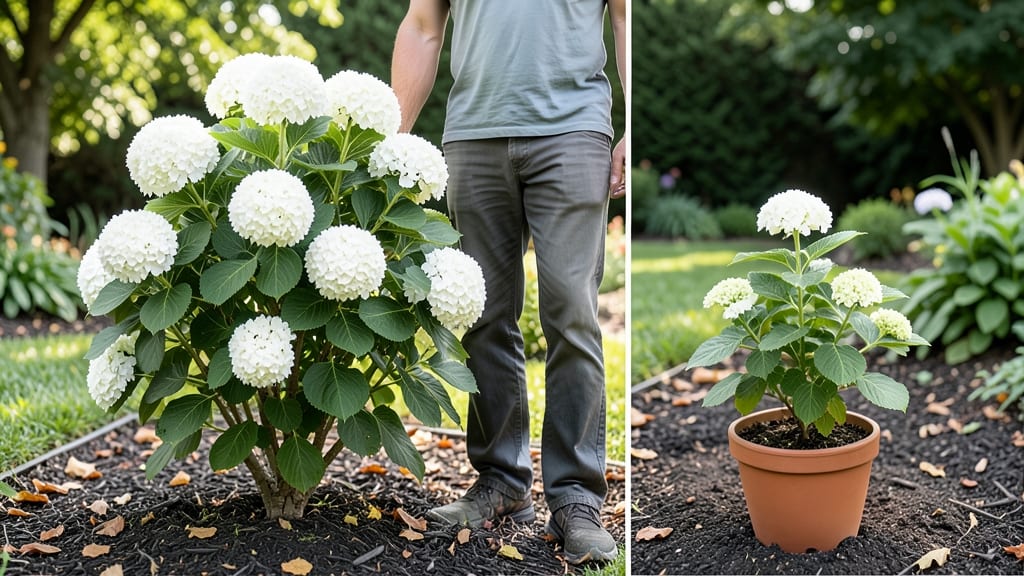
Hydrangea tree height by variety: from dwarf to towering giants
If you’ve ever wondered why some hydrangeas stay small while others reach tree-like proportions, the answer lies in their genetic variety. Hydrangeas range from dwarf shrubs under 3 feet to towering trees over 15 feet, making them incredibly versatile for any garden.
The key to choosing the right one for your space? Knowing which varieties lean toward compact growth and which become architectural giants.
Most hydrangeas fall into four main categories: Bigleaf, Panicle, Oakleaf, and Smooth. Each has its own height range and growth habit—some sprawl wide, while others grow tall and narrow.
For example, the Endless Summer® Bigleaf typically stays between 3-5 feet, perfect for containers, while the Grandiflora Panicle can soar to 12-15 feet, ideal for privacy screens.
Let’s break down the mature heights of the most popular hydrangea varieties so you can pick the perfect fit for your landscape. Whether you’re dreaming of a low-maintenance patio plant or a statement-making backyard tree, this guide will help you avoid surprises down the road.
As you can see, Panicle hydrangeas like Limelight® and Grandiflora tend to grow the tallest, making them ideal for backyard focal points or privacy hedges. Meanwhile, Bigleaf varieties like Endless Summer® are better suited for containers or small gardens where space is limited.
The Oakleaf hydrangea, with its striking fall foliage, often reaches tree-like proportions (8-12 feet) and thrives in
How to control hydrangea tree height: pruning secrets for every season
Pruning is the secret weapon for keeping your hydrangea tree at your desired height. Without proper pruning, even dwarf varieties can outgrow their space in just a few years.
The key is understanding when and how to prune based on your hydrangea type—because not all hydrangeas respond the same way to pruning cuts.
For panicle hydrangeas (like 'Limelight' or 'Little Lime'), you can prune anytime, even in late winter. These varieties bloom on new wood, so aggressive cuts encourage bushier growth. Meanwhile, bigleaf hydrangeas (like 'Endless Summer') need a gentler touch—prune right after flowering to avoid cutting off next year’s blooms.
Timing matters most for oakleaf hydrangeas. Prune in late winter or early spring before new growth begins. This prevents removing flower buds that form on old wood. Always use clean, sharp pruners to make 45-degree cuts just above a bud or leaf node.
Start with light pruning in the first year to establish shape. For tree-form hydrangeas, remove lower branches to create a clear trunk. In years 2-3, prune to remove 1/3 of the oldest wood to maintain vigor.
Always step back and visualize how your cuts will affect the plant’s growth habit.
If your hydrangea has grown too tall, don’t panic—gradual reduction works best. Over one season, trim back 1/3 of the height in stages. Pair this with annual pruning to control future growth. Remember, hydrangeas reward patience—proper pruning now means fewer headaches later.
For container-grown hydrangeas, prune more aggressively to keep them compact. Use hand pruners for small branches and loppers for thicker stems. Always sterilize tools between cuts to prevent disease spread. With consistent care, even 20-foot giants can be tamed into manageable sizes.