
How To
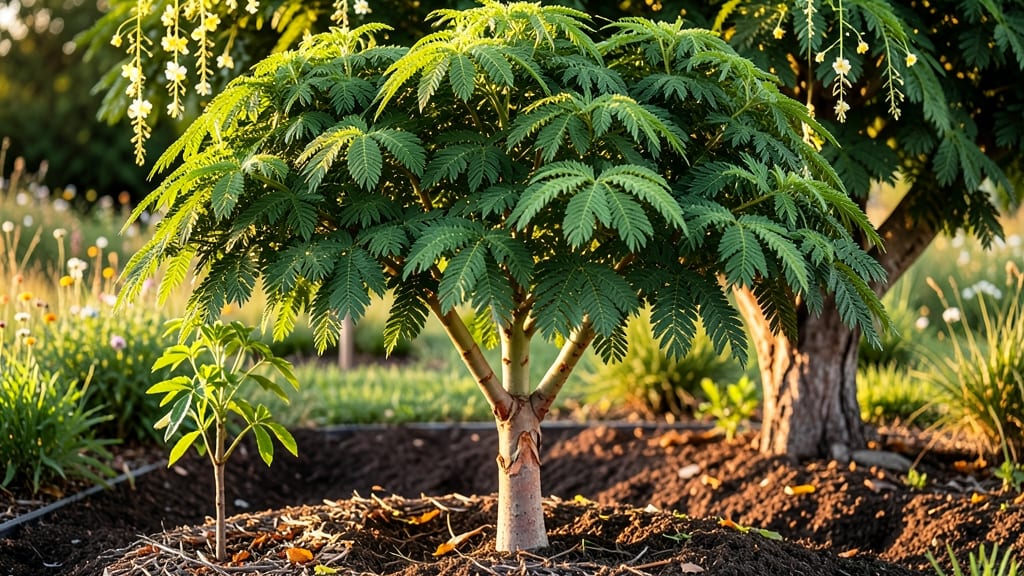
Moringa tree height growth chart: varieties and their maximum heights
Moringa trees are famous for their rapid growth and impressive height potential. The most common variety, Moringa oleifera, can reach heights of 20–30 feet under ideal conditions, while some tropical climates even see them towering to 40 feet or more.
But not all moringa trees grow equally—varieties like Moringa peregrina (desert moringa) stay shorter, typically maxing out at 10–15 feet.
The speed of growth is equally stunning. In just 6–12 months, a well-cared-for moringa tree can shoot up to 10 feet tall, making it one of the fastest-growing trees for home gardens.
By year three, many varieties hit their mature height range, though some continue growing slowly for years. Understanding these growth patterns helps you plan for space and pruning needs from day one.
If you're working with limited space, don’t worry—pruning and training can keep moringa trees compact. Even in small yards or containers, you can guide growth to stay under 6–8 feet while still enjoying a bountiful harvest.
The key is knowing which variety you’re growing and how to manage its natural tendencies.
| Variety | Height Range (Mature) | Growth Speed | Best For |
|---|---|---|---|
| Moringa oleifera | 20–40 ft | Rapid (10+ ft/year) | Large gardens, tropical climates |
| Moringa peregrina | 10–15 ft | Moderate (5–8 ft/year) | Dry climates, small spaces |
| Moringa arborea | 30–50 ft (wild) | Slow to moderate | Wild landscapes, not ideal for home gardens |
For home gardeners, Moringa oleifera is the most popular choice due to its versatility and fast growth. In my own garden, I’ve seen young trees reach 6 feet in just 6 months with consistent care.
The secret? Planting in well-draining soil, providing full sun exposure, and watering deeply but infrequently. These conditions mimic the tree’s natural tropical habitat and encourage rapid vertical growth.
If you’re growing moringa in containers, expect slightly slower growth due to root restriction. However, with proper pruning, you can still maintain a 4–6 foot tree that’s perfect for patios or small balconies. The trade-off? You’ll need to harvest more frequently to encourage bushier growth and prevent legginess.
Another factor to consider is the climate zone. In USDA Zones 9–11, moringa trees thrive year-round, reaching their full height potential. But in cooler zones, growth slows significantly, and trees may max out at 10–15 feet unless grown in containers and overwintered indoors.
This makes planning crucial—especially if you’re in a region with shorter growing seasons.
Pro tip: If you’re growing moringa for leaf production (not height), focus on pruning the top growth to encourage lateral branching. This creates a bushier tree with more harvestable leaves while keeping the overall height in check.
I’ve found that pruning back the top 1–2 feet every few months keeps my tree at a manageable 8 feet while boosting leaf yield by 30–40%.
For those in urban settings, dwarf varieties aren’t common, but you can achieve similar results with aggressive pruning. The goal is to remove the central leader (main upward stem) and promote side branches. This technique works wonders for maintaining a compact, tree-like shape even in tight spaces.
Finally, remember that soil quality plays a huge role in height potential. Moringa trees love nutrient-rich, slightly acidic soil (pH 6.0–7.0). Amending your soil with compost or organic matter before planting gives your tree the best start, ensuring it reaches its maximum height potential faster.
In my experience, trees planted in enriched soil grow 20% taller than those in poor-quality dirt.
5 Factors that determine moringa tree growth speed and final height
Understanding what shapes your moringa tree's growth is key to achieving your desired height. While Moringa oleifera can naturally reach 25-30 feet, several factors influence whether it grows tall and fast—or stays compact.
Let’s break down the top 5 variables that control your tree’s trajectory from sapling to skyward giant.
The first factor is climate and temperature. Moringa trees thrive in tropical/subtropical zones (USDA 9-11), where warm temperatures and high humidity fuel rapid growth. In cooler climates, expect slower growth and reduced height potential.
For example, a tree in Florida’s heat may hit 30 feet in 3 years, while one in California’s coastal zones might max out at 15 feet without winter protection.
Next, soil quality and drainage play a pivotal role. Moringa trees demand well-draining, slightly alkaline soil (pH 6.5-7.5). Poor drainage or heavy clay soil can stunt root development, limiting height.
Amend your soil with compost or perlite to improve aeration and nutrient availability. I’ve seen trees in sandy soil grow 20% faster because their roots access oxygen and water more efficiently.
Sunlight exposure is another critical lever. Moringa trees need 6+ hours of direct sun daily to maximize photosynthesis and vertical growth. Shade-loving varieties (like Moringa peregrina) may only reach 10-15 feet, while sun-basking trees can shoot up to 30 feet. If you’re growing moringa in a container, place it near a south-facing window or use grow lights to supplement.
Your watering routine directly impacts height, too. Young trees need deep, frequent watering (every 3-5 days), while mature trees thrive on weekly deep soaks. Underwatering stresses the tree, leading to shorter, weaker stems.
Overwatering, however, can suffocate roots and halt growth entirely. I’ve found that morning watering (before 10 AM) reduces evaporation and keeps roots healthy for upward expansion.
Finally, pruning practices are the most direct way to control height. Regular pruning encourages bushier, shorter growth by redirecting energy to lateral branches. For example, cutting back 1/3 of the canopy in early spring can limit a tree’s height by 30-50%.
Without pruning, moringa trees grow uncontrolled and tall, while strategic cuts keep them manageable for small gardens or urban spaces.