
How To
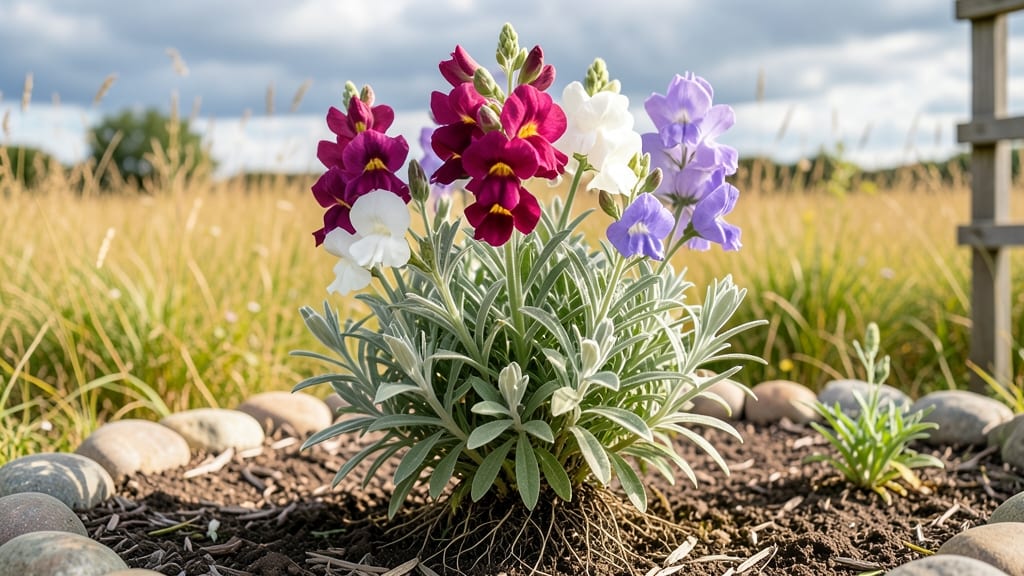
Snapdragon height ranges by variety type: dwarf to giant sizes
When planning your garden, knowing snapdragon height ranges helps you create stunning visual layers. These flowers grow anywhere from 8 inches to over 3 feet, depending on the variety. Understanding these differences ensures you allocate the right space and design your flowerbeds for maximum impact.
For example, dwarf snapdragons like 'Tiny Rubies' stay compact at just 8-12 inches tall, making them perfect for borders or container edges. Meanwhile, giant varieties like 'Black Prince' can reach 36-48 inches, adding dramatic vertical interest to the back of your garden.
Here’s a quick breakdown of snapdragon height categories to guide your garden planning:
| Variety Type | Height Range | Popular Cultivars | Best For |
|---|---|---|---|
| Dwarf | 8–12 inches | 'Tiny Rubies', 'Pocket Picks' | Borders, containers, window boxes |
| Semi-Dwarf | 12–18 inches | 'Matrix', 'Rocket' | Front of beds, mixed containers |
| Standard | 18–24 inches | 'Matrix Hybrid', 'Cupcake' | Mid-height beds, cut flowers |
| Tall | 24–36 inches | 'Hot Shot', 'Dragonfly' | Back of beds, tall containers |
| Giant | 36–48 inches | 'Black Prince', 'Giant Yellow' | Dramatic focal points, tall arrangements |
Choosing the right snapdragon height for your garden isn’t just about aesthetics—it’s also about sunlight exposure and airflow. Taller varieties need more space to avoid shading shorter plants, while dwarf types thrive in sunny spots without competing for light.
If you’re growing snapdragons in containers, opt for dwarf or semi-dwarf varieties to prevent overcrowding. For example, a 12-inch pot can comfortably hold 3-5 dwarf snapdragons, while a 18-inch container can accommodate 3-4 semi-dwarf plants.
For cut flower gardens, taller varieties like 'Hot Shot' or 'Black Prince' are ideal because their longer stems (up to 36 inches) create striking bouquets. Just ensure you provide sturdy support like stakes or cages to prevent flopping.
Pro tip: Mix different snapdragon heights in the same bed to create a cascading effect. Place dwarf varieties at the front, semi-dwarfs in the middle, and tall or giant types at the back. This technique adds depth and visual interest to your garden layout.
Always check the seed packet or plant tag for specific height expectations, as some varieties may vary slightly based on growing conditions like soil fertility and sunlight intensity. With the right variety, you can easily tailor snapdragons to fit any garden space!
How snapdragon height affects garden design and spacing
Snapdragons aren’t just pretty faces—their height variations play a crucial role in garden design. Whether you’re creating a colorful border or a container arrangement, understanding how their mature heights interact with your space can make or break your layout.
For example, dwarf varieties (8–12 inches) work beautifully as foreground accents, while tall snapdragons (3–4 feet) can serve as dramatic backdrop plants.
In traditional flowerbed layering, snapdragons excel as the middle tier. Place tall varieties at the back, medium heights (18–24 inches) in the center, and dwarf types along the front. This creates a natural staircase effect that draws the eye upward, adding depth and visual interest to your garden.
Containers are another great option—just ensure your pot is proportionate to the plant’s mature height.
Spacing is just as important as placement. Overcrowded snapdragons lead to floppy stems and poor airflow, which invites pests and diseases. As a general rule, allow 9–12 inches between plants for dwarf varieties and 12–18 inches for taller types.
If you’re growing snapdragons in rows or borders, aim for 12–15 inches between plants to prevent competition for nutrients and sunlight.
🌸 Numbered Highlights for Snapdragon Spacing
- Dwarf varieties (8–12"): Space 6–9" apart for container gardens or rock gardens.
- Medium heights (18–24"): Allow 12" spacing for border planting or mixed beds.
- Tall snapdragons (3–4'): Use 18" spacing to prevent stem flopping.
- Container rules: Choose pots 2–3x wider than the plant’s mature width (not height).
- Backdrop planting: Space 24" apart when using tall varieties as privacy screens.
For container gardening, height matters even more. A 4-foot snapdragon in a small pot will quickly outgrow its space, leading to root-bound stress and fewer blooms. Opt for large containers (12"+ diameter) with drainage holes and use lightweight potting mix to support taller stems.
If you’re combining snapdragons with other plants, pair tall varieties with trailing plants (like nasturtiums) to balance the height difference.
Another pro tip: Use height to guide color flow. Place darker flowers (like deep reds or purples) in the back to create contrast, while brighter colors (yellows, oranges) in the front will pop against greenery.
This technique works especially well in cottage-style gardens or formal herbaceous borders. For example, ‘Black Prince’ snapdragons (24–30 inches) paired with ‘Rocket’ series (36–48 inches) create a stunning vertical contrast.
Finally, don’t forget about wind exposure. Taller snapdragons in open or windy areas may need staking or trellising to stay upright. If you’re growing them near patios or walkways, consider shorter varieties to avoid obstructing views or creating tripping hazards.
With the right spacing and design strategy, snapdragons can elevate your garden’s structure while keeping maintenance manageable.