
Companion Plants
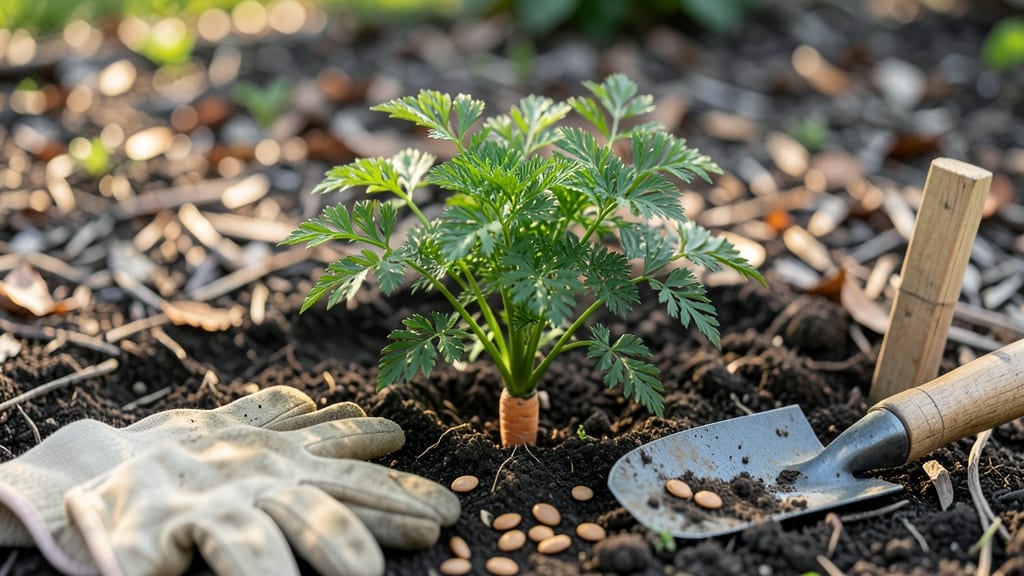
Zone 6 carrot planting calendar: exact weeks before last frost for success
In Zone 6, your carrot planting success hinges on understanding frost dates and soil temperature thresholds. The average last frost date falls around April 15, but local microclimates can shift this by 2-3 weeks.
For crisp, sweet roots, aim to plant your first batch 3-4 weeks before your last frost date when soil temperatures hit at least 50°F (10°C). This ensures seeds germinate quickly—carrots struggle in cold, wet soil.
Carrots thrive in cool weather but bolt (go to seed) when temperatures exceed 80°F (27°C). That’s why late summer planting (mid-July to early August) is your second best window. By this time, soil stays warm enough for germination but cools as fall approaches—perfect for avoiding bitter, fibrous roots.
Always check your local frost-free days (typically 165 days in Zone 6) to align harvests with cooler months.
| Planting Window | Soil Temp | Last Frost Buffer | Days to Maturity | Harvest Window |
|---|---|---|---|---|
| Early Spring (March 15-April 15) | 50°F+ (10°C+) | 3-4 weeks before last frost | 60-80 days | Late July-September |
| Late Summer (July 15-August 15) | 60°F+ (15°C+) | 10-12 weeks before first frost | 50-70 days (fast varieties) | September-October |
| Fall (August 20-September 15) | 55°F+ (13°C+) | 8-10 weeks before first frost | 60-70 days | October-November |
Use this planting calendar as your guide, but always verify with your local extension office—Zone 6 spans regions from Pittsburgh to Denver, where microclimates can vary dramatically. For example, Denver’s last frost often arrives 2 weeks later than Chicago’s, so adjust accordingly.
Pro tip: Test your soil temperature with a simple thermometer—carrot seeds need consistent warmth to germinate reliably.
If you’re planting in northern Zone 6 (e.g., 6a), err on the side of earlier sowing (late March) because cooler soils delay germination. In southern Zone 6 (e.g., 6b), you can push spring planting to mid-April without risking frost damage.
Always cover seeds with ¼-inch of loose soil—compacted earth will stunt root growth, leading to forked or misshapen carrots.
For succession planting, sow new seeds every 2-3 weeks after your first batch until mid-July. This ensures a continuous harvest and reduces the risk of bolting (when carrots flower prematurely).
Choose short-season varieties like ‘Early Nantes’ (58 days) or ‘Paris Market’ (60 days) for your earliest plantings—they mature faster and handle cooler soils better than longer varieties.
💡 Pro Tip: Mark your last frost date on a calendar and count backward using the days-to-maturity label on your seed packet.
For example, if you’re growing ‘Danvers Half Long’ (75 days to maturity), plant 75 days before your first expected frost (around July 1 in Zone 6) for a fall harvest. This math guarantees you’ll pull roots before winter sets in.
One common mistake? Planting too deeply. Carrot seeds need light to germinate—bury them only ¼-inch deep and keep soil moist until sprouts appear. Overwatering at this stage can cause seed rot, so use a fine mist or soaker hose.
Once seedlings emerge, thin them to 2-3 inches apart to prevent crowding, which leads to small, stunted roots.
Finally, mulch after thinning with straw or shredded leaves to retain moisture and suppress weeds. Carrots are shallow-rooted, so mulch helps prevent green shoulder (exposed root tips that turn bitter).
With these precision planting windows and soil prep tips, you’ll grow crisp, sweet carrots all season long—no more woody disappointments! 🥕
How to extend your carrot harvest in Zone 6: succession planting strategies
Want a steady supply of fresh carrots all season? The trick is succession planting—staggering your sowings to avoid a single overwhelming harvest (or none at all).
In Zone 6, where the growing season is shorter, timing each planting 3-4 weeks apart ensures continuous production from early summer through fall. This method also prevents overcrowding, which leads to those dreaded forked or stunted carrots.
Start your first batch 4-6 weeks before your last frost date (typically mid-March in Zone 6). For example, if your last frost is April 15, begin sowing around March 1-15. Follow up with additional plantings every 3 weeks until early July.
This schedule aligns with carrot varieties maturing in 60-90 days, ensuring you’ll have roots ready to pull just as the previous batch finishes.
Here’s the key: Calculate your local frost dates (check the Zone 6 Carrot Planting Calendar in Section 1) and work backward. For instance, if your first frost is October 15, and your carrots take 75 days to mature, your final planting should happen by July 20.
This timing guarantees a harvest before cold sets in.
| Planting Window | Action | Notes |
|---|---|---|
| March 1-15 | First sowing | Harvest by June 15 |
| April 1-15 | Second sowing | Harvest by July 20 |
| May 1-15 | Third sowing | Harvest by August 25 |
| June 1-15 | Fourth sowing | Harvest by September 10 |
| July 1-15 | Final sowing | Harvest by October 5 |
Pro tip: Use short-season varieties (like ‘Early Nantes’ or ‘Paris Market’) for your earliest and latest plantings. These mature in 60 days, giving you flexibility to squeeze in extra harvests.
For mid-season plantings, opt for Danvers or Chantenay—they’re more forgiving with temperature swings and produce thicker roots perfect for storage.
Avoid these common mistakes that sabotage succession planting: Overcrowding (thin seedlings to 2-3 inches apart), skipping soil prep (amend with compost before each planting), or ignoring bolt warnings (carrots bolt when days get too long—choose slow-bolting varieties for late summer).
With this strategy, you’ll enjoy homegrown carrots for 4-5 months—no grocery store needed! 🥕