
Companion Plants
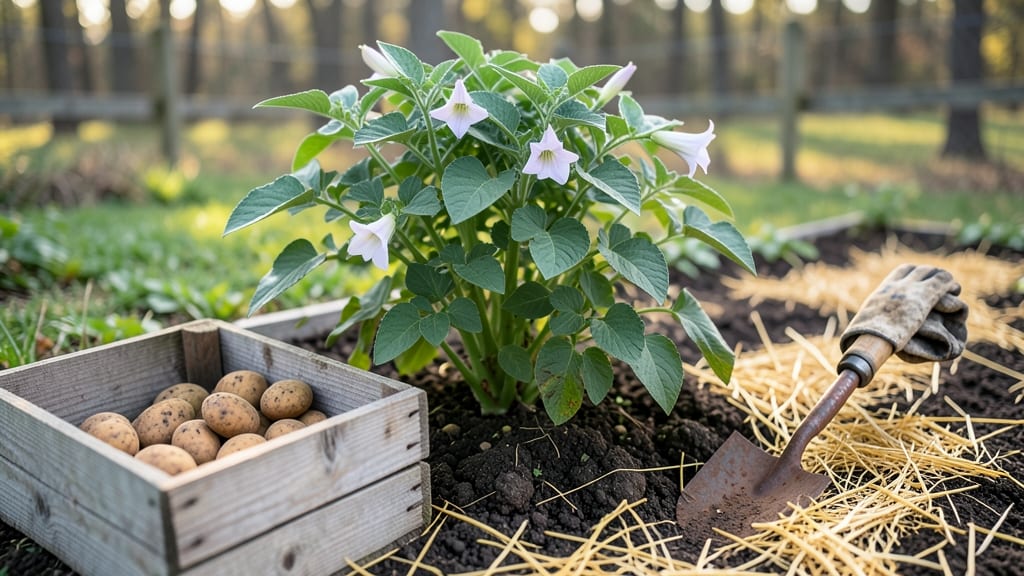
Ohio potato planting dates by soil temperature & frost risk zones
Ohio’s USDA Hardiness Zones 5a-6b create a 3-4 week window for planting potatoes, but timing varies dramatically across regions. The key rule is planting when soil reaches 45-50°F (7-10°C)—this triggers consistent sprouting without frost risk.
In northern Ohio (e.g., Cleveland, Toledo), aim for mid-April to early May, while southern Ohio (e.g., Cincinnati, Columbus) can start as early as late March.
Your last frost date is the anchor point: plant 2-4 weeks before this date to ensure tubers establish roots before cold snaps. Ohio’s average last frost ranges from April 15 (north) to April 1 (south), but microclimates—like low-lying areas or urban heat islands—can shift this by 1-2 weeks.
Always check your local frost-free date for precision.
Soil temperature is more critical than air temperature. Use a soil thermometer to confirm readiness—potatoes won’t sprout below 45°F. In clay-heavy Ohio soils, which warm slowly, you may need to pre-warm beds with black plastic mulch 1-2 weeks before planting to hit this threshold faster.
For successive planting, Ohio gardeners often stagger potatoes in 2-3 batches:
- Early varieties (e.g., Red Norland) in late March-April
- Mid-season (e.g., Yukon Gold) in mid-April
- Late varieties (e.g., Kennebec) in early May
This extends your harvest from June through August.
Regional variations matter: Toledo’s cooler, wetter springs often delay planting until mid-April, while Columbus’s warmer microclimates may allow early April starts. Cincinnati’s urban heat islands can push planting back 1 week later than rural areas just 20 miles away.
🌱Pro Tip: If your soil is too cold but you’re eager to plant, try indoor starts in grow bags or pots 6-8 weeks before your target date. Transplant seedlings when they’re 6 inches tall and soil warms.
Ohio Potato Planting Timeline by Region
| Region | USDA Zone | Ideal Planting Window | Soil Temp Threshold | Last Frost Date | Harvest Window |
|---|---|---|---|---|---|
| Northern Ohio (Toledo, Cleveland) | 5a-5b | Mid-April to Early May | 45-50°F | April 20-May 1 | Late June-August |
| Central Ohio (Columbus, Dayton) | 6a | Late March-April | 45-50°F | April 10-15 | Mid-June-July |
| Southern Ohio (Cincinnati, Athens) | 6b | Late March-Early April | 45-50°F | March 30-April 5 | Early June-July |
| All Regions (Succession Planting) | 5a-6b | 2-Week Intervals (March-May) | 45-50°F | Varies | June-August |
Note: Adjust for microclimates (e.g., south-facing beds warm faster).
Ohio’s clay soil can delay planting by 1-2 weeks compared to loamy or sandy soils. To speed up soil warming, use black plastic mulch laid 1-2 weeks before planting. This raises soil temps by 5-10°F and suppresses weeds—critical for Ohio’s competitive weed pressure in spring.
For cold-hardy varieties, consider early potatoes like ‘Early Red’ or ‘Chippewa’, which tolerate light frosts after sprouting. These can be planted 1 week earlier than standard varieties. However, avoid planting too early—soil below 40°F can cause rot or poor germination.
🌡️Warning:
How to adjust planting dates for Ohio’s unpredictable spring weather
Ohio’s spring weather can throw off even the most experienced gardener’s timing. Cold snaps in April or unexpected heat waves in March mean your potato planting schedule might need a last-minute tweak. The good news? With the right strategies, you can extend your planting window by 2-3 weeks—giving you more flexibility to avoid frost damage while still securing a great harvest. One of the easiest ways to adjust is by choosing cold-hardy potato varieties. Varieties like Yukon Gold or Kennebec tolerate cooler soils better than others, letting you plant earlier without risking rot. If you’re in a northern Ohio zone (5a-6a), these varieties can handle soil temperatures as low as 40°F for short periods.Another game-changer is using black plastic mulch or straw mulch to warm the soil faster. Laying down mulch 1-2 weeks before planting can raise soil temperatures by 5-10°F, creating a microclimate that’s ready for potatoes sooner.
This is especially helpful in southern Ohio (6b zone), where soil warms up quicker but early frosts can still sneak in.
If you notice your seed potatoes sprouting too early, don’t panic! Store them in a cool, dark place (50-60°F) until soil temperatures hit 45°F. This prevents premature growth and ensures your tubers are ready to plant at the optimal time.
For extra protection, use floating row covers after planting to shield young plants from late frosts.
For gardeners in urban areas like Columbus or Cincinnati, microclimates can create local variations. If your backyard is sheltered by buildings or trees, it might warm up faster than official frost charts suggest.
Use a soil thermometer to check temperatures at a 4-inch depth—this is the real indicator, not the air temperature.
Pro tip: Plant a second crop in late May or early June for a fall harvest. This works well with fast-maturing varieties like Red Pontiac or New Potatoes. Just be sure to use well-draining soil and keep them watered consistently to avoid scab disease in the heat.
When in doubt, follow the 50°F soil rule—this is your golden ticket for success. If the ground feels cold to the touch, wait a few more days. Ohio’s weather might be unpredictable, but with these adjustments, you’ll be harvesting homegrown potatoes like a pro.
🌱
5 Ways to Extend Ohio’s Potato Planting Window
-
1. Choose cold-hardy varieties 🥔
Pick Yukon Gold or Kennebec for planting at 40°F soil.
-
2. Use black plastic mulch ☀️
Warms soil by 5-10°F in 1-2 weeks for earlier planting.
-
3. Store sprouted seed potatoes 🌱
Keep at 50-60°F until soil hits 45°F.
-
4. Use row covers for frost protection 🌡️
Add after planting to shield from late frosts.
-
5. Plant a second crop in June 🌿
Use fast varieties for a fall harvest.
Ohio’s unpredictable spring doesn’t have to derail your potato plans. By combining cold-hardy varieties, soil warming tricks, and protective covers, you’ll turn weather challenges into opportunities for a longer, more reliable harvest season.
✂️