
Companion Plants
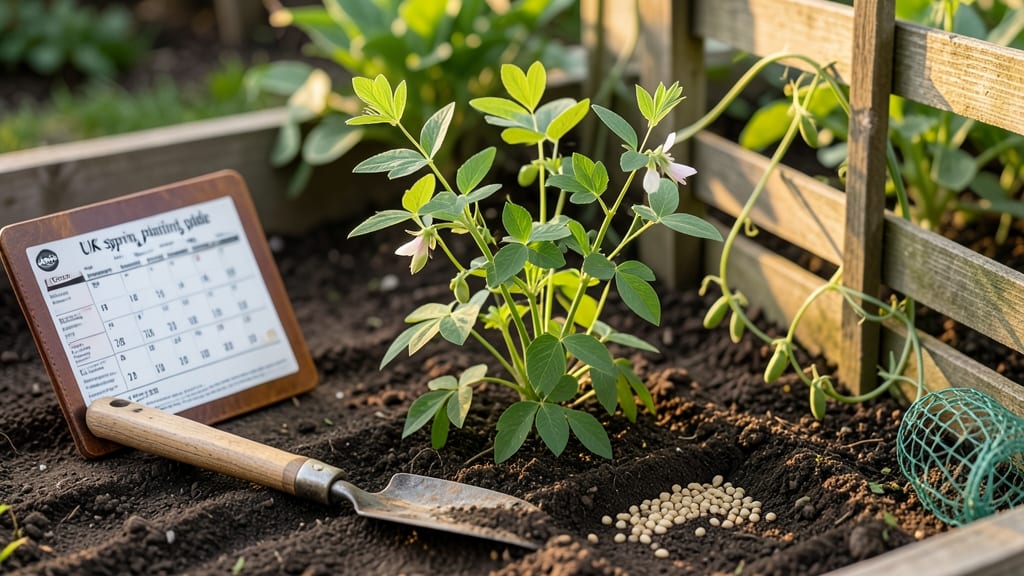
When do I plant peas in the UK? The answer isn’t as simple as you’d think—getting the timing wrong could mean struggling with frost damage or waiting too long for your 🌱 harvest. Unlike many crops, peas thrive in cool weather, but planting too early risks freezing soil, while waiting too late might miss the sweet spot before summer heat sets in.
Here’s the secret: most UK gardeners get it right by starting in early spring (February–March) or late summer (August–September), depending on their region. London’s 8a zone might see peas sprouting by March, while Scotland’s cooler 7b could need to wait until April.
The key is avoiding frost—aim for soil temperatures above 45°F (7°C).
But here’s where it gets tricky: even with the right month, soil prep and protection matter just as much. Using cloches or frames can shave weeks off your growing season, letting you start sowing as early as February in milder areas.
And if you’re in Cornwall’s 9a zone, you might even squeeze in a second harvest by planting in late summer.
I’ll walk you through the exact planting windows, soil tricks, and companion plants to maximize your harvest—no more guesswork, just a foolproof plan for your UK garden. Let’s get those peas in the ground the right way.
UK pea planting calendar: exact months by region (frost-free guides)
Peas thrive in the UK’s cool climate, but timing is everything—plant too early, and frost will kill your seedlings; too late, and you’ll miss the sweet spot for a summer harvest.
The key is understanding your region’s last frost dates, which vary dramatically from Cornwall’s mild USDA Zone 9a to Scotland’s chilly Zone 7b. For most UK gardeners, the ideal planting window falls between mid-February and early April, but coastal areas can start as early as January.
Northern Ireland and Scotland typically wait until late March or April to avoid late frosts, while southern England—especially Cornwall and Devon—can safely sow peas by February. Wales and the Midlands fall somewhere in between, with early March being the safest bet.
Always check your local Met Office frost forecasts or use a frost risk calculator for precise timing.
For a second harvest, aim for late summer (August–September) to enjoy peas in autumn. This works best in warmer microclimates like London or the Thames Valley, where soil stays warm longer. In cooler regions, stick to spring planting only to avoid poor germination.
🌱 UK Pea Planting by Region
| Region | USDA Zone | Best Planting Months | Last Frost Risk | Notes |
|---|---|---|---|---|
| Southern England (Cornwall, Devon) | 9a | Feb–Mar | Late Mar–Early Apr | Mildest climate; can sow under cloches in Jan. |
| London & Midlands | 8a | Mar–Early Apr | Mid–Late Apr | Use row covers for early sowing. |
| Wales & Northern England | 7b–8a | Late Mar–Apr | Early–Mid May | Wait for soil to warm above 45°F (7°C). |
| Scotland & Northern Ireland | 7b | Apr–Early May | Mid–Late May | Short growing season; prioritize fast-maturing varieties. |
| Coastal Areas (e.g., Kent, Cornwall) | 8a–9a | Jan–Feb | Early–Mid Apr | Maritime climate delays frost; ideal for early harvests. |
💡 Pro Tip: Use a garden thermometer to confirm soil temps are above 45°F (7°C) before sowing.
Microclimates play a huge role in the UK. A south-facing wall or greenhouse can warm soil by 5–10°F (3–5°C), allowing you to plant 2–4 weeks earlier than the general guideline. Conversely, low-lying areas or northern exposures may need to wait until May to avoid frost damage.
Always observe your garden’s unique conditions—what works for a London allotment might fail in a Scottish glen.
If you’re unsure about your local frost risk, try the "frost pocket test": Place a frost-sensitive plant (like calendula) in your garden in March. If it survives, your peas are likely safe to sow.
For high-risk areas, cold frames or fleece covers can push your planting window back by 6–8 weeks.
Don’t forget about succession planting! In the UK, you can stagger sowings every 2–3 weeks from March to May to ensure a continuous harvest through July. This is especially useful for slow-maturing varieties like 'Douce Provence', which take
How to extend your pea-growing season in the UK (avoiding common mistakes)
Extending your pea-growing season in the UK isn’t just about pushing early harvests—it’s about avoiding frost damage and maximizing yield in unpredictable weather. With the right techniques, you can start sowing as early as February or even harvest into November with late plantings.
The key lies in microclimate control and seasonal adjustments.
Many gardeners make the mistake of planting too early without protection, only to see their peas wilt from late frosts. Others miss the late-summer window for autumn harvests.
By using cold frames, cloches, or succession planting, you can create ideal conditions for peas to thrive beyond the traditional March–April window.
⚠️ Common Mistakes to Avoid
- Planting too early without frost protection (risk: seed rot or stunted growth).
- Overcrowding seeds (leads to poor air circulation and disease).
- Ignoring soil temperature (peas need soil at 45°F (7°C) to germinate).
- Skipping succession planting for late harvests (misses August–September window).
Pro tip: Use a soil thermometer to check readiness—peas won’t sprout in cold soil!
For early sowing (February–March), use cold frames or cloches to trap heat and protect young shoots. These simple structures can raise soil temperatures by 5–10°C, giving your peas a head start.
Place cloches over rows once seeds are sown, and remove them on mild days to harden off plants. Alternatively, mulch heavily with straw or compost to insulate the soil.
If you’re aiming for a late harvest (October–November), focus on succession planting in August–September. Choose frost-tolerant varieties like 'Douce Provence' or 'Meteor', which mature quickly (in 60–70 days). Sow seeds directly into the ground or containers, and use row covers to shield plants from early autumn frosts.
This method ensures you’ll have fresh peas long after the first frost hits.
Another game-changer is companion planting. Pair peas with carrots, radishes, or lettuce to improve soil structure and deter pests like pea moths. Avoid planting near onions or garlic, as their strong scent can inhibit pea growth.
Additionally, crop rotation is crucial—peas are nitrogen-fixing, so follow them with heavy feeders like potatoes or corn to replenish nutrients.
Finally, pay attention to seed depth and spacing. Plant peas 1–2 inches deep and 2–3 inches apart, with rows 4–6 inches apart for climbing varieties. Thin seedlings to 3–4 inches apart once they’re 2 inches tall to prevent competition.
Use trellises or pea sticks to support vines, which improves air circulation and reduces disease risk.