
Plants
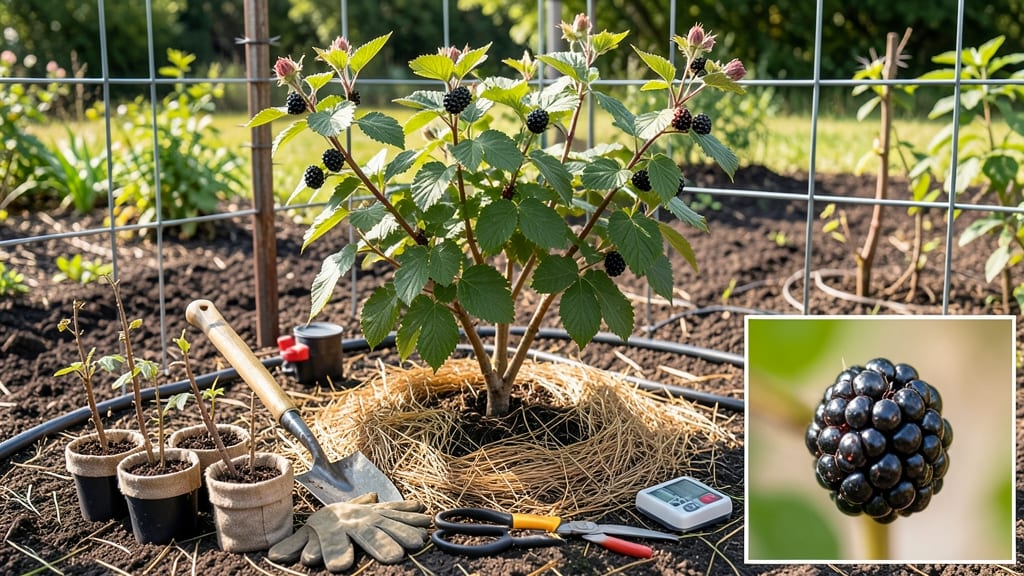
Louisiana blackberry planting timeline: chill-hours breakdown by variety
Planting blackberries in Louisiana isn’t just about timing—it’s about matching your variety to the state’s chill-hour zones. Louisiana spans USDA zones 8a-9b, where winter chill can range from 300 to 1,000+ hours, depending on location.
If you plant the wrong type, you’ll end up with weak canes or no berries at all. Let’s break down the best planting windows for Louisiana’s most popular blackberry varieties and how to align them with your local climate.
Northern Louisiana (e.g., Shreveport, Monroe) typically gets 500-800 chill hours, while southern regions (e.g., New Orleans, Baton Rouge) often see 300-500 hours.
This difference means primocane varieties (like ‘Natchez’ or ‘Arapaho’) thrive in southern areas, while floricane varieties (like ‘Chester’ or ‘Ouachita’) need the extra chill of northern winters. Choosing the right type ensures your plants bloom and fruit reliably.
For most of Louisiana, the ideal planting window is late winter to early spring—specifically February through March. This timing lets canes establish roots before the hot, humid summers arrive.
However, if you’re in a warmer microclimate (like urban New Orleans), you might push planting to early April to avoid heat stress. Always aim to plant 4-6 weeks before your last frost date (usually around February 15 in northern LA and March 1 in southern LA).
| Variety Type | Chill-Hour Needs | Best Planting Month | Fruiting Season | Louisiana Regions |
|---|---|---|---|---|
| Floricane (e.g., 'Chester', 'Ouachita') | 800-1,000+ hours | February-March | Late Spring (May-June) | Northern LA (Shreveport, Monroe) |
| Primocane (e.g., 'Natchez', 'Arapaho') | 300-600 hours | March-April | Summer-Fall (July-Sept) | Southern LA (New Orleans, Baton Rouge) |
| Ever-bearing (e.g., 'Apache', 'Choctaw') | 500-800 hours | February-March | Spring & Fall (May + Sept) | Central LA (Alexandria, Lafayette) |
*Chill hours vary by microclimate—urban areas may need earlier planting.
If you’re unsure about your local chill hours, check with your local Cooperative Extension office or use a chill-hour calculator. For example, the Louisiana State University AgCenter provides free soil and climate data.
In my garden near Baton Rouge, I’ve found that primocane varieties like ‘Natchez’ produce two harvests per year—one in summer and another in fall—because they don’t require as many chill hours. Meanwhile, my neighbor in Shreveport struggles with floricane types unless he plants them in elevated, cooler microclimates.
Another critical factor is bare-root vs. potted plants. Bare-root blackberries are cheaper and more widely available, but they must be planted immediately after purchase to avoid drying out. If you’re buying potted plants, you can plant them anytime during the dormant season (November-March), but early spring is still ideal.
I always soak bare-root canes in water for 2-4 hours before planting to rehydrate them—this gives them a head start in Louisiana’s heavy clay soils.
For urban gardeners, consider container-growing if your yard lacks space. Containers allow you to control soil temperature and drainage better, which is crucial in Louisiana’s hot, humid summers. Just ensure your pots are at least 18 inches deep and have drainage holes.
I’ve grown ‘Arapaho’ blackberries in 5-gallon buckets on my balcony, and they’ve thrived with consistent watering and morning sunlight.
One common mistake is planting blackberries too late in spring. By May, the heat and humidity can stress young canes, leading to poor root establishment. If you miss the February-March window, wait until fall (October-November) for a second planting opportunity.
Fall-planted canes will root in before winter and be ready to fruit the following year. Just be sure to mulch heavily to protect them from freeze-thaw cycles.
Finally, don’t overlook soil temperature. Blackberries won
Step-by-step blackberry planting guide for Louisiana’s humid climate
Now that you’ve picked the right variety and timing, let’s dive into the hands-on process of planting blackberries in Louisiana. The key here is preparing your site properly to handle the state’s heat, humidity, and heavy rainfall.
I’ll walk you through every step—from soil prep to post-planting care—to ensure your blackberries thrive in our unique climate. 🌱
Start by selecting a planting site that gets full sun (at least 6-8 hours daily) and has well-draining soil. Louisiana’s clay-heavy soils often need amending with organic matter like compost or aged manure to improve drainage and fertility.
Test your soil’s pH—blackberries prefer a range of 5.5-6.5. If your soil is too acidic, add lime; if it’s alkaline, use sulfur. 🪴
Once your blackberries are planted, focus on mulching to retain moisture and suppress weeds. Use 3-4 inches of organic mulch like pine straw or wood chips, keeping it 6 inches away from the crown to prevent rot.
Louisiana’s summer heat can dry out soil quickly, so water deeply 2-3 times per week during the first growing season. 💧
Finally, protect your young plants from pests like spotted wing drosophila and Japanese beetles, which are common in Louisiana. Use row covers early in the season and apply organic insecticides like neem oil if needed.
Prune canes in late winter to remove dead or weak growth, ensuring your blackberries stay healthy and productive year after year. ✂️