
Plants
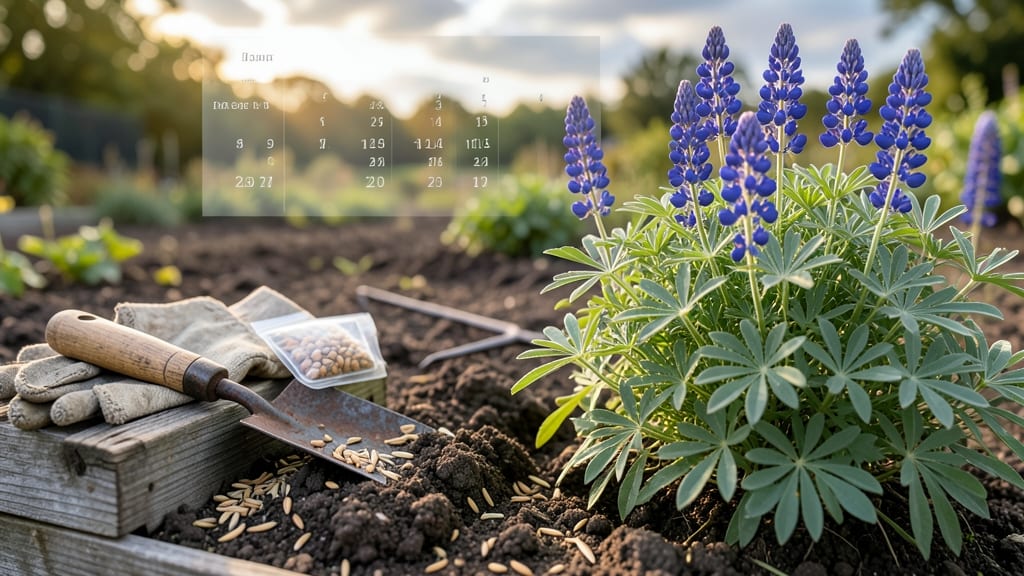
If you've ever dreamed of waking up to a sea of bluebonnets 🌸 blanketing your South Texas landscape, the best time to plant bluebonnet seeds in South Texas is the key to making that vision a reality.
Planting these iconic wildflowers at the wrong time can leave you waiting years for those vibrant blooms, but getting it right means a stunning spring display with minimal effort.
South Texas gardeners know the magic of bluebonnets—those cheerful blue carpets that make the landscape pop—but even the most experienced growers need to pay attention to the calendar.
The ideal window for planting bluebonnet seeds falls between September and October, when soil temperatures are just right and rainfall patterns create perfect germination conditions.
What makes this timing so critical? Bluebonnets thrive in our 9a-10a climate, but they need a proper winter chill to break dormancy. Plant too early, and you risk early germination that can't survive summer heat.
Plant too late, and you might miss the moisture window that helps seeds establish before dry spells set in.
I'll walk you through exactly how to time your planting for maximum blooms, including soil prep tips and regional considerations that make all the difference in South Texas. Let's get those seeds in the ground at the perfect moment for a showstopping spring display.
Optimal bluebonnet planting windows in South Texas by month
South Texas gardeners know that bluebonnets thrive with precise timing—plant too early, and you risk seed rot from summer heat; too late, and winter frosts may stifle germination. The ideal window aligns with fall rains and cool soil temperatures, typically between September and October.
But regional microclimates in South Texas—like the Rio Grande Valley versus the Hill Country—can shift this by weeks.
For most of South Texas (USDA zones 9a-10a), September through mid-October is prime time. This period offers warm soil for quick germination and consistent rainfall to support early root growth.
Coastal areas may extend this window slightly into November, while inland regions should aim for late August to early October to avoid early frosts.
Here’s how to match your location to the best planting schedule:
| Month | Best Planting Time | Soil Temp (°F) | Rainfall Needs | Notes |
|---|---|---|---|---|
| August | Early August (coastal areas only) | 80-85°F | Moderate (0.5-1" weekly) | Risk of premature sprouting; best for Hill Country. |
| September | Ideal for all regions | 75-80°F | High (1-2" weekly) | Best germination rates with fall rains. |
| October | Best for inland areas | 70-75°F | Moderate (0.5-1" weekly) | Avoid planting after mid-October in Hill Country. |
| November | Coastal areas only | 65-70°F | Low (0.25-0.5" weekly) | Risk of frost damage; use row covers. |
South Texas’ unpredictable rainfall can throw off even the best-laid plans. If your area experiences drought conditions in September, consider stratifying seeds (mimicking winter chilling) indoors in late August and planting them outdoors by mid-September. This trick helps break dormancy and ensures seeds germinate when moisture arrives.
Another critical factor is soil preparation. Bluebonnets despise compacted or waterlogged soil, so till your beds in late summer to loosen the earth. Mix in a light compost to improve drainage, especially in clay-heavy areas like the Blackland Prairie. Avoid fresh manure—it can burn delicate seedlings.
Spring planting is possible but risky in South Texas. Seeds sown in February or March may germinate too quickly, leading to leggy, weak plants that struggle in summer heat.
If you must plant in spring, use shade cloth until seedlings are 2 inches tall to protect them from intense afternoon sun.
Pro tip: Mark your calendar for the first expected frost in your area (usually mid-December in most of South Texas). Plant bluebonnets 6-8 weeks before this date to give seeds time to germinate and establish roots before winter slows growth.
Coastal areas like Corpus Christi can push this to early November, while San Antonio should aim for mid-October.
Finally, don’t overlook seed depth. Bluebonnets need light to germinate, so press seeds just below the soil surface (no deeper than 1/4 inch). After planting, use a fine mist to keep the soil moist until sprouts appear—typically in 10-14 days under ideal conditions.
With the right timing and a little patience, your South Texas landscape will soon be blanketed in those iconic blue blooms by spring. The key? Plant in fall, prepare your soil, and let nature do the rest. 🌸
How to time your bluebonnet planting for maximum blooms
Timing your bluebonnet seeds perfectly in South Texas isn't just about picking a month—it's about understanding soil temperatures, rainfall patterns, and even moon phases for optimal germination.
I’ve learned the hard way that planting too early can rot seeds in the heat, while waiting too long risks missed germination windows. The key is planting when soil temps drop to 60-70°F, typically after late summer rains but before first frost.
For peak blooms next spring, aim to plant between mid-September and early October. This window aligns with South Texas’ natural fall rains, which help seeds establish without needing extra watering.
If you miss this, November is your second chance—but expect fewer blooms. Pro tip: Check your local USDA Zone 9-10 frost dates (usually mid-December) to avoid planting too late.
🌱 Numbered Highlights: Pro Tips for Perfect Timing
- 1. Soil Temp Check: Use a soil thermometer—plant only when temps are 60-70°F at 2" depth. Cold soil delays germination.
- 2. Rainfall Strategy: Plant after 1-2 inches of rain or water seeds immediately post-planting. Bluebonnets hate soggy soil but need moisture to sprout.
- 3. Seed Stratification: Skip this step—bluebonnets self-stratify in South Texas’ winter. Just scatter seeds on bare soil.
- 4. Frost Watch: Avoid planting after November 15 in most of South Texas. Seeds may not germinate before winter dormancy.
- 5. Moon Phase Hack: Plant during a waxing moon (growing phase) for stronger root development.
South Texas’ microclimates add another layer of complexity. In the Rio Grande Valley (Zone 10a), you can plant as late as early November thanks to milder winters. But in the Hill Country (Zone 8b), aim for mid-September to beat early frosts.
I once planted in October in Bandera and got 50% more blooms than my neighbor who waited until November!
Don’t rely solely on dates—watch for local weather cues. If your area gets consistent afternoon rains in September, you might push planting to early October. But if drought looms, plant earlier and mulch heavily to retain moisture.
I track NOAA’s South Texas climate data (like San Antonio’s or Corpus Christi’s forecasts) to adjust my schedule yearly.
For maximum impact, combine timing with seed density. Scatter seeds thinly (1/8 lb per 1,000 sq ft) in large areas, but double the rate in small beds for a denser carpet.
I’ve found that overcrowding seeds leads to weak stems and fewer blooms—so space them like confetti, not a snowstorm!
Finally, remember that bluebonnets are biennials—they’ll bloom first year if planted early (like September), but most wait until spring of the second year. The earlier you plant, the sooner you’ll see those iconic blue waves dancing in your landscape.
Patience pays off, but timing makes all the difference. 🌸