
Plants
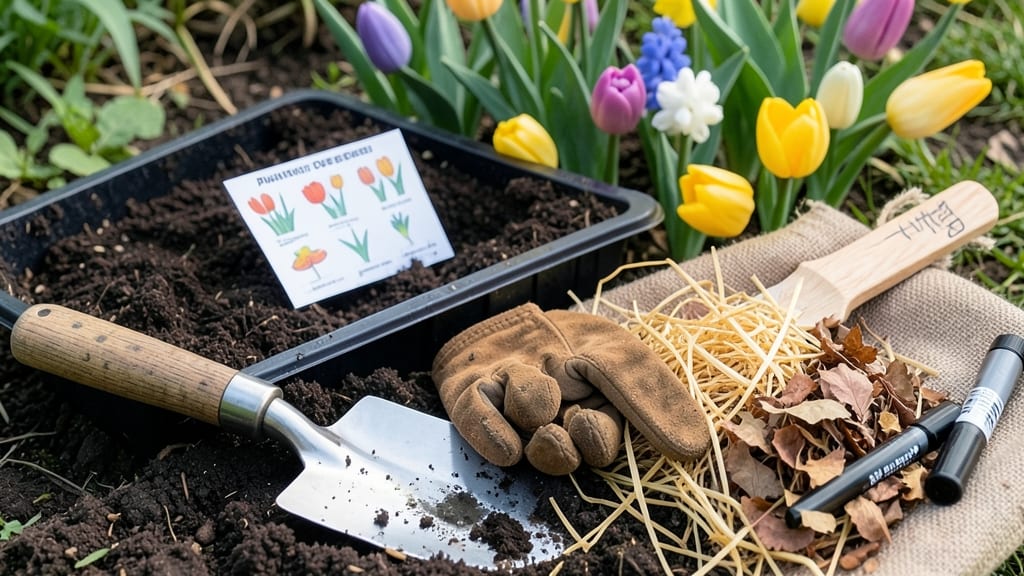
Best months to plant bulbs in Minnesota’s frost zones (with exact dates)
Minnesota’s Zone 3-5 climate demands precise timing for bulb planting—too early and they’ll rot, too late and they won’t establish roots before winter. The ideal window is 4-6 weeks before ground freezes, typically between September and October for fall-planted varieties like tulips and daffodils.
For spring planting (like snowdrops), aim for March to early April once soil temperatures hit 40°F.
Northern Minnesota (Zones 3-4) has earlier frost dates (late September to early October), while southern areas (Zone 5) can plant until mid-October. Always check your last frost date—Minnesota’s can vary by 2-3 weeks annually. Use the USDA Plant Hardiness Zone Map to confirm your exact location’s risk.
For spring-flowering bulbs (tulips, hyacinths), fall planting is critical—they need 6-8 weeks of chilling to bloom. Summer-blooming bulbs (like dahlias) go in late spring (May) after all frost risk passes. Perennial bulbs (alliums, fritillaries) often tolerate later fall planting due to their hardiness.
Soil temperature is more critical than air temperature. Use a soil thermometer to confirm 50°F+ for spring planting or 60°F+ for fall planting. Sandy soils cool faster—plant 2-3 weeks earlier than clay-heavy areas.
If your garden stays wet into fall, delay planting until soil drains better to avoid rot.
Minnesota’s microclimates matter—urban areas stay warmer than rural zones, while north-facing slopes freeze earlier. Test a small batch of bulbs in a protected spot (like near a south-facing wall) if you’re unsure about your zone’s extremes. Mulch with 2-3 inches of straw after planting to insulate roots through winter.
For late-summer bloomers (like gladiolus or canna lilies), wait until after Memorial Day when soil is consistently 60°F+. These tender bulbs won’t survive Minnesota winters and must be dug up in fall. Label your bulbs with planting dates—Minnesota’s short growing season means timing is everything!
Pro tip: Plant daffodils and alliums first—their toxic properties deter squirrels, protecting other bulbs. If squirrels are a problem, use wire cages or plant in containers buried in the ground. Fertilize lightly in spring (March) with 5-10-10 to encourage strong blooms without overfeeding.
Remember, Minnesota’s bulbs thrive with patience.
Unlike annuals, many perennials (like tulips) take 2-3 years to reach full bloom. Don’t dig them up annually—most varieties multiply and return year after year with proper care. Deadhead spent blooms but leave foliage until it yellows to feed the bulb for next season.
🌱✂️🌡️
Best months to plant bulbs in Minnesota’s frost zones (with exact dates)
Minnesota’s USDA Zones 3-5 demand precision when planting bulbs—timing can mean the difference between vibrant spring blooms and frozen failures. Most gardeners focus on fall planting for spring-flowering varieties, but late-winter planting also works for hardy types.
The key is aligning with soil temperatures and frost dates, which vary by region.
In southern Minnesota (Zone 5a), aim to plant bulbs by mid-October, giving roots time to establish before winter. Meanwhile, northern Minnesota (Zone 3b) requires planting by early October to avoid early freezes. Spring planting is also viable in March-April, but bulbs need consistent moisture until roots form.
Here’s a quick reference for optimal planting windows based on Minnesota’s microclimates:
| Bulb Type | Planting Window | Depth | Spacing |
|---|---|---|---|
| Daffodils | September-October | 6-8 inches | 4-6 inches apart |
| Tulips | September-October | 6-8 inches | 4-6 inches apart |
| Hyacinths | September-October | 6 inches | 4-5 inches apart |
| Crocus | September-October | 3-4 inches | 2-3 inches apart |
| Alliums | March-April | 8-10 inches | 6-8 inches apart |
For fall planting, prioritize well-draining soil—Minnesota’s clay-heavy soils can trap moisture, leading to bulb rot. Amend with compost or sand if needed, and avoid planting in low-lying areas where frost lingers. Mulch after planting with 2-3 inches of straw or leaves to insulate bulbs through winter.
Spring planting is ideal for late-blooming varieties like alliums or Siberian squill, which tolerate Minnesota’s short growing season. Plant as soon as the soil is workable (3-4 inches deep) and keep the area moist until roots establish (usually 4-6 weeks).
Pro tip: Use a soil thermometer to confirm 50°F soil temps before planting—this signals ideal root growth conditions. In Zone 4-5, this typically occurs in late September.
Timing isn’t just about months—it’s about weather patterns. Check your local MN State Climatology Office for frost predictions, and adjust planting dates by 1-2 weeks if early freezes are forecasted.
With the right timing, your bulbs will reward you with years of reliable blooms, even in Minnesota’s toughest winters. 🌷