
Plants
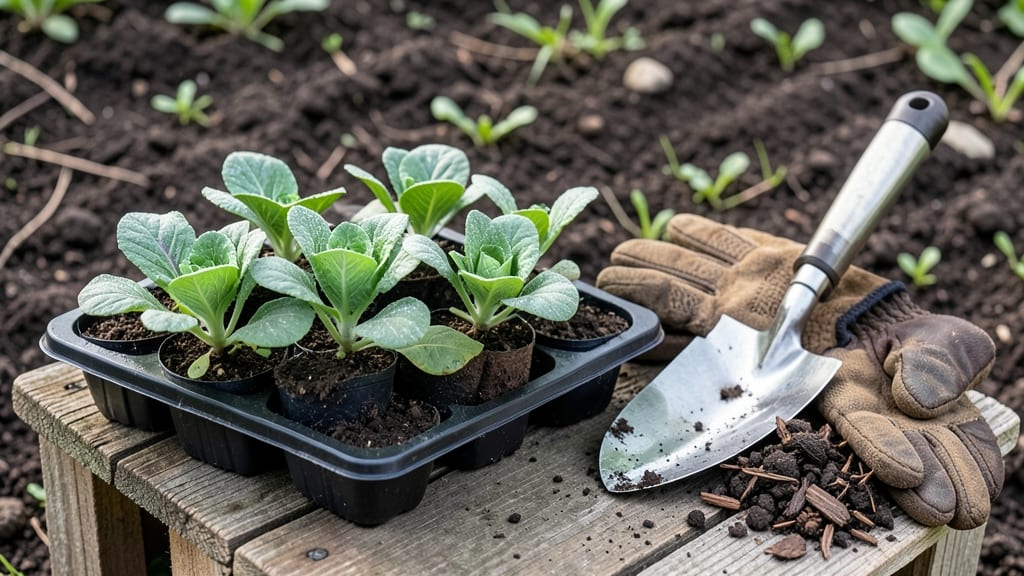
Timing your 🥬 cabbage planting in Utah isn’t just about following a calendar—it’s about outsmarting the state’s unpredictable frost pockets and heat spikes. Get the dates wrong, and you’ll either lose seedlings to late snow or watch your heads bolt before harvest.
The key? Planting 4-6 weeks before your last frost, but with Utah’s USDA zones 5-8 throwing curveballs, that window shifts dramatically from St. George’s desert heat to Park City’s alpine chill.
Most Utah gardeners swear by early spring (March–April) or late summer (August–September) plantings, but your exact timing depends on elevation and microclimates. Skip the guesswork with zone-specific frost charts that reveal why planting in February might work in Salt Lake City but spells disaster in Logan.
I’ll break down the perfect windows—plus how to stretch your season with row covers and cold frames—so you avoid the two biggest mistakes: planting too soon in cold soil or too late for summer’s sweltering finish.
Here’s the game-changer: cabbage thrives in Utah’s cool seasons, but only if you respect its 70-day growth cycle. That means aiming for harvests by late May or October, when temperatures cooperate.
Whether you’re a high-desert gardener or a valley dweller, these strategies will help you dodge frost, beat the heat, and enjoy crisp, homegrown 🥬 all season long.
Ready to stop playing roulette with your cabbage? Let’s dive into the exact dates, variety picks, and pro tips that’ll turn your Utah garden into a zero-frost harvest machine. No more wasted seedlings—just reliable, flavorful heads from seed to table.
Utah cabbage planting dates by microclimate Zone (with frost risk charts)
Utah’s USDA zones 5-8 create wildly different planting conditions. In Salt Lake City (Zone 6), your last frost typically hits around April 15, while St. George (Zone 8) gardeners enjoy frost-free soil by March 1.
High-altitude areas like Park City (Zone 4) face later frosts—sometimes as late as May 1. These variations mean your planting window could shift by 6 weeks depending on elevation.
For spring cabbage, aim to plant 4-6 weeks before your last frost date. In low-elevation desert areas, that’s as early as February 15, while mountain gardeners should wait until April 1.
The key is avoiding cold soil, which stunts growth. Use a soil thermometer—cabbage thrives when soil reaches 40°F (4°C).
Utah’s summer heat (especially in St. George) can cause cabbage to bolt prematurely. For fall planting, seed in late July to early August to harvest before first frost. In cooler zones like Ogden, you can push planting to September 1 with row covers.
Here’s how Utah’s microclimates affect planting:
If you’re in a transition zone (like Spanish Fork between Zones 6-7), err on the side of later planting. Cold pockets in valleys can delay soil warming by 1-2 weeks. For container gardening, use black pots to absorb heat and plant 2 weeks earlier than ground plantings.
Pro tip: Check the National Weather Service’s Utah frost forecast in early spring. Areas like Cache Valley often see unpredictable late frosts—wait until 3 consecutive days above 40°F (4°C) before planting.
For high-altitude gardens, consider transplanting seedlings instead of direct sowing. Seedlings tolerate cooler soil better and give you a 2-week head start. Start seeds indoors 6-8 weeks before your last frost using a grow light to prevent leggy seedlings.
Remember: Cabbage needs 60-80 days to mature. If you plant too late in spring, your heads won’t reach harvest size before summer heat sets in. Fall plantings should aim for a 90-day maturity to avoid frost damage.
🌱
How to extend Utah’s cabbage growing season (cold frames, row covers & succession planting)
Utah’s short growing season and unpredictable frost dates can limit your cabbage harvest, but with the right strategies, you can extend planting windows and enjoy fresh cabbage year-round.
Cold frames and row covers are game-changers for high-altitude areas like Park City, while succession planting ensures continuous harvests in desert climates like St. George.
For early spring planting, use DIY cold frames or floating row covers to protect seedlings from late frosts. These methods can push your planting window 2-3 weeks earlier than the traditional last-frost date. In late summer, row covers also shield young plants from heat stress that triggers bolting.
Here’s how I’ve successfully extended my Utah cabbage season using these techniques:
Cold Frames: Build a simple frame with Plexiglas or plastic sheeting and bury the edges 6 inches deep. This traps heat and can start seedlings 4-6 weeks before the last frost date.
Row Covers: Use floating fabric covers (like Reemay) to protect plants from light frosts (down to 25°F) and extend harvests into late fall.
Succession Planting: Sow seeds every 2-3 weeks from March to June for a staggered harvest. In high-desert areas, focus on fast-maturing varieties like ‘Early Jersey Wakefield’ (50 days).
Windbreaks: In exposed desert gardens, plant cabbage near windbreaks (like cornstalks or shrubs) to reduce stress and improve survival rates.
For late-season planting, aim for August 1–15 in most of Utah, using heat-tolerant varieties like ‘Golden Acre’ to avoid bolting. In higher elevations (USDA Zone 5-6), you can push this to late August with row covers.
Pro tip: Mulch heavily with straw or leaves to insulate roots and retain moisture. This is especially critical in St. George’s dry climate, where soil dries out quickly. Combine this with drip irrigation for best results.
With these techniques, I’ve harvested cabbage as late as November in Salt Lake City and as early as April in St. George. The key is monitoring microclimates—what works in Park City may fail in Provo, so adjust timing based on your local frost data.