
Plants
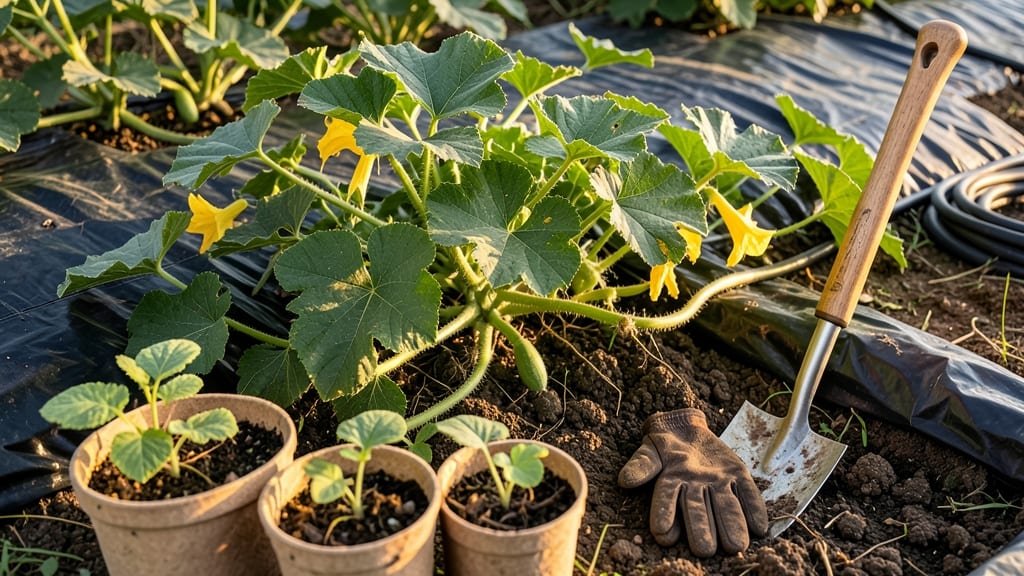
If you’ve ever tried planting cantaloupe in Arizona only to watch your seeds sit stubbornly in cold soil, you’re not alone. The perfect timing for planting 🍈 isn’t just about the calendar—it’s about tricking Mother Nature to give your seeds the warm start they crave.
Here’s the secret: Arizona’s Zone 9b climate means you can’t afford to wait too long, but planting too early risks frost damage or slow germination. The key is working with your soil’s natural rhythms—using simple tricks to warm it up fast and set your cantaloupes up for success.
In this guide, I’ll show you exactly when to plant for maximum yield, plus soil-warming hacks that cut germination time in half. Whether you’re a first-time gardener or a seasoned grower, these tips will help you beat Arizona’s unpredictable springs and harvest sweeter melons by summer.
Ready to turn your cantaloupe dreams into reality? Let’s get those seeds in the ground the right way—the first time.
Best planting times for cantaloupe in Arizona’s climate zones
Arizona’s diverse climate zones—from the low desert’s 110°F summers to the high desert’s cooler nights—create unique challenges for cantaloupe growers. Unlike most crops, cantaloupes thrive in heat but refuse to germinate in cold soil.
This means timing your planting to match Arizona’s soil temperature trends is critical for success.
In low desert areas (Phoenix, Tucson, Yuma), where frost is rare and summer heat arrives early, you can start cantaloupe seeds as early as mid-February if you use soil-warming techniques.
However, most gardeners wait until late March to early April when daytime highs consistently reach the 75–85°F range needed for germination.
For high desert regions (Flagstaff, Prescott, Sedona), planting windows shift later due to cooler nights. Here, aim for mid-April to early May when soil temperatures stabilize above 65°F.
The transitional central Arizona (Mesa, Tempe) falls somewhere in between, with ideal planting dates spanning late March through early April.
🌱Pro Tip: Use a soil thermometer to confirm temperatures—cantaloupe seeds won’t sprout below 60°F, and germination slows dramatically under 70°F.
🌱 Arizona Cantaloupe Planting Guide by Climate Zone
| Zone | Best Planting Window | Soil Temp Requirement | Key Consideration |
|---|---|---|---|
| Low Desert (10a-11) | Mid-February to early April | 70–85°F | Early heat arrival; use mulch to retain moisture |
| Transitional (9a-9b) | Late March to early April | 65–75°F | Variable spring temps; monitor weather forecasts |
| High Desert (7a-9a) | Mid-April to early May | 60–70°F | Cooler nights; extend season with row covers |
⚠️ Warning: Planting too early in cool soil leads to rot and poor germination. Always wait for stable 70°F+ soil temps.
Arizona’s late summer heat also allows for a second planting window in July for high desert areas or August for low desert. This "fall crop" benefits from cooler nights and can produce sweeter melons if planted 60 days before first frost (though frost is rare in most zones).
🌿Regional Tip: In Tucson’s unique microclimate, gardeners often plant cantaloupe twice yearly: once in March for spring harvest and again in July for fall harvest. This "double-crop" strategy maximizes yield in Arizona’s long growing season.
When planning your schedule, account for cantaloupe’s 75–90 day maturity. Starting seeds in March typically means harvests by late May to July, while July plantings yield fruit in September to October. Use this timeline to align your planting with your family’s peak cantaloupe cravings!
☀️Heat Tolerance Note: Cantaloupes love Arizona’s summer heat but need consistent moisture during fruit development. In 100°F+ temps, increase watering to daily early morning sessions to prevent blossom drop and cracked fruit.
For container growers, extend your planting window by 2–3 weeks using black plastic-lined pots or heat-absorbing bricks buried in the soil mix. Containers warm up faster than ground soil, giving you an edge in Arizona’s unpredictable springs.
Soil-warming tricks to speed up cantaloupe germination in cool springs
Arizona’s early springs can be deceptive—cool mornings and lingering frost risks slow cantaloupe germination. But with the right soil-warming tricks, you can jumpstart growth by 5–10°F above ambient temperatures. These methods are especially critical for gardeners in Zone 7a–9a, where nighttime temps often dip below 60°F.
Cantaloupe seeds need soil temps of at least 70°F to germinate reliably. Without intervention, your seeds might rot in the ground or take weeks to sprout. The key is combining passive heat retention with active warming techniques to create the ideal microclimate for your seedlings.
Here’s how I’ve successfully used these tricks in my own Arizona garden—even in March, when mornings are still chilly:
🌱 Pro Tip: 3 Soil-Warming Hacks for Faster Cantaloupe Germination
- Black Plastic Mulch: Lay down 1–2 mil black plastic 1–2 weeks before planting. It absorbs sunlight and raises soil temps by 10–15°F. Cut X-shaped holes for seeds to prevent overheating.
- Row Covers: Use floating row covers or agribon fabric to trap heat during the day and insulate at night. Secure edges with bricks or soil to prevent wind damage.
- DIY Heat Sinks: Bury black-painted bricks or cinder blocks near seed rows. They absorb heat during the day and radiate it back into the soil overnight.
⏰ Timing Tip: Start warming soil 2 weeks before planting to build up heat gradually.
For gardeners in low desert zones (10a–11), where soil warms faster, focus on shade cloth during the hottest part of the day to prevent seed scorching. Cantaloupes thrive in 80–90°F soil temps, but seeds can’t handle sudden spikes—gradual warming is key.
Monitor soil temps with a soil thermometer (insert 2 inches deep) to confirm you’ve reached the 70°F threshold before planting. If temps drop unexpectedly, extend row covers or add a mini greenhouse over seed trays for extra protection.
Once your cantaloupe seeds sprout, remove row covers during the day to prevent fungal diseases from excess humidity. Keep them in place at night until soil temps stabilize above 65°F consistently.
With these tricks, I’ve seen cantaloupe germination improve from 10–14 days to just 5–7 days—giving your vines a head start in Arizona’s competitive growing season. 🌱