
Plants
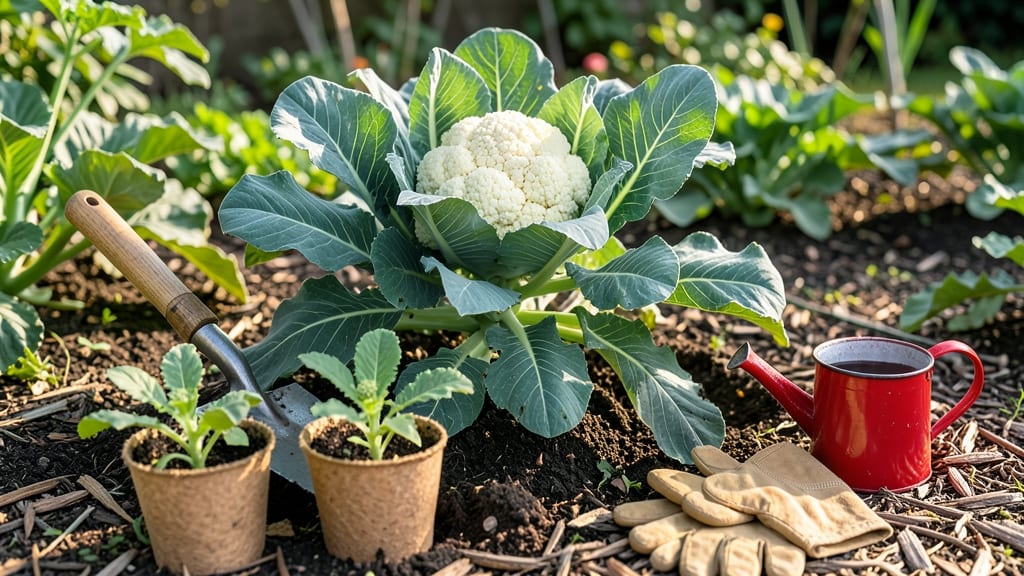
Optimal planting windows for Zone 9b cauliflower success
Zone 9b’s hot summers and mild winters create a unique challenge for cauliflower growers. Unlike cooler zones, you can’t plant in spring—heat stress will cause your plants to bolt before forming heads. Instead, focus on fall and winter planting when temperatures stay between 50°F and 75°F.
The key is timing: plant 8-10 weeks before your first frost (or when daytime highs drop below 80°F). In most of Zone 9b, this means late October to early December for direct sowing or transplants. Coastal areas like San Diego can extend this slightly later due to milder microclimates.
| Planting Stage | Ideal Months | Temperature Range | Days to Maturity |
|---|---|---|---|
| Direct Sowing | Late October - Early November | 50°F - 70°F | 75-100 days |
| Transplanting | September - Early December | 55°F - 75°F | 60-80 days |
| Late Summer Transplant | August (with shade) | 60°F - 75°F (evenings) | 90-110 days |
📅 Pro Tip: Use a shade cloth (30-50%) if transplanting in late summer to protect young plants from heat stress.
For a spring harvest, aim to plant in late September—just as summer heat begins to wane. This gives your cauliflower enough time to establish roots before cooler weather arrives.
If you’re in a high-desert microclimate (like Phoenix), you might even squeeze in a winter harvest by planting in December.
Calculate your exact window using heat degree days (HDD). Cauliflower needs 1,000-1,500 HDD to mature. Use a local weather station or online calculator to track cumulative cooling degrees. For example, Los Angeles hits this threshold around mid-November, while Tucson may need to wait until December.
Succession planting works in Zone 9b! Sow new seeds every 2-3 weeks from October through December to ensure a steady supply. Just be sure to harden off seedlings for 7-10 days before transplanting to avoid shock.
If you miss the fall window, don’t despair—winter planting can still yield results. In January or February, plant heat-tolerant varieties like 'Graffiti' or 'Purple of Sicily' for a spring harvest. Just monitor for bolting triggers like sudden temperature spikes.
Always check your local frost dates, even in Zone 9b. While rare, light frosts can damage young plants. Use row covers or move containers indoors if nights dip below 40°F. Coastal areas are safer, but inland valleys like the Coachella Valley may need extra protection.
Remember: soil temperature matters just as much as air temperature. Aim for 60°F+ soil before planting. Use a soil thermometer to avoid cold soil delays, especially in high-elevation Zone 9b areas like Santa Barbara.
With the right timing, your Zone 9b cauliflower will thrive—producing tight, flavorful heads that put store-bought to shame. Start planning now, and you’ll be harvesting by spring! 🌱
Optimal planting windows for Zone 9b cauliflower success
Zone 9b’s mild winters and hot summers make cauliflower timing critical. The key is planting when daytime temps stay between 50-75°F—too warm, and your plants bolt; too cool, and growth stalls. For most of Zone 9b, this means late October through early December for winter harvests.
If you’re aiming for a spring harvest, start seeds indoors in August and transplant late September to give plants time to establish before winter. Coastal areas like San Diego can push planting slightly later (November), while inland deserts like Phoenix should plant by mid-October to avoid heat stress.
📅 Zone 9b Cauliflower Planting Timeline
| Stage | Action | Ideal Temp Range |
|---|---|---|
| Seed Starting (Indoors) | 8-10 weeks before transplant | 65-75°F |
| Transplant Outdoors | Late Oct - Early Dec | 50-70°F |
| Harvest Window | March - May | 55-75°F |
| Succession Planting | Every 2-3 weeks (Oct-Nov) | 50-65°F |
💡 Pro Tip: Use a shade cloth (30-50%) if transplanting in late fall to protect from sunburn during cooler days.
For extended harvests, practice succession planting every 2-3 weeks from October through November. This ensures a steady supply of fresh curds from March through May. Space plants 18-24 inches apart to allow airflow and prevent disease.
If you missed the fall window, don’t despair—late-summer transplanting (August) can work for heat-tolerant varieties like 'Snowball Y Improved'. Just be prepared to provide afternoon shade and consistent watering to combat bolting.
Always check your local heat degree days (HDD) to fine-tune timing. Most Zone 9b areas accumulate 1,000-1,500 HDD by December—aim to plant when HDD drops below 500 for best results.