
Plants
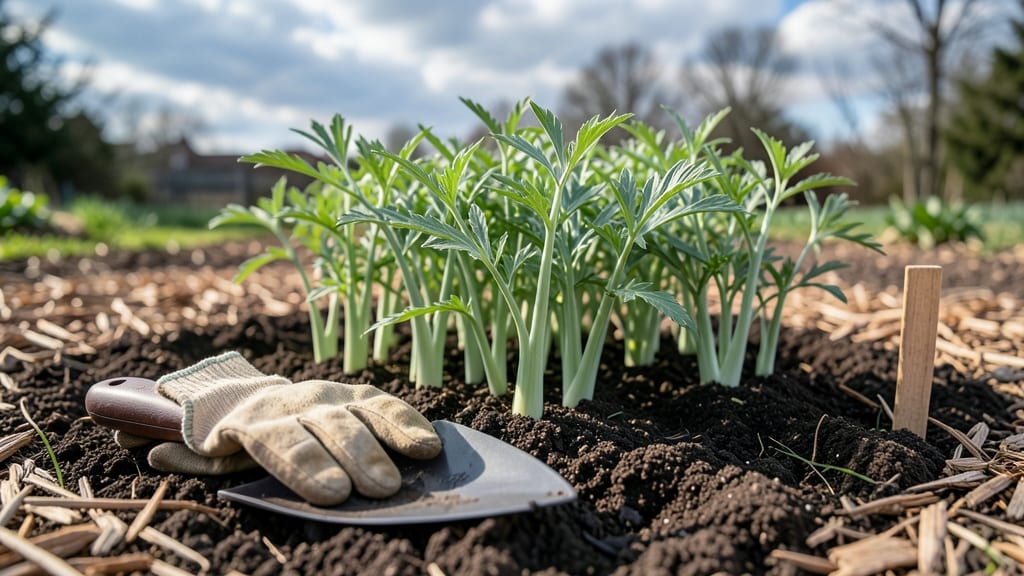
If you’ve ever bitten into a homegrown stalk of celery 🥬 and wondered why store-bought versions can’t compare, the secret starts with perfect planting timing in Zone 6. Planting celery at the wrong moment—whether too early or too late—can turn your crisp, flavorful harvest into tough, bitter disappointment.
In Zone 6 (where last frosts typically hit around mid-April), celery thrives in cool weather but bolts or struggles when temperatures creep too high. The key is planting 10-12 weeks before your last frost for spring crops or in late summer to avoid summer heat.
Let’s break down the exact windows and pro tips to grow celery that rivals your favorite grocery store variety—only better.
Whether you’re a first-time gardener or a seasoned grower, getting the timing right makes all the difference. We’ll cover when to start seeds indoors, how to protect young plants from late frosts, and even how to extend your harvest into fall. Ready to grow celery that’s worth bragging about?
From soil prep to harvest, these strategies will ensure your celery plants stay cool, crisp, and productive—no matter what Zone 6 throws their way. Let’s get those stalks growing like a pro.
Optimal planting windows for celery in Zone 6: weeks before last frost
Celery is a cool-season crop that bolts—or goes to seed—when exposed to heat or drought. In Zone 6, where last frost typically hits around April 15, timing your plantings correctly is key to avoiding bitter, tough stalks.
The sweet spot? Plant celery 8–12 weeks before your last frost for spring harvests or 10–12 weeks before the first frost (around September 15) for fall harvests.
For most of Zone 6, this means starting seeds indoors by late February or sowing directly in early March.
If you miss spring, your next chance is late July to early August for a fall harvest before winter sets in. Direct sowing is possible, but transplants often yield better results because celery seedlings are delicate and slow to germinate.
Soil temperature is critical: celery seeds won’t sprout until soil reaches 50–60°F. In Zone 6, this usually aligns with late March to early April for spring plantings.
Use a soil thermometer to confirm—cold soil delays germination and invites rot. If your soil is still chilly, opt for transplants instead of direct sowing.
Here’s the golden rule: Never plant celery when daytime highs exceed 75°F. Heat stress causes celery to bolt prematurely, turning your crisp stalks into woody, flavorless sticks. In Zone 6, this means avoiding spring plantings after mid-April and fall plantings after mid-August.
| Planting Method | Best Time (Zone 6) | Soil Temp Requirement | Days to Maturity | Pros | Cons |
|---|---|---|---|---|---|
| Direct Sowing | Early March (spring) or late July (fall) | 50–60°F | 120–150 days | Cheaper, no transplant shock | Slow germination, risk of rot |
| Transplants | Late February (indoors) or early April (outdoors) | 45–55°F (warmer for growth) | 100–130 days | Faster growth, higher yield | More expensive, transplant shock risk |
If you’re direct sowing, scatter seeds ¼-inch deep in rows spaced 12–18 inches apart. Thin seedlings to 6–8 inches apart once they’re 2–3 inches tall—this prevents overcrowding and improves airflow, reducing disease risk.
For transplants, harden off seedlings for 7–10 days before moving them outdoors to avoid shock.
Succession planting is your secret weapon for a continuous celery supply. In Zone 6, sow new seeds every 2–3 weeks from March to May for spring harvests, and again from July to August for fall. This ensures you’re always harvesting fresh stalks without a 6-month gap between crops.
Watch for bolting signs: elongated stalks, yellowing leaves, or flower stalks. If you see these, harvest immediately or pull the plant—bolted celery is inedible.
In Zone 6, bolting is most likely if you plant too late in spring or too early in fall, so stick to the 8–12 week window before frost dates.
After planting, mulch with 2–3 inches of straw or shredded leaves to retain moisture and suppress weeds. Celery is a heavy drinker, so keep soil consistently moist—never let it dry out.
Water at the base of plants in the morning to prevent fungal diseases like early blight, which thrives in damp foliage.
With the right timing, your Zone 6 garden can produce crisp, flavorful celery from late summer to fall. Start with the 8–12 week rule, monitor soil temps, and don’t fear succession planting—it’s the key to a year-round celery harvest without the bitterness! 🥬
Optimal planting windows for celery in Zone 6: weeks before last frost
Celery in Zone 6 demands precise timing—plant too early, and frost will stunt growth; too late, and summer heat sends it bolting.
The ideal windows are 4-6 weeks before your last frost date (typically mid-March to early April) for spring, and 8-10 weeks before first frost (late July to early August) for fall. In Zone 6, this usually means March 15-April 15 for spring and July 15-August 15 for fall.
For direct sowing, wait until soil temperatures hit 45°F (7°C)—cold soil slows germination. If you’re transplanting seedlings, start them indoors 10-12 weeks before the last frost, then harden off for 7-10 days before moving outdoors.
Seedlings handle transplanting better than direct-sown celery, which can struggle with uneven emergence.
Here’s why timing matters: Celery bolts (goes to seed) when days get too long (14+ hours of daylight) or temperatures exceed 80°F (27°C). Planting in late spring or summer risks this—your fall crop is your safety net for avoiding summer heat.
| Planting Method | Best Time (Zone 6) | Soil Temp Requirement | Days to Maturity |
|---|---|---|---|
| Direct Sowing | 4-6 weeks before last frost (March 15-April 15) | 45°F (7°C) minimum | 120-150 days |
| Transplanting | After last frost (April 15-May 1) | 50°F (10°C) minimum | 100-130 days |
| Fall Planting | 8-10 weeks before first frost (July 15-August 15) | 60°F (15°C) ideal | 90-120 days |
*Transplanting yields faster results but requires sturdy seedlings. Fall crops mature quicker due to cooler temps.
Pro tip: Use a soil thermometer to confirm temps—celery seeds won’t sprout below 45°F (7°C). If your soil is colder, wait or use a seedling heat mat for direct sowing. For transplants, choose self-blanching varieties like ‘Golden Self-Blanching’ to simplify care and improve flavor.
After planting, mulch with straw or shredded leaves to retain moisture and suppress weeds. Celery’s shallow roots need consistent moisture—let the soil dry slightly between waterings to prevent rot, but never let it crust over.
A drip irrigation system works best to avoid wetting the leaves, which can cause disease.
Watch for bolting signs like tall, flower-stalk growth or bitter-tasting leaves. If this happens, harvest immediately or pull the plant—bolted celery won’t recover. In Zone 6, your fall crop is your best bet for avoiding this, as cooler temps keep plants happy until frost.