
Plants
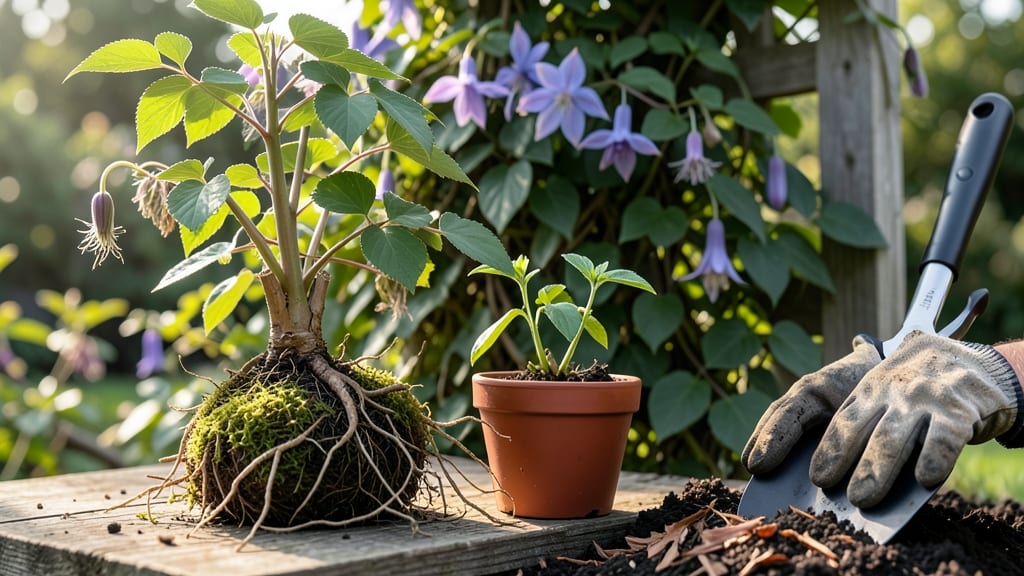
Colorado’s frost zones and ideal planting windows by region
Colorado’s USDA hardiness zones 4-7 create a complex puzzle for clematis growers. Unlike coastal regions, our frost dates shift dramatically by just 1,000 feet in elevation.
For example, Denver (zone 5b) has 150 frost-free days, while Durango (zone 6a) enjoys 180 days—a critical difference for establishing clematis roots before winter.
Most Colorado gardeners succeed with fall planting (September-October) because the soil stays warm enough for root growth while avoiding late-spring frosts that can scorch tender new shoots. However, high-altitude areas like Colorado Springs and the Front Range often prefer early spring planting (April-May) to align with their shorter growing seasons.
Here’s how to match your region’s microclimate to the perfect planting window—plus which clematis varieties handle Colorado’s extremes best:
For urban Denver gardeners, I recommend testing soil temperature with a soil thermometer—aim for 60°F+ at 4 inches deep before planting.
If your area experiences unpredictable late frosts (like those in zone 5b), opt for spring planting and use frost cloth for the first 2 weeks to protect young vines.
In rural valleys, where nights are cooler but days warm quickly, fall planting gives roots time to establish before winter. The key is to plant 6-8 weeks before your first frost date—for most of Colorado, that’s late September.
Use organic mulch (4-6 inches) to insulate roots and retain moisture during our dry falls.
Mountain gardeners face the toughest challenge: short growing seasons and cold soil. Here, I’ve had success with container-grown clematis planted in early May, using black plastic mulch to warm the soil faster. Varieties like ‘Freckles’ (zone 4 hardy) are my top pick for elevations above 7,000 feet.
Pro tip: Mark your frost dates using the National Weather Service’s frost calendar for your specific ZIP code. Colorado’s microclimates can vary by just a few miles—for example, Boulder’s urban heat island may frost 10 days later than nearby Longmont. Adjust your planting timeline accordingly!
Finally, remember that clematis roots need time to establish—a plant set out in late summer may not bloom until its second year. If you’re eager for flowers, prioritize early fall planting in zones 6-7, or spring planting in zone 5.
🌿
How to adjust planting timing for Colorado’s microclimates (urban vs. rural vs. mountain)
Colorado’s diverse landscapes create microclimates that can shift your clematis planting window by weeks or even months. Urban Denver’s concrete jungle stays warmer than rural Front Range valleys, while mountain slopes near Colorado Springs face earlier frosts. Understanding these differences ensures your vines thrive.
For urban areas like Denver, aim for late April to early May planting—soil warms faster from pavement heat. In rural valleys (e.g., Fort Collins), wait until mid-May when nighttime temps consistently stay above 50°F. High-altitude gardens above 7,000 feet should delay until late May or June.
🌱Pro Tip: Use a soil thermometer—plant when soil reaches 60°F at 4 inches deep. This beats guessing frost dates!
🌡️ Microclimate Planting Deadlines
Soil warms fastest
Moderate warming
Delayed warming
💡 Fall Alternative: Plant in early September for root establishment before winter.
Container gardening offers flexibility for unpredictable zones. Use black plastic pots (absorb heat) or insulated grow bags to extend the season. Place containers near south-facing walls to capture extra warmth—critical for high-altitude gardens.
For mountain microclimates, prioritize early-maturing varieties like ‘Jackmanii’ (blooms by July) and mulch heavily with straw or wood chips to insulate roots. In urban heat islands, shade young plants from afternoon sun to prevent stress.
Always check your local CoCoRaHS frost maps—Colorado’s 10-year frost averages can differ by 2 weeks between neighborhoods. Adjust your timing accordingly! ✂️