
Plants
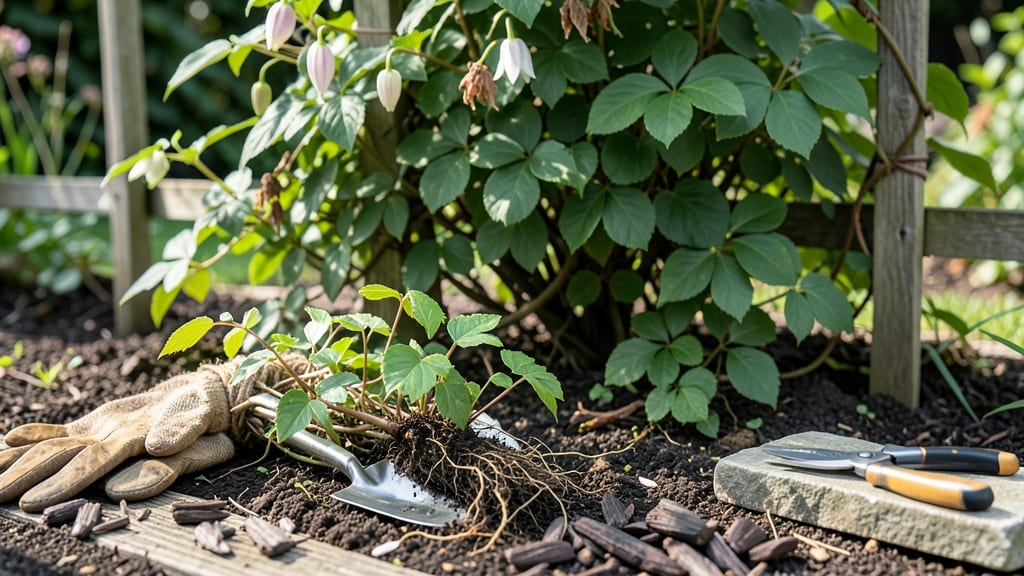
Michigan clematis planting timeline by USDA Zone (with frost-date calculator)
Michigan’s USDA Zones 4-6 create unique challenges for clematis growers, where late spring frosts can still hit after April 15. The key to success? Planting when soil temperatures stay above 50°F (10°C) for at least a week—this ensures root establishment before summer heat arrives.
Most Michigan gardeners opt for early spring planting (March-April) after the last frost, but fall planting (September-October) works too—just 6 weeks before your first frost date. The Upper Peninsula (Zone 4) has a shorter window than Southern Michigan (Zone 6), so timing varies dramatically.
Pro Tip: Use Michigan State University’s Frost Date Map (linked below) to pinpoint your exact last frost date. For example, Detroit averages May 1 for last frost, while Traverse City waits until May 15. This 14-day difference can mean the difference between thriving vines and frost-damaged starts.
Here’s the golden rule for Michigan clematis planting: Soil temp >50°F + no frost forecast for 7 days. Use a soil thermometer ($10 at garden centers) to verify—cold soil slows root growth and invites rot.
| USDA Zone | Last Frost Date | Ideal Planting Window | Fall Planting Deadline | Soil Temp Check |
|---|---|---|---|---|
| Zone 4 (Upper Peninsula) | May 10–15 | April 15–May 1 (spring) or Sept 15–Oct 1 (fall) | Oct 1 (6 weeks before first frost) | ≥50°F for 7+ days |
| Zone 5 (Northern Lower) | April 25–May 5 | April 1–April 30 (spring) or Sept 20–Oct 10 (fall) | Oct 10 (6 weeks before first frost) | ≥50°F for 7+ days |
| Zone 6 (Southern) | April 15–20 | March 20–April 15 (spring) or Sept 25–Nov 1 (fall) | Nov 1 (6 weeks before first frost) | ≥50°F for 7+ days |
🌱 Find Your Exact Frost Dates: MSU Frost Date Calculator
Spring planting in Michigan gives clematis 60+ frost-free days to establish roots before winter, but fall planting has its perks: cooler soil reduces transplant shock, and vines focus on root growth instead of foliage. For Zone 6 gardeners, fall planting until November 1 is safe—just mulch heavily after planting.
One common Michigan mistake is planting too early. If you plant in March but a late frost hits, tender new growth will die back. Always check the National Weather Service’s 10-day forecast before digging. For container-grown clematis, you can push planting 2 weeks earlier since roots are less stressed.
For Michigan’s clay-heavy soils, amend planting holes with compost and perlite to improve drainage. Clematis roots need air and moisture balance—compacted soil leads to root rot, the #1 killer of new vines. Mix in 1 part compost to 2 parts native soil for optimal results.
After planting, water deeply every 3–4 days for the first month to encourage root spread. Use a drip irrigation system set to 1–2 inches per week—this mimics Michigan’s summer rainfall patterns and prevents fungal issues from overhead watering.
Remember: Clematis in Michigan thrives with patience. First-year vines may only reach 2–4 feet, but proper timing now means 10–15 foot blooms by year 3.
Mark your calendar for April 15 (Zone 6) or May 1 (Zone 4)—these dates are your best bet for zero-failure blooms.
5 Critical signs your Michigan clematis planting is doomed (and how to fix it)
Planting clematis in Michigan’s unpredictable climate means one wrong move can kill your vines before they even take root. The #1 mistake I see? Ignoring soil temperature cues. Michigan’s heavy clay soil stays cold long after air temps warm up—planting too early means root rot from soggy soil.
Watch for yellowing leaves within weeks of planting—this is your first warning sign. The roots aren’t establishing because the soil’s still below 50°F. Even if your thermometer says spring’s arrived, dig down 6 inches. If it’s colder than a Michigan winter, wait.
🚨 WARNING: Late-Spring Frosts
Sign: New growth appears healthy, then suddenly blackens overnight.
Cause: Michigan’s late May frosts (common in Zones 5-6) catch tender clematis off guard.
Fix: Choose Zone 3-4 varieties or use frost cloth for first 2 weeks after planting.
Another red flag? Stunted growth with no new leaves after 6 weeks. This usually means your clematis is too deep in the soil. Unlike most plants, clematis needs its crown buried 2-4 inches—any deeper and it’ll suffocate. Dig up and adjust if you planted it shallow.
Don’t overlook powdery mildew on new leaves—another Michigan specialty. This fungal love affair with humid summers thrives when clematis gets too much shade (yes, even partial shade can trigger it). Solution? Space vines 3-5 feet apart for airflow and prune lower leaves to improve circulation.
For container-grown clematis, watch for roots circling the pot. If you transplant without teasing them out, the vine will strangle itself as it grows. Soak the root ball first, then gently separate roots with your fingers—no knives needed.
Plant in well-draining soil mix (50% native soil, 50% compost) to prevent waterlogging.
Pro tip: Mulch heavily (3-4 inches) after planting to insulate roots. In Michigan’s temperature swings, this buffer prevents freeze-thaw shock that can split young stems. Use straw or shredded leaves—never fresh wood chips, which steal nitrogen.