
Plants
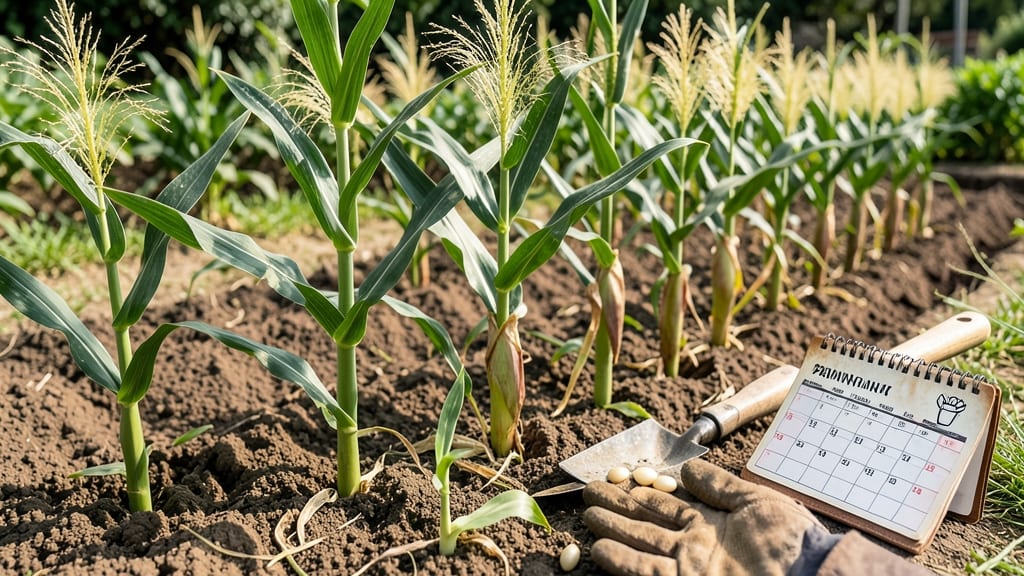
Upstate NY corn planting timeline: soil temperature rules for frost-free success
Corn thrives when planted after the last spring frost and when soil temperatures consistently reach 50°F-60°F—critical benchmarks for Upstate NY gardeners.
In regions like Albany (Zone 5b) and Syracuse (Zone 6a), this typically falls between late April and early May, but cooler microclimates near the Adirondacks may delay planting by 1-2 weeks.
Always verify your local USDA zone and historical frost data to avoid stunted growth or frost damage.
For sweet corn, which is most popular in Upstate NY, aim to plant when daytime temperatures hover around 65°F—this ensures rapid germination and strong early growth. Field corn and popcorn varieties are slightly more frost-tolerant, allowing for a 1-week earlier planting window if you’re willing to risk slower initial growth.
Use a soil thermometer to confirm readiness, as visual cues like budding trees can mislead you.
Upstate NY’s variable climate means frost dates shift yearly. For example, Buffalo (Zone 6b) averages its last frost around May 15, while Saratoga Springs (Zone 5a) often waits until May 22.
Check the National Weather Service or your local Cooperative Extension office for year-specific updates. Pro tip: Plant early-maturing varieties like 'Ambrosia' (60 days to harvest) if your season feels short.
Corn is a warm-season crop, meaning it cannot tolerate frost at any growth stage. Even young seedlings will die if hit by temperatures below 32°F, so avoid planting until nighttime lows consistently stay above 40°F.
In Upstate NY, this usually aligns with late May in colder zones but can be as early as mid-April in sheltered microclimates near lakes or urban heat islands.
Here’s a quick soil temperature guide for Upstate NY corn planting:
Upstate NY’s microclimates can shift planting windows by 10-14 days, so observe your garden’s behavior. For instance, valleys may experience frost 2 weeks later than hilltops, while urban areas can be 5-10°F warmer due to heat retention.
If you’re unsure, use row covers or black plastic mulch to warm the soil and extend your planting window by 1-2 weeks in cooler zones.
For southern Upstate NY (Zones 6a-6b), like Rochester or Ithaca, you can push planting to early April if you use season extenders or plant in sheltered spots. However, northern zones (5a-5b) should wait until after Memorial Day to avoid frost risk.
Always err on the side of planting late rather than early—corn won’t recover from frost, but it can tolerate brief cool snaps once established.
Pro tip: Test your soil in early spring to ensure pH 6.0-6.8—corn thrives in slightly acidic to neutral conditions. Upstate NY’s clay-heavy soils often need compost or aged manure to improve drainage.
Amend beds 2-3 weeks before planting to give nutrients time to integrate. This step is non-negotiable for avoiding blight and poor germination in heavy soils.
Finally, track your progress with a garden journal. Note when you plant, soil temps, and any unexpected frosts—this data will help you refine your schedule for future years.
In Upstate NY, July is the sweet spot for harvest, so aim to have tassels emerging by late June to ensure a timely crop. With these soil temperature rules, you’ll avoid the heartbreak of frost-nipped corn and enjoy a bountiful harvest instead.
How to adjust corn planting dates for Upstate NY’s microclimates and varieties
Upstate NY’s diverse microclimates—from the Adirondacks’ cooler highlands to the Genesee Valley’s warmer pockets—mean your corn’s ideal planting window can shift by weeks.
I’ve learned the hard way that Albany’s frost dates don’t apply to Buffalo’s extended growing season, so adjusting for your specific zone (typically 5a-6b) is key to avoiding bolted or stunted plants.
For early-maturing varieties like ‘Ambrosia’ (70 days) or ‘Silver Queen’ (80 days), I start seeds indoors 4-6 weeks before the last frost date (around April 15-May 1 in most areas).
These fast growers can handle cooler soils (50°F) and give you a head start against late frosts that linger in higher elevations like the Catskills.
In warmer microclimates like Rochester or Syracuse, where soils warm faster, I wait until May 10-20 for direct sowing. Use a soil thermometer—corn needs 60°F+ soil to germinate reliably.
Pro tip: Plant ‘Bodacious’ (90 days) or ‘Peaches & Cream’ (85 days) in these areas for a longer harvest window.
- Zone 5a (e.g., Adirondacks): Start seeds indoors by April 1; transplant after May 15 when soil hits 55°F.
- Zone 5b-6a (e.g., Albany, Syracuse): Direct sow May 1-15; use row covers for early starts.
- Zone 6b (e.g., Buffalo, Rochester): Wait until May 10-20 for warmer soils (60°F+); ideal for late-season varieties.
- High elevations (>1,500 ft): Extend season with black plastic mulch or cold frames.
- All zones: Space 12-18 inches apart; plant in blocks (not rows) for pollination.
Don’t fall for the myth that “corn loves cold soil”. I’ve seen seedlings rot in 50°F soil because they couldn’t germinate. Instead, use black plastic mulch or straw bales to warm soil 2-3 weeks faster.
For late starts, choose short-season varieties like ‘Early Sunglow’ (75 days)—it’s saved my crop after unpredictable May frosts.
Another trick? Plant succession crops every 2 weeks until July 1 to stretch your harvest. In Zone 6b areas, I’ve even tried fall planting with ‘Golden Bantam’ (70 days), using row covers to protect from early September frosts. It’s risky but rewarding for late-summer grilling.
Watch for common mistakes: Overcrowding (leads to poor pollination), ignoring soil pH (6.0-6.8), or planting too deep. I once lost a $50 seed packet because I buried seeds 2 inches deep instead of 1 inch. Corn needs light to germinate—don’t smother it!