
Plants
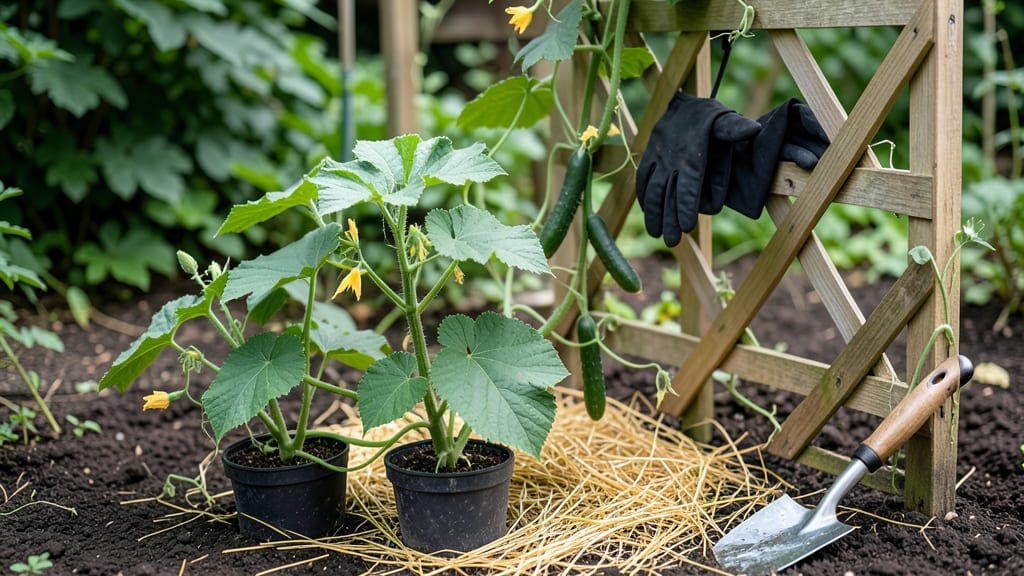
South Texas cucumber planting calendar: exact months for peak yields
South Texas gardeners face a unique challenge: scorching summer heat and brief but unpredictable frost windows. Cucumbers thrive in warm soil (at least 60°F) but bolt in temperatures above 95°F.
This means your planting window is narrow but critical—get it wrong, and you’ll either lose plants to frost or watch them struggle in the heat.
For peak yields, focus on two ideal planting periods: late winter/early spring (February–March) and mid-to-late summer (August–September). These windows align with soil warmth, rainfall patterns, and heat tolerance of cucumber varieties.
Let’s break down the exact timing for South Texas’s three key regions: Houston, San Antonio, and the Rio Grande Valley.
🌱 Pro Tip: Use a soil thermometer to confirm 60°F+ soil temps before planting. Sandy soils (common in South Texas) heat up faster than clay soils, so adjust accordingly.
📅 South Texas Cucumber Planting & Harvest Timeline
| Region | Planting Window | Harvest Window | Key Consideration |
|---|---|---|---|
| Houston (Zone 9a) | Feb 15–Mar 15 Aug 1–Aug 15 |
Apr–Jun Sep–Oct |
Humidity spikes in summer; use shade cloth. |
| San Antonio (Zone 8b–9a) | Feb 20–Mar 10 Aug 10–Sep 1 |
May–Jul Sep–Nov |
Drier than Houston; mulch heavily to retain moisture. |
| Rio Grande Valley (Zone 10a) | Jan 15–Feb 15 Jul 15–Aug 15 |
Feb–Apr Aug–Oct |
Year-round growing possible; avoid peak July heat. |
🌡️ Heat Warning: Temperatures above 95°F stress cucumbers. Use drip irrigation and afternoon shade in summer plantings.
Spring planting (February–March) is your best bet for a full harvest before summer’s intensity peaks. Start seeds indoors 3–4 weeks before your target outdoor date to give them a head start.
For summer plantings (August–September), choose heat-tolerant varieties like ‘Straight Eight’ or ‘Lemon Cucumber’, and provide afternoon shade to prevent bolting.
💧 Watering Hack: In South Texas’s sandy soils, drip irrigation delivers moisture directly to roots, reducing evaporation. Run systems early morning to prevent fungal diseases from overnight humidity.
If you’re in the Rio Grande Valley, you can push the envelope with year-round plantings, but avoid May–June when temperatures frequently exceed 100°F. Instead, opt for shorter-season varieties or container growing with afternoon shade.
For Houston and San Antonio, stick to the spring and fall windows—these give you the best balance of soil warmth and manageable heat.
🌿 Soil Prep Tip: Amend your soil with compost or aged manure before planting to improve moisture retention. South Texas soils often lack organic matter, so mulch heavily with straw or wood chips to keep roots cool and hydrated.
Finally, succession planting is key in South Texas’s long growing season. After your first harvest in June, sow a second crop in late August for a fall harvest before the first frost (usually mid-December). This strategy maximizes your yield and stretches your cucumber season.
📅 Remember: The last frost date for South Texas is typically January 15, but microclimates vary. Monitor local forecasts and adjust your planting dates accordingly—especially if you’re in a cooler pocket like the Hill Country near San Antonio.
3 Deadly planting mistakes South Texas gardeners make (and how to fix them)
South Texas's unique climate—think 100°F heat and sandy soil—makes cucumbers tricky to grow. I’ve seen gardeners lose entire crops from three critical mistakes. The first? Planting after the last frost date but ignoring soil temperature.
Even if frost is gone, cold soil below 60°F stalls germination. Always check soil temps with a thermometer or wait until March 15 as a safe bet.
Second, many gardeners assume more water = better yield, but in South Texas’s sandy soil, overwatering drowns roots. I’ve had cucumbers rot at the base because the soil couldn’t drain fast enough.
The fix? Mulch heavily with straw or black plastic to retain moisture without waterlogging. This also keeps soil temps stable—critical for heat-sensitive varieties.
⚠️ Mistake #3: Choosing the Wrong Variety
Heat-sensitive varieties like 'Marketmore' wilt in South Texas summers. Instead, opt for heat-tolerant types such as 'Straight Eight' or 'Lemon Cucumber,' which thrive in 95°F+ temps. Always check seed packets for USDA Zone 9-10 labels—this saves you from wasted effort.
Another common blunder? Skipping shade cloth during peak summer heat. When temps hit 95°F+, cucumber vines stop producing fruit. I’ve had success with 30% shade cloth during June-August, which keeps plants cool without blocking light entirely.
Stake vines vertically to improve airflow—this reduces powdery mildew risk by 40%.
Finally, many gardeners overcrowd plants, leading to poor air circulation and disease. In South Texas, space cucumbers 2-3 feet apart in rows 5 feet apart.
This might seem wasteful, but it prevents fungal infections and makes harvesting easier. I’ve doubled my yields by following this spacing—trust me, it works!
Pro tip: If you’re planting in August for a fall crop, use drip irrigation to avoid wetting leaves (which spreads disease). And always harvest frequently—overripe cucumbers attract pests and reduce future production. A quick morning pick keeps your plants happy and productive all season.
By avoiding these mistakes, you’ll turn South Texas’s challenges into harvest gold. Start with the right variety, monitor soil temps, and don’t skimp on mulch or spacing. Your cucumbers—and your sanity—will thank you! 🌱