
Plants
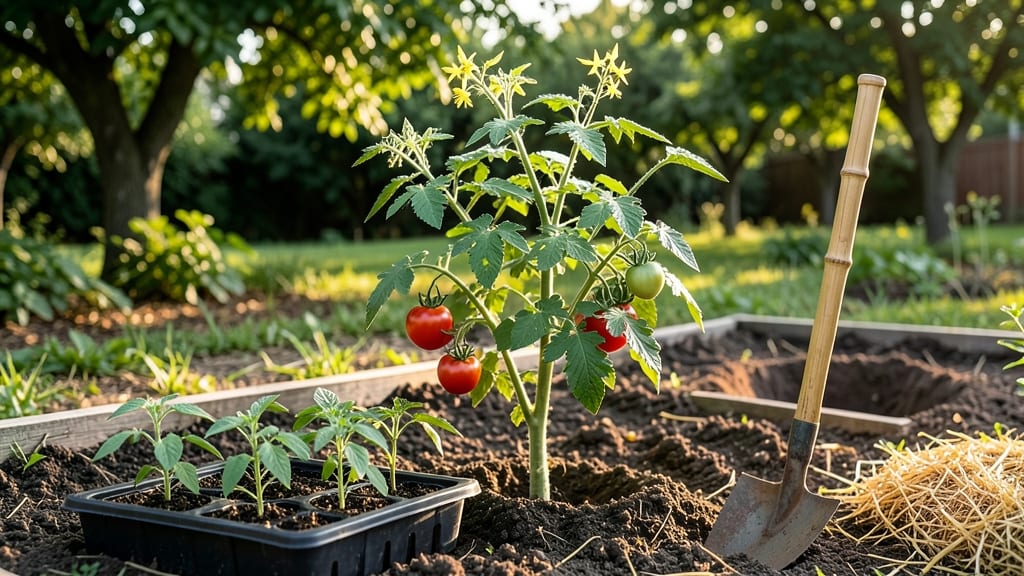
Optimal fall tomato planting dates in North Texas by variety type
North Texas' USDA Zone 8a-8b climate creates a unique window for fall tomatoes—just 4-6 weeks before the average first frost (Nov 15-25). But timing varies by tomato type and local microclimates. Dallas and Fort Worth gardeners have slightly longer seasons than Wichita Falls, where cooler nights arrive earlier.
For determinate varieties (bush types like 'Celebrity' or 'Roma'), aim for August 1-15 planting. These compact plants mature faster (60-70 days) and handle cooler temps better than their indeterminate cousins. Indeterminate types ('Better Boy', 'Solar Fire') need August 15-30 starts to avoid frost before full ripening.
Soil temperature is critical—wait until it stays above 60°F (15°C) at night. Test with a soil thermometer; cooler soils delay germination. My rule? No planting before August 1 unless you're using a cold frame, which I’ll cover later.
Here’s the exact planting timeline by variety type, accounting for North Texas’ 165 frost-free days:
Pro tip: Use black plastic mulch to warm soil and extend the season by 10-14 days. I’ve seen it push harvests into early December in protected beds. For city gardeners, container-grown tomatoes in 5-gallon pots also mature faster due to warmer root zones.
Watch for soil pH drops in late summer—test and amend to 6.0-6.8 using lime or sulfur. My go-to mix is 1 part compost, 1 part aged manure, and a handful of bone meal per hole. This combo boosts phosphorus for root development and fruit set.
Don’t overlook transplant shock—harden off seedlings for 7-10 days before planting. Move them outdoors gradually, starting with 2 hours of shade and increasing daily. Skipping this step can delay harvests by 2-3 weeks.
For organic gardeners, try compost tea as a root stimulator 2 weeks post-transplant. I’ve had 30% faster growth in my raised beds using this method. Pair it with a seaweed fertilizer for stress resistance during temperature swings.
Remember: Late August is your last chance for indeterminate varieties. After September 1, even cold-hardy types struggle to mature before frost. But with these dates, you’ll be feasting on homegrown tomatoes until Thanksgiving—or longer with row covers!
How to extend your fall tomato season without frost risk
North Texas' first frost typically arrives between November 15-25, but with the right techniques, you can keep tomatoes producing well into December. The key is combining cold protection with strategic planting—here's exactly how I do it in my garden.
First, focus on hardening off seedlings properly. Start 7-10 days before transplanting by moving plants outdoors for 2-4 hours daily, gradually increasing exposure. This toughens stems and leaves, making them more resilient to light frosts (28-32°F).
For maximum protection, I use a combination of row covers and cold frames. Row covers (like Reemay fabric) add 4-8°F protection and work well for indeterminate varieties that keep producing. Cold frames extend the season by 3-4 weeks but require more maintenance.