
Plants
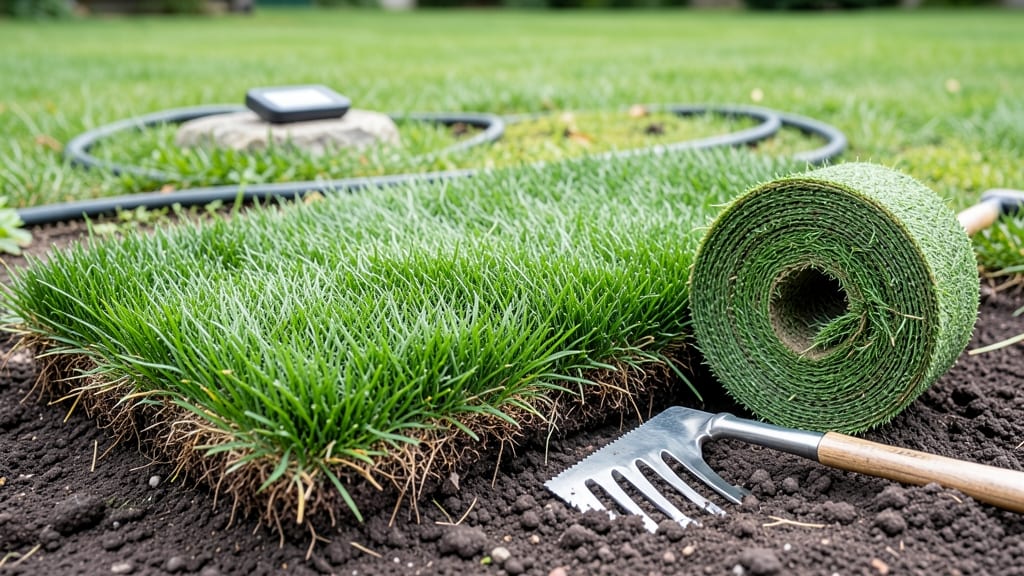
Best planting windows for fescue sod in Oklahoma’s climate zones
Oklahoma’s diverse climate zones (USDA 6a-8a) create unique challenges for fescue sod success. The ideal planting window balances soil warmth, rainfall, and temperature—typically late summer to early fall (August-October) or early spring (March-April). Northern Oklahoma’s cooler microclimates may allow earlier spring planting, while southern regions benefit from delayed fall installation.
Fescue thrives when soil temperatures stay between 50-65°F. This range ensures strong root establishment before winter dormancy or summer heat stress. Use the hand-in-soil test: If the soil feels cool but not freezing at 4 inches deep, it’s ready for sod.
In Oklahoma, this usually aligns with September-October for most regions.
Rainfall patterns also dictate timing. Oklahoma’s average first frost (November 15) means you should plant 4-6 weeks prior to give roots time to anchor. Southern Oklahoma’s milder winters may extend this window into early December, while northern areas should aim for mid-October at the latest.
Spring planting is riskier due to summer heat, but if you choose this window, wait until after the last frost (typically mid-March). Early spring sod may struggle with drought stress as temperatures rise.
Always prioritize soil moisture over speed—fescue needs 1-1.5 inches of water weekly for the first 3 months.
🌱 Oklahoma Fescue Planting Timeline by Region
| Region | Best Months | Soil Temp Range | Key Consideration |
|---|---|---|---|
| Northern OK (USDA 6a-7a) | Late August–Mid October | 50-60°F | Cooler nights; prioritize frost protection |
| Central OK (USDA 7a-7b) | September–Early November | 55-65°F | Balanced heat/moisture; ideal for root growth |
| Southern OK (USDA 7b-8a) | October–Early December | 60-68°F | Warmer soils; extend window into winter |
| All Regions (Spring) | Mid-March–April | 50-60°F | High-risk; requires daily watering to prevent drought |
Oklahoma’s clay-heavy soils can slow water absorption, so always amend with compost before laying sod. Aim for a 6.0-7.0 pH—test your soil 2 weeks before planting. If your area experiences drought warnings, delay until rainfall returns or install irrigation systems beforehand.
Pro tip: Roll out sod in strips (not squares) to minimize seams. Stagger the edges like brickwork to prevent thatch buildup. After installation, keep foot traffic off for 2-3 weeks to protect young roots. Water lightly twice daily for the first week to prevent drying.
Monitor your sod’s progress by lifting a small corner after 3 weeks. Healthy roots should be 1-2 inches deep and white. If roots are sparse, increase watering or apply a starter fertilizer with high phosphorus (e.g., 10-20-10 ratio).
Northern Oklahoma gardeners should mulch with straw in late fall to insulate roots during winter.
Remember: Fall planting yields the strongest first-year lawn in Oklahoma. The cooler temperatures reduce water stress, while shorter days encourage root growth over topgrowth. If you miss the fall window, spring planting is your second-best option—but be prepared for intensive care during summer.
🌱 For Oklahoma’s unpredictable weather, always check the National Weather Service 10-day forecast before purchasing sod. Sudden heatwaves can turn a perfect planting day into a disaster. When in doubt, plant early—fescue’s resilience will reward your patience with a lush, drought-tolerant lawn.
Critical mistakes to avoid when planting fescue sod in Oklahoma
Planting fescue sod at the wrong time in Oklahoma can turn your dream lawn into a costly mistake. The state’s variable climate—from scorching summers to early frosts—demands precision. Many gardeners overlook soil temperature, rainfall timing, or root establishment periods, leading to weak growth or failure.
One of the biggest errors is planting during summer heat. Oklahoma’s July and August temperatures often exceed 90°F, causing sod to dry out and roots to struggle.
Even if you water consistently, the stress can stunt growth for months. I’ve seen sod installed in June wilt within weeks unless heavily irrigated.
Another common pitfall is ignoring soil pH. Oklahoma’s clay-heavy soils often have a low pH (acidic), which fescue dislikes. A quick soil test (available at local extension offices) can save you from patchy growth. Aim for a pH of 6.0–7.0—amend with lime if needed before planting.
Skipping the 4–6 week root establishment period is another red flag. Fescue needs time to develop a deep root system before winter. Planting too close to frost (within 3 weeks) means roots won’t anchor properly, leaving your lawn vulnerable to winter kill or spring browning.