
Flowers
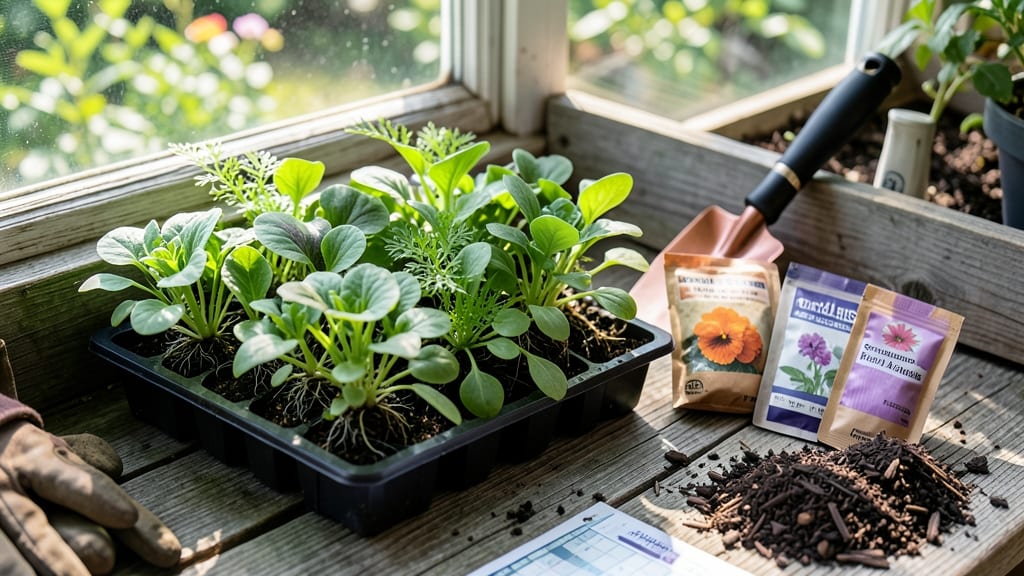
When to plant flower seeds in Minnesota can make or break your garden—get it wrong, and you might end up with sad, stunted blooms instead of the vibrant 🌸 displays you dream of.
Minnesota’s short growing season means every week counts, especially when you’re dealing with USDA Zones 3b to 5b. Whether you’re planting annuals like marigolds or perennials like coneflowers, knowing the exact window to start seeds indoors or sow them directly in the soil is the key to success.
I’ve spent years perfecting the timing, and what I’m about to share will help you avoid common mistakes—like planting too early and risking frost damage, or waiting too long and missing the bloom season entirely.
Let’s break down the perfect planting schedule for your zone, including how to extend your season with simple tricks that work even in Minnesota’s unpredictable climate.
Minnesota’s frost-free dates by hardiness Zone: when to plant flower seeds
Minnesota’s short growing season and variable frost dates make timing critical for flower seed success. The state spans USDA Zones 3b–5b, with last frost dates ranging from May 1–15 in northern areas to May 15–30 in southern regions.
Always wait until after the average last frost—not just the calendar date—to plant delicate seeds outdoors.
For cold-hardy annuals like pansies or snapdragons, you can start seeds indoors 6–8 weeks before your last frost. Warm-season flowers such as marigolds or zinnias need soil temperatures above 50°F (10°C), typically late May to early June.
Perennials like coneflowers can handle cooler soil and often tolerate early spring planting.
Use the USDA Zone Map to pinpoint your exact location—Minnesota’s Zone 4A (northern) has a shorter frost-free window (about 120 days) than Zone 5B (southern), which enjoys 140+ days. Microclimates near lakes or cities can also shift frost dates by 1–2 weeks, so monitor local weather forecasts.
🌱 Pro Tip: Bookmark the MN State Climatology Office or use Almanac’s Frost Calculator for real-time updates. Even a light frost can kill tender seedlings, so err on the side of caution.
Minnesota Flower Seed Planting Timeline by Zone
| Zone & Location | Last Frost Date | Best Planting Window | Notes |
|---|---|---|---|
| Zone 3b (Northwest: International Falls) | May 15–20 | May 21–June 10 (outdoors) Indoors: March 1–15 |
Start cold-hardy seeds early; use row covers for late blooms. |
| Zone 4a (Central: St. Cloud) | May 1–10 | May 11–June 15 (outdoors) Indoors: March 15–April 1 |
Ideal for perennials; protect seedlings with cloches. |
| Zone 4b (Twin Cities) | May 10–15 | May 16–June 20 (outdoors) Indoors: March 20–April 10 |
Urban areas may warm faster; monitor soil temps. |
| Zone 5a (Southeast: Rochester) | April 30–May 5 | May 6–June 25 (outdoors) Indoors: March 25–April 15 |
Longer season; great for succession planting. |
| Zone 5b (Far Southwest: Redwood Falls) | May 5–10 | May 11–July 1 (outdoors) Indoors: March 30–April 20 |
Try late-season varieties like cosmos for fall color. |
🌡️ Soil Temperature Tip: Use a soil thermometer—most seeds need 40–70°F (4–21°C) to germinate.
For fall-blooming flowers, aim to plant late July to early August for varieties like asters or mums.
These seeds need 6–8 weeks of growth before the first frost, which typically hits October 10–20 in Minnesota. Perennials like black-eyed Susans can even be sown in early fall (September) for spring blooms.
If you’re unsure about your zone, check the University of Minnesota Extension’s interactive map or enter your ZIP code into the USDA Plant Hardiness Zone Finder. Microclimates near large bodies of water or urban heat islands can add 1–2 weeks to your growing season—take advantage of them!
For indoor starts, use grow lights to simulate 14–16 hours of light daily. Seedlings like petunias or geraniums need this extra boost to survive Minnesota’s late springs. Harden off seedlings 7–10 days before transplanting by gradually exposing them to outdoor conditions.
Always keep a planting journal to track what works in your specific zone. Last year’s frost dates aren’t always reliable—this year’s May frost might arrive earlier or later than expected. By aligning your planting with local data and plant resilience, you’ll maximize your Minnesota flower garden’s potential.
🌿 Key Reminder:
Best flower seed varieties for Minnesota’s short growing season
Minnesota’s short growing season demands strategic flower choices that thrive in cool springs and warm summers. Whether you’re planting annuals for instant color or perennials for long-term beauty, selecting the right varieties ensures success despite our unpredictable climate.
Here’s my curated list of top performers, categorized by planting time and resilience.
For early spring planting (March–April), focus on cool-season flowers like pansies and snapdragons. These hardy annuals tolerate light frosts and bloom even in 50°F soil.
In contrast, warm-season flowers such as marigolds and zinnias need to wait until after the last frost (typically mid-May) to avoid stunted growth from chilly nights.
-
🌱 Cool-Season Champions (Plant March–April)
- Pansies: Cold-hardy to 20°F; blooms spring to frost.
- Snapdragons: Thrives in partial shade; 60–90 days to flower.
- Sweet Peas: Fragrant climber; plant seeds early indoors.
-
☀️ Warm-Season Stars (Plant After Last Frost)
- Marigolds: Disease-resistant; repels pests naturally.
- Zinnias: Long-blooming (June–frost); attracts butterflies.
- Sunflowers: Fast-growing (60–90 days); great for cut flowers.
-
🌿 Perennials for Year-Round Interest
- Coneflowers: Drought-tolerant; blooms July–frost.
- Black-Eyed Susans: Low-maintenance; thrives in poor soil.
- Daylilies: Hardy to Zone 3; blooms June–August.
Pro tip: Succession plant warm-season flowers like zinnias every 2–3 weeks after the last frost to extend your garden’s bloom time into fall. For example, a late-July planting of zinnias can still flower until the first frost in October, giving you 3 extra months of color.
If you’re new to Minnesota gardening, start with pansies and marigolds—they’re forgiving, fast-growing, and perfect for beginners. Pansies can even handle light snow in early spring, while marigolds deter pests like aphids and nematodes, protecting your other plants naturally.
For long-term success, invest in perennials like coneflowers, which return year after year with minimal care. They’re drought-resistant once established, making them ideal for Minnesota’s unpredictable rainfall. Pair them with annuals like zinnias for a non-stop summer show.
Remember: Soil temperature matters. Use a soil thermometer to confirm your soil is at least 50°F before planting warm-season seeds.
In colder zones (like Zone 4A), wait until late May to avoid frost damage. Patience pays off—rushing can lead to leggy, weak plants that struggle in Minnesota’s cool summers.