
Flowers
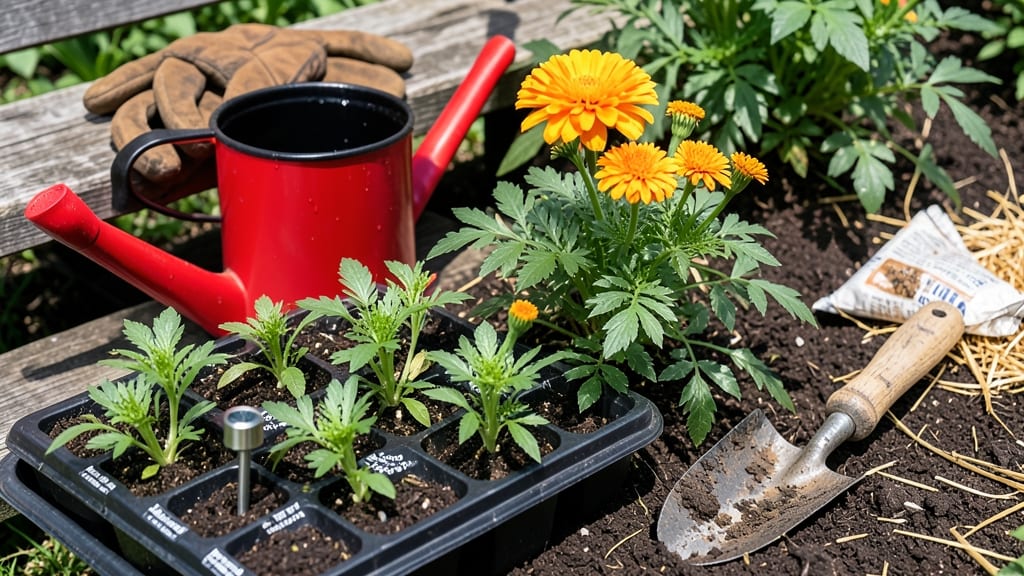
Missouri’s flower seed planting calendar by heat zone (USDA 5a-6b)
Missouri’s diverse climate—from the cool northern hills to the warmer southern plains—means your planting timeline depends heavily on your USDA heat zone and last frost date. Most of Missouri falls in zones 5b-6b, but even a 20-mile difference can shift your frost window by 1-2 weeks.
Let’s break down the ideal planting windows for your region, whether you’re in St. Louis (zone 6b) or Kansas City (zone 6a).
For annual flowers like marigolds or petunias, aim to sow seeds 2-4 weeks before your area’s last frost date. Perennials such as coneflowers or black-eyed Susans can handle cooler soil and often thrive when planted in early spring or even late fall.
Tender varieties like geraniums or impatiens need to wait until after May 1 in most areas to avoid frost damage.
Below is a county-by-zone comparison of Missouri’s frost-free windows. Use this to time your direct sowing or indoor starts for maximum success.
| Region | USDA Zone | Last Frost Date | First Frost Date | Best Planting Window | Fall Planting Window |
|---|---|---|---|---|---|
| Northern MO (e.g., St. Joseph, Kirksville) | 5b | April 20 | October 10 | April 20 - May 15 | August 1 - September 1 |
| Central MO (e.g., Columbia, Jefferson City) | 6a | April 15 | October 15 | April 15 - May 10 | August 15 - September 10 |
| Southern MO (e.g., Springfield, Cape Girardeau) | 6b | April 1 | October 30 | April 1 - May 5 | August 30 - October 15 |
| St. Louis Metro | 6b | April 5 | October 25 | April 5 - May 1 | September 1 - October 10 |
| Kansas City Metro | 6a | April 10 | October 20 | April 10 - May 1 | August 20 - September 15 |
If you’re in zone 5b, like northern Missouri, hold off on planting frost-sensitive seeds until after April 20. In zone 6b, such as St. Louis or southern Missouri, you can start as early as April 1 for hardy varieties.
For fall planting, aim to sow seeds 6-8 weeks before your first frost date—typically late August to early September.
Pro tip: Use row covers or cold frames to extend your planting window by 2-3 weeks in cooler zones. This lets you start cold-hardy flowers like pansies or calendulas earlier in spring or keep basil and cosmos growing into late fall.
Just remove covers during the day to prevent overheating.
For indoor starts, begin sowing 6-8 weeks before your last frost date. This gives geraniums, petunias, and snapdragons enough time to grow strong before transplanting. Use a grow light if natural light is limited, and keep soil temps between 65-75°F for optimal germination.
Missouri’s microclimates can create surprises—even within the same city, urban gardens may stay 5°F warmer than rural areas due to heat islands. Always check your local Cooperative Extension Service for year-specific frost dates, as climate shifts can delay or advance frost timelines by 1-2 weeks.
Remember: Soil temperature matters just as much as air temperature. Use a soil thermometer to confirm it’s at least 60°F before planting warm-season flowers like zinnias or sunflowers. Cool soil can stunt growth or cause rot.
Start with fast-growing annuals like marigolds or nasturtiums to test your soil and timing. These hardy flowers tolerate a wide range of conditions and bloom quickly, giving you instant feedback on your planting strategy.
Missouri’s long, hot summers mean you can enjoy continuous blooms with succession planting. After your first spring planting, sow more seeds every 2-3 weeks until mid-July to keep your garden vibrant through fall. 🌸
How to adjust planting dates for Missouri’s microclimates
Missouri’s diverse geography means your neighbor’s perfect planting window might not suit your garden. Urban areas like St. Louis (USDA Zone 6b) often experience warmer microclimates than rural Kansas City (Zone 5b), while low-lying spots frost later than elevated gardens.
Understanding these nuances helps you avoid frost damage or stunted growth.
Start by checking your local frost dates. While the state’s average last frost is April 15, cities like Sedalia may see frost-free soil by April 1, while Cape Girardeau might wait until April 22.
Use these dates as a baseline, then adjust for your garden’s specific conditions.
Urban gardens often benefit from the urban heat island effect, where pavement and buildings trap warmth. This can push planting dates 1-2 weeks earlier for tender flowers like impatiens or geraniums. Conversely, rural areas with cooler nights might need to wait until mid-May for frost-sensitive annuals.
Low-lying areas or valleys hold cold air longer, delaying planting by up to 10 days compared to hilltops. If your garden sits in a frost pocket, opt for cold-hardy varieties like pansies or snapdragons, which tolerate light frosts.
For tender plants, use row covers or cold frames to extend your season by 3-4 weeks.
For late-season planting, aim to sow fall-blooming flowers like zinnias or cosmos by August 1 in southern Missouri or August 15 in the north. Use soil thermometers to ensure temperatures stay above 55°F for 2 weeks post-planting.
In microclimates with early frosts, opt for fast-growing annuals or perennials that establish roots quickly.
Pro tip: Keep a gardening journal for 2-3 years to track your local frost dates and adjust planting schedules accordingly. Over time, you’ll fine-tune your flower seed timing to match your unique microclimate—leading to healthier plants and longer bloom seasons. 🌱