
Flowers
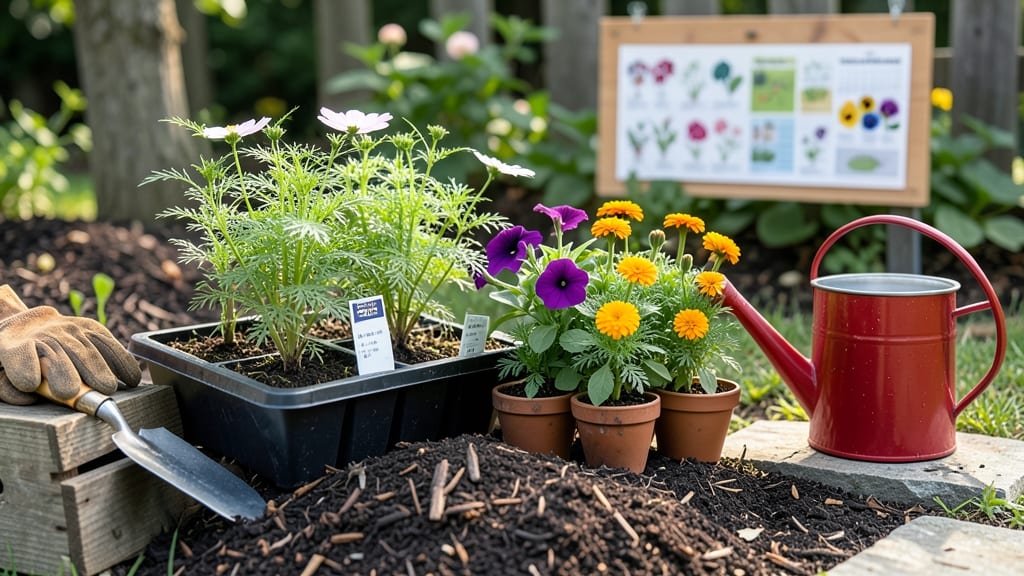
New England frost dates by region: when to plant annuals for maximum blooms
New England’s last frost dates vary dramatically—sometimes by weeks—between coastal areas and inland valleys. For example, Maine’s coast might see its last frost by April 15, while inland Vermont could still face frosts until May 15.
These differences mean the perfect planting window for your annual flowers depends entirely on your specific location.
Most warm-season annuals like marigolds and zinnias need soil temperatures above 50°F and frost-free conditions. Planting too early risks frost damage, while waiting too long cuts your bloom season short. The key is aligning your planting with local frost probabilities—not just average dates.
Here’s a breakdown of last frost dates and ideal planting windows for New England’s six states, including microclimate exceptions for coastal vs. inland areas.
| Region | Last Frost Date (Avg.) | Plant Warm-Season Annuals | Plant Cool-Season Annuals | Notes |
|---|---|---|---|---|
| Connecticut (Coastal) | April 15 | Late April - Early May | March - Early April | Inland areas (e.g., Hartford) may frost until May 1. |
| Massachusetts (Coastal) | April 20 | Late April - Early May | March - Early April | Western MA (e.g., Springfield) can frost until May 10. |
| Maine (Coastal) | April 10 | Late April - Early May | March - Early April | Northern inland (e.g., Bangor) may frost until May 20. |
| New Hampshire (Coastal) | April 25 | Late April - Early May | March - Early April | White Mountains can frost until June 1 in high elevations. |
| Rhode Island | April 10 | Late April - Early May | March - Early April | Coastal areas are 1-2 weeks earlier than inland. |
| Vermont (Inland) | May 15 | Mid-May - Early June | Late March - Early April | Northern VT may frost until June 10 at high elevations. |
For cool-season annuals like pansies or snapdragons, you can plant as early as March in coastal areas, but wait until April inland. These hardy flowers tolerate light frosts and even snow, making them perfect for early spring color.
Warm-season annuals, however, demand patience. Marigolds, petunias, and geraniums won’t thrive until soil warms to 60°F+. Use a soil thermometer to confirm—planting too soon can stunt growth or kill seedlings. Pro tip: Cover seedlings with row covers if an unexpected frost threatens.
New England’s first frost dates also vary widely, typically arriving between mid-October (coastal) and early November (inland). This means your late-summer bloomers like cosmos or zinnias may still thrive into October if planted early enough. For tender annuals, consider fall planting in August-September to enjoy blooms before winter sets in.
To fine-tune your schedule, check your local USDA hardiness zone (most of New England falls in
How to adjust planting times for coastal vs. inland microclimates in New England
New England’s coastal regions and inland valleys can feel like entirely different climates when it comes to planting flowers. Coastal areas like Martha’s Vineyard or Portland, Maine often enjoy earlier last frost dates—sometimes 2-3 weeks sooner than inland spots.
Meanwhile, inland zones like Northern Vermont or Western Massachusetts face delayed springs and later frosts, making timing even trickier. Understanding these differences is key to avoiding frost-killed seedlings or missed bloom seasons.
For example, coastal Connecticut may safely plant pansies or snapdragons in early April, while inland New Hampshire gardeners should wait until mid-May. The Gulf of Maine moderates temperatures, creating a warmer microclimate just miles from colder inland areas.
Even within a single state, elevation changes of just 500 feet can shift frost dates by 10 days or more. That’s why relying on USDA hardiness zones alone isn’t enough—you’ll need to account for these localized patterns.
🌊To fine-tune your planting schedule, start by checking local frost probability maps from your state agricultural extension office. For example, the University of Maine and UMass Amherst offer free resources with hyper-local frost data.
Pair this with a soil thermometer—planting when soil hits 50°F ensures roots warm up quickly. Coastal gardeners can also use heat-loving varieties like geraniums or zinnias earlier, while inland growers should stick to hardier annuals such as pansies or sweet alyssum until late May.
Another trick? Observe your neighbors’ gardens. If their tulips bloom by mid-May, you’re likely in a coastal or low-elevation zone and can plant warm-season flowers like marigolds or cosmos sooner.
Conversely, if daffodils linger until June, you’re probably in a higher-elevation or inland area where late frosts are more common. This neighborhood wisdom often beats relying solely on almanac averages, which can be 10 days off in either direction.
For perennials and bulbs, timing matters just as much. Plant spring-blooming bulbs like tulips or daffodils in fall (October-November), but adjust based on your microclimate. Coastal areas can wait until late November, while inland zones should aim for early October to avoid winter heaving.
Meanwhile, fall-planted annuals like pansies or calendulas thrive when seeded 6-8 weeks before your first frost—so coastal gardeners can start in late August, while inland growers should begin in mid-August.
Don’t overlook urban heat islands, either. Cities like Boston or Providence can be 5-10°F warmer than rural areas just 10 miles away, creating pockets where tender flowers like petunias or impatiens can survive 2-3 weeks earlier.
If you’re in an urban zone, use this to your advantage by planting heat-lovers sooner—but always have row covers on hand for unexpected late frosts, which can still sneak in even in the city.
Finally, keep a planting journal for at least 3 years to track your local patterns. Note when frosts occur, how soil warms, and which flowers thrive in your microclimate. Over time