
Flowers
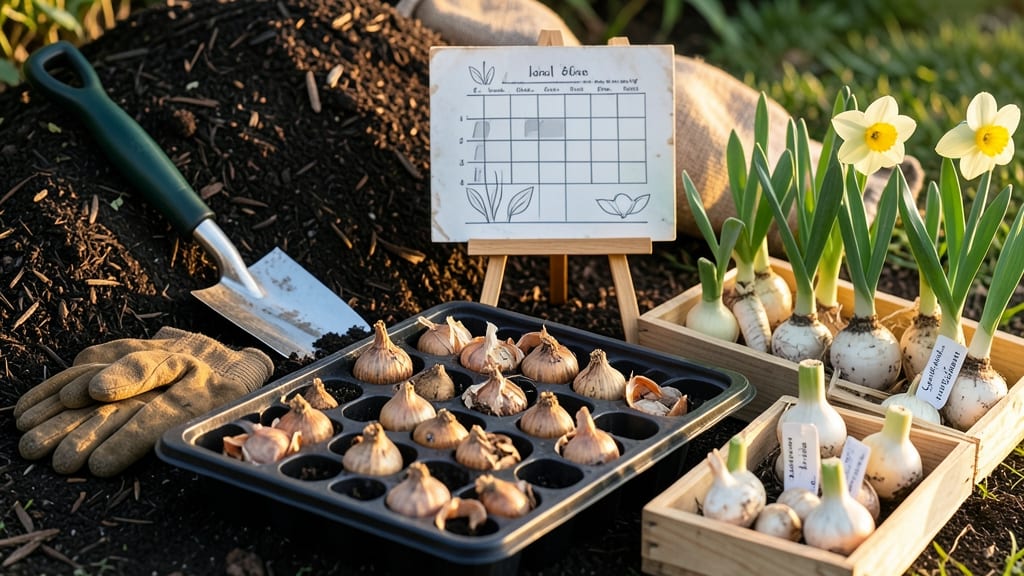
Timing your spring flower planting can mean the difference between a vibrant summer garden and a season of disappointment. The key to success lies in understanding when to plant flowers in the spring—especially in your specific zone—so your 🌸 blooms appear right on schedule.
Most gardeners in Zone 6a wait until after the last frost date (typically late April to early May), but the exact timing depends on whether you're planting annuals that bloom quickly or perennials that need time to establish roots.
Getting this wrong can leave you staring at bare soil when your neighbors' gardens are in full color.
I’ll break down the best planting windows for your region, plus how to adjust for fast-bloomers like marigolds versus slow growers like peonies. With these insights, you’ll avoid common mistakes and set your garden up for a season of stunning blooms.
Ready to transform your outdoor space? Let’s dive into the exact dates and care tips you need to make this spring your most successful yet.
Spring flower planting dates by USDA hardiness zones: exact timelines
Spring flower planting isn't a one-size-fits-all task—your USDA hardiness zone dictates when to plant for maximum success. In Zone 3, where winters are brutal, aim for late May planting after all frost risk has passed.
Meanwhile, gardeners in Zone 10 can start as early as February since frost is rare. The key is aligning your planting with soil temperature (ideally 50-60°F) and last frost dates, not just calendar months.
For most regions, annual flowers like marigolds and zinnias thrive when planted 2-4 weeks after your last frost date. Perennials, such as peonies and daylilies, often prefer early spring planting (March-April in Zones 5-8) to establish roots before summer heat. Bulbs, like tulips and daffodils, should be planted in fall, but some spring-blooming varieties (like hyacinths) can go in early spring.
Here’s the critical rule: Never plant when soil temps are below 50°F—cool soil slows root growth and invites rot. Use a soil thermometer to check; if it’s colder, wait.
In Zone 7, for example, that might mean holding off until mid-April, while Zone 9 gardeners can start as early as February for heat-loving flowers like petunias or geraniums.
🌱 Spring Flower Planting by USDA Zone
| Zone | Early Spring (Bulbs/Perennials) | Mid-Spring (Annuals) | Late Spring (Heat-Lovers) |
|---|---|---|---|
| 3-4 | March (hardy perennials) | Late May - June | July (for fall blooms) |
| 5-6 | March-April | April-May (after frost) | June |
| 7-8 | February-March | March-April | May-June |
| 9-10 | January-February | February-March | March-April |
💡 Pro Tip: Adjust for microclimates—sheltered spots may warm up 1-2 weeks earlier than open areas.
Regional climate quirks matter too. In the Pacific Northwest, cooler springs delay planting until May, while Southern California gardeners can plant year-round for continuous blooms. Even within a zone, elevation changes planting times: Mountain gardeners in Zone 6 might plant 3 weeks later than valley counterparts.
For container gardening, timing shifts slightly—pots warm up faster, so you can plant 1-2 weeks earlier than in-ground. Just ensure containers have drainage holes to prevent root rot in cooler soil.
If you’re unsure about your last frost date, check local agricultural extension office resources or use apps like Old Farmer’s Almanac for zone-specific forecasts.
One common mistake? Planting tender annuals like impatiens too early. These heat-lovers wilts in cold soil—wait until after Memorial Day in most zones. Conversely, cool-season flowers like pansies can handle light frosts and should go in early spring or even fall for winter color.
Soil prep is just as critical as timing. Before planting, amend your soil with compost to improve drainage and add slow-release fertilizer (like 10-10-10) to fuel early growth.
In heavy clay soils, mix in sand or perlite to prevent waterlogging. Mulch after planting to retain moisture and regulate soil temperature—critical for seedlings in unpredictable spring weather.
If you’re in a transition zone (like Zone 7b), hedge your bets by planting some flowers early (like snapdragons) and others late (like cosmos) to extend your bloom season.
This strategy ensures color from late spring through fall, even if Mother Nature throws a curveball with an unexpected frost.
Remember: Fast-blooming flowers (like marigolds)
How fast-blooming vs. slow-blooming flowers change your planting schedule
Not all spring flowers follow the same planting rules—some race to bloom in just 6-8 weeks, while others take 3-5 months to show their colors. Understanding these differences helps you avoid planting too early (risking frost damage) or too late (missing peak bloom seasons).
Fast-bloomers like marigolds and pansies can handle early spring plantings, while slow growers like peonies or black-eyed Susans need the full season to establish.
Your planting window shifts based on bloom speed. For example, in Zone 5, fast annuals like cosmos can go in 4 weeks before your last frost date, while perennials like daylilies should wait until 2 weeks after.
This timing ensures your garden stays colorful from early summer through fall without gaps.
Here’s how to adjust your schedule: Fast bloomers (like snapdragons) thrive with early starts, while slow growers (like delphiniums) need later plantings. Even bulbs follow this rule—tulips (fast) plant in fall, but dahlias (slow) wait until spring’s warm soil.
Pro tip: Check seed packets for days to maturity—this tells you exactly when to plant for summer blooms. For example, if your last frost is May 1 and a flower takes 90 days to bloom, plant by February 1 for a July show.
Use this formula: Last Frost Date - Days to Bloom = Planting Deadline.
Regional adjustments matter too. In Zone 10, fast bloomers can go in January, while Zone 3 gardeners wait until May. Always pair bloom speed with your local frost dates and soil temperature (aim for 50°F+ for most flowers).
Mixing bloom speeds creates a continuous color show. Start with fast pansies in early spring, follow with medium zinnias in late spring, and cap with slow dahlias in summer. This layered approach ensures your garden never looks bare—just plan ahead!