
Planting
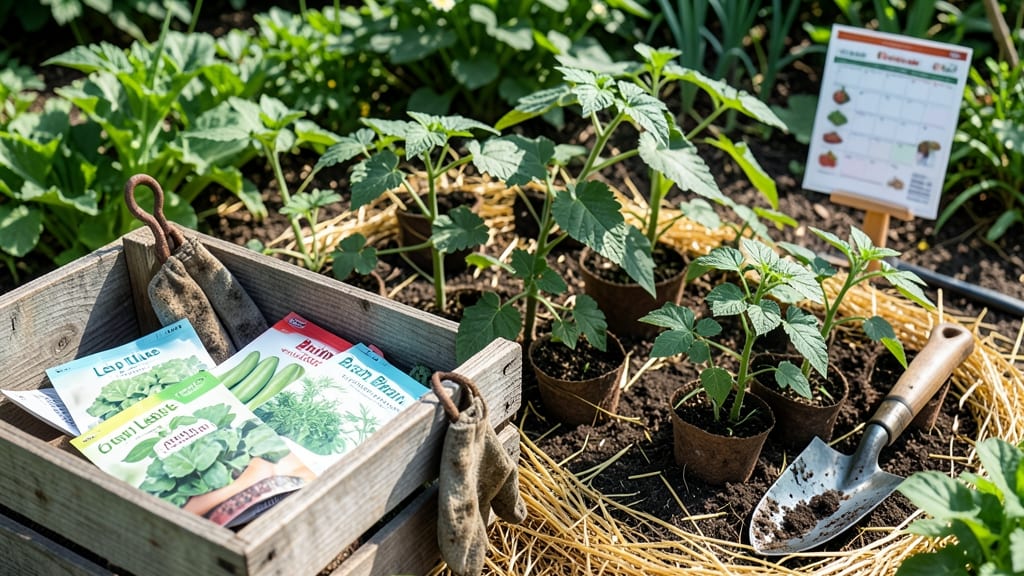
Timing your garden in East Tennessee can make or break your harvest—plant too soon, and frost wipes out your hard work; too late, and you miss the sweet spot for peak flavor and yield. With USDA Zones 6a-7a and unpredictable mountain weather, knowing the exact window matters more than anywhere else.
I’ve spent years watching East Tennessee gardens thrive (and fail) based on one simple rule: wait until after the last frost date, typically mid-April, but never assume—microclimates in the Smokies can delay frost by weeks compared to Knoxville.
The key isn’t just memorizing dates; it’s reading your soil and sky.
In this guide, I’ll break down exactly when to plant for your zone, whether you’re sowing cool-season greens in spring or heat-loving tomatoes in fall. No more guesswork—just proven timing for your East Tennessee garden to flourish.
Ready to turn your patch of dirt into a productive haven? Let’s get started with the critical planting calendar that works for your region’s quirks.
East Tennessee last-frost dates by zone: the critical timeline for planting
Understanding last-frost dates is the foundation of successful gardening in East Tennessee. The region spans USDA Zones 6b, 7a, and 7b, where average last-frost dates range from mid-April in valleys to early May on mountain ridges.
These dates mark when it’s safe to plant warm-season crops like tomatoes and peppers outdoors.
However, don’t rely solely on averages—microclimates play a huge role. Valley gardens often warm up 1-2 weeks earlier than ridge tops due to cold air settling in low areas.
Always check local frost records from sources like the National Weather Service or local Cooperative Extension offices for the most accurate timing.
For example, if you’re gardening in Knoxville (Zone 7a), aim to have warm-season crops planted by May 1st. Meanwhile, gardeners in the Smoky Mountains (Zone 6b) should wait until May 15th to avoid frost damage.
Always monitor soil temperatures—most warm-season plants need soil at 60°F or higher.
Pro tip: Use frost-sensitive plants like basil or cucumbers as natural indicators. If they survive a night outdoors, it’s likely safe to plant other heat-loving crops. For extra safety, keep row covers handy to protect young plants during late frosts.
Don’t forget about fall planting! The first frost typically arrives between mid-October and early November, giving you a 165-day growing season in most of East Tennessee. Cool-season crops like kale and spinach can be planted as early as late August for a fall harvest.
To track frost dates locally, set up a frost alert system using apps like Frost Date Finder or check with your county extension office. They often provide real-time updates based on recent weather patterns, which can shift 1-2 weeks earlier or later than the average.
If you’re unsure about your exact zone, use the USDA Plant Hardiness Zone Map and cross-reference with local elevation data. For instance, a garden at 1,500 feet elevation in Johnson City may experience frosts 10 days later than one at 3,000 feet in the Great Smoky Mountains.
Remember, frost dates aren’t set in stone. A late spring freeze in April or an early frost in September can disrupt even the best-laid plans. That’s why season-extension tools like hoop houses or cold frames are invaluable for East Tennessee gardeners.
Start planning now by marking your last-frost date on your calendar and adjusting your planting schedule accordingly. With this timeline, you’ll be ready to sow seeds at the perfect moment for a bountiful harvest! 🌱
Best planting times for top East Tennessee vegetables: from cool-season crops to heat lovers
Timing is everything in East Tennessee’s garden—especially when cool-season crops like lettuce and heat-loving plants like tomatoes need precise windows to thrive. Unlike milder climates, our USDA Zones 6b-7a demand careful planning to avoid frost damage or wasted effort.
I’ve grown gardens here for years, and I’ve learned the hard way that planting too early risks frost, while planting too late shrinks harvests.
For cool-season vegetables, aim to plant 4-6 weeks before your last frost date—typically late March to early April in most of East Tennessee. These include spinach, kale, broccoli, and peas, which tolerate light frosts and even flourish in 50-60°F soil temperatures.
I start seeds indoors in February for a head start, then transplant outdoors after the average last frost (usually mid-April).
🌱
📌 East Tennessee Planting Timeline by Crop Type
- 🌱 Cool-Season Crops (March-April): Lettuce, spinach, kale, broccoli, peas, carrots, radishes. Plant 4-6 weeks before last frost for spring harvests.
- 🌿 Warm-Season Crops (May-June): Tomatoes, peppers, eggplants, cucumbers, beans, squash. Wait until soil reaches 60°F+ and night temps stay above 50°F.
- 🌻 Succession Planting (June-August): Bush beans, zucchini, lettuce (for fall), radishes. Sow every 2-3 weeks for continuous harvests.
- 🍂 Fall Planting (August-September): Kale, spinach, carrots, beets, garlic. Plant 6-8 weeks before first frost (mid-October) for winter harvests.
- ❄️ Frost-Tolerant Perennials (September-October): Asparagus, rhubarb, strawberries. Establish roots before winter dormancy.
Warm-season crops like tomatoes and peppers are trickier—they won’t survive frost and need soil temperatures above 60°F to germinate. I wait until late May in most of East Tennessee (or early June in mountain valleys) to transplant seedlings outdoors.
For succession planting, I sow bush beans and zucchini every 2 weeks from June through July to keep the harvest going.
Herbs like basil and cilantro also have specific needs. Basil, a heat lover, should wait until after Memorial Day when nights stay warm. Cilantro, however, bolts in heat, so I plant it in early spring or late summer for a fall harvest.
Even perennials like asparagus need patience—I plant crowns in early spring but wait 3 years for the first harvest!
Don’t forget fall planting! Crops like kale and carrots thrive in cool autumn weather. I sow seeds in late August for a harvest before the first frost. For overwintering greens, use row covers to protect tender plants like spinach from light frosts.
With these crop-specific timelines, you’ll maximize your East Tennessee garden’s potential—no more wasted seeds or missed harvests!
🌿