
Planting
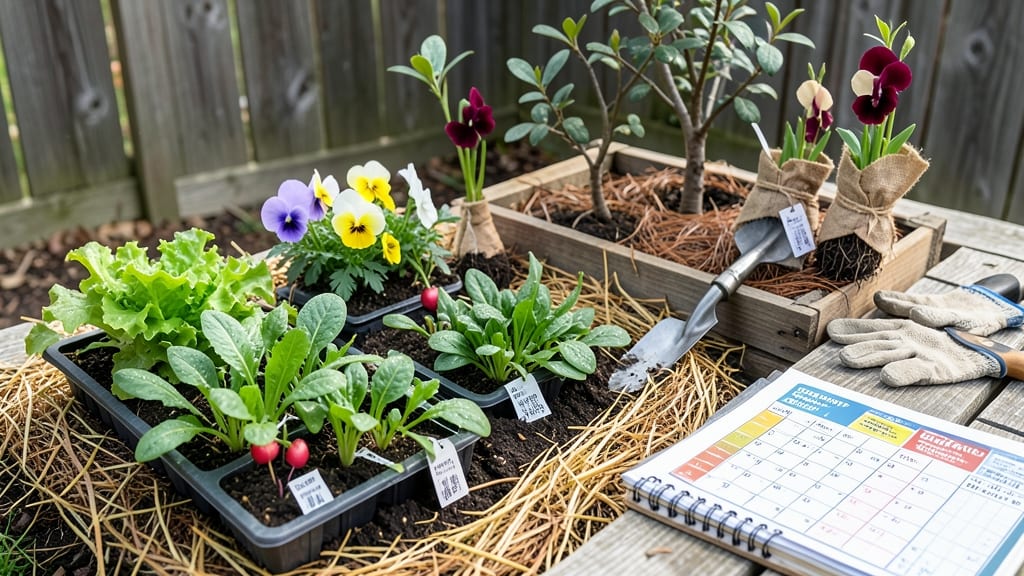
Georgia’s frost-free planting zones: when to start seeds & transplants by region
Georgia’s diverse climate—from the humid Coastal Plain to the milder Piedmont—means planting times vary dramatically. The USDA zones 7a-8b across the state create microclimates where last frost dates can differ by weeks.
For example, Savannah’s Zone 8a has a February 15 average last frost, while Athens’ Zone 7b waits until March 15.
Cool-season crops like kale, broccoli, and spinach thrive when planted 4-6 weeks before your local last frost date. Warm-season favorites such as tomatoes, peppers, and squash need to wait until 2-3 weeks after the last frost to avoid chilling injury.
Key rule: Use your frost-free days (180-240 days in Georgia) to plan. North Georgia’s shorter window demands earlier starts, while South Georgia’s longer season allows for fall planting of crops like collards and turnips.
| Region | USDA Zone | Avg. Last Frost | Cool-Season Planting Window | Warm-Season Planting Window |
|---|---|---|---|---|
| North GA (Atlanta, Dahlonega) | 7a-7b | March 15 | Feb 15 - Mar 15 | Apr 15 - May 1 |
| Central GA (Macon, Columbus) | 8a | March 1 | Jan 15 - Feb 28 | Mar 15 - Apr 1 |
| South GA (Savannah, Valdosta) | 8a-8b | February 15 | Jan 1 - Feb 15 | Feb 28 - Mar 15 |
🌱 Pro Tip: Check your county’s local extension office for precise frost dates—microclimates can shift planting by weeks!
For direct sowing (planting seeds outdoors), timing matters even more. Peas and lettuce can handle light frosts, so start them as early as January in Zone 8b. Corn and beans, however, need soil temps above 60°F, so wait until April in North Georgia.
Transplants like tomato and pepper seedlings bought from nurseries should go in 2-3 weeks after your last frost. Harden them off first by gradually exposing them to outdoor conditions for 7-10 days. This step is critical in Georgia’s humid summers to prevent shock.
Don’t overlook fall planting! Georgia’s mild winters let you grow broccoli, kale, and radishes from August to October. These crops thrive in cool weather and can even survive light frosts, giving you a second harvest before winter sets in.
Use shade cloth or row covers to protect tender seedlings from late spring frosts, which can still hit North Georgia into April. For heat-sensitive crops like cucumbers and melons, opt for shade-tolerant varieties or plant them near trees or structures that provide afternoon shade.
Georgia’s clay-heavy soils also affect planting. Amend beds with compost or sand to improve drainage, especially in low-lying areas prone to waterlogging during spring rains. This prep ensures roots establish quickly, giving plants a head start against summer heat.
Track your garden’s progress with a planting journal. Note when you sow seeds, transplant, and harvest—this data helps you refine timing each year. Over time, you’ll master Georgia’s unpredictable frosts and scorching summers like a pro!
Heat-Zone hacks: how to extend Georgia’s growing season for maximum yields
Georgia’s summer heat can turn your garden into a sauna, but with the right strategies, you can beat the heat and grow crops year-round. The key is understanding microclimates—those small areas in your yard with different temperature and shade conditions.
A north-facing bed might stay 10°F cooler than a south-facing one, creating perfect conditions for heat-sensitive plants like lettuce or cucumbers.
Start by selecting heat-tolerant varieties like Malabar spinach, okra, or sweet potato leaves, which thrive in Georgia’s 90°F+ temperatures. These plants have built-in drought and heat resistance, making them ideal for summer gardens.
Pair them with shade-loving herbs like cilantro or basil to create a balanced, productive bed.
Shade cloth is your best friend during peak summer months. A 30-50% shade cloth can reduce soil temperatures by up to 15°F, protecting delicate crops like tomatoes or peppers from scorching.
Install it over raised beds or trellises to maintain airflow while blocking harmful UV rays. For extra protection, use white mulch—it reflects sunlight and keeps roots cool.
🌱 Traditional vs. Heat-Adapted Varieties
| Plant Type | Traditional Variety | Heat-Adapted Variety | Georgia Growing Tip |
|---|---|---|---|
| Spinach | Bloomsdale Long Standing | Malabar Spinach | Plant in partial shade; thrives in 95°F+ |
| Tomato | Cherry Roma | Heatmaster | Use shade cloth 30%; prune aggressively |
| Lettuce | Buttercrunch | Jericho | Grow in containers with morning sun only |
Don’t overlook drip irrigation—it delivers water directly to roots while keeping foliage dry, reducing fungal diseases like powdery mildew that thrive in Georgia’s humidity. Schedule watering for early morning to give plants time to dry before evening dampness sets in.
Pair this with drought-resistant mulch, like straw or wood chips, to lock in moisture and regulate soil temperature.
For fall planting, take advantage of Georgia’s second growing season by sowing broccoli, kale, or carrots in late summer. These cool-season crops benefit from the warm soil but tolerate cooler nights.
Use row covers to extend their season into early winter, protecting them from unexpected light frosts common in Zone 7a.
Finally, rotate crops strategically to deplete heat-loving pests like squash bugs or aphids. Plant marigolds or basil as companion plants—their strong scents repel pests while attracting beneficial insects. With these heat-zone hacks, you’ll turn Georgia’s summer into a productive, pest-free paradise for your garden.