
Plants
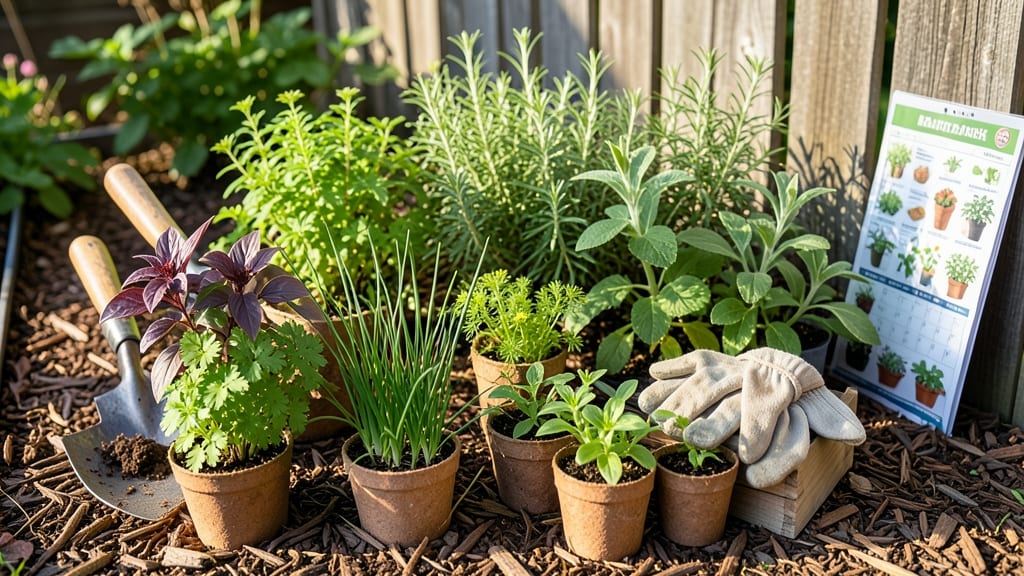
Chicago’s herb planting calendar: exact dates by USDA Zone 5 frost patterns
Chicago’s USDA Zone 5b-6a climate means your herb garden must adapt to late spring frosts and early fall chills. According to the Chicago Botanic Garden, the average last frost date is April 15, but temperatures can dip below freezing even into early May.
This timing is critical for heat-loving herbs like basil and cilantro, which won’t survive frost.
For cold-hardy herbs like parsley and chives, you can start seeds indoors 6-8 weeks before the last frost (around February 20). These herbs tolerate cooler temperatures, giving you a head start. Meanwhile, tender herbs like dill and oregano should wait until after May 1 to avoid frost damage.
Soil temperature is just as important as air temperature. Most herbs thrive when soil reaches 50°F (10°C). Use a soil thermometer to confirm readiness—especially for containers, which warm up faster than in-ground beds.
If your soil is still cold, opt for cold frames or row covers to protect young plants.
Here’s your herb planting timeline for Chicago, broken down by frost patterns and soil readiness:
| Herb Type | Best Planting Time | Soil Temp Requirement | Notes |
|---|---|---|---|
| Cold-Hardy (Parsley, Chives, Thyme) | Late March - Early April (Indoors) / Early May (Outdoors) | 40-50°F (4-10°C) | Tolerates light frost; ideal for early harvests. |
| Moderate (Cilantro, Dill, Sage) | Mid-April - Early June (After last frost) | 50-60°F (10-15°C) | Bolts in heat; plant in partial shade in summer. |
| Heat-Loving (Basil, Rosemary, Oregano) | Early June - Mid-June (After all frost risk) | 60°F+ (15°C+) | Wait until soil is warm; use black plastic mulch to heat soil faster. |
| Fall Planting (All Herbs) | Late August - Early September | 50°F+ (10°C+) | Extend season with row covers; harvest before first frost. |
Chicago’s microclimates add another layer of complexity. Areas near Lake Michigan stay cooler longer, while urban heat islands (like downtown) warm up faster. Adjust your planting dates by 1-2 weeks based on your location—check the National Weather Service for local frost alerts.
For container gardening, you have more flexibility. Containers warm up 2-3 weeks earlier than in-ground beds, so you can plant cilantro or basil in pots by mid-April if you use heat mats or move them indoors during cold snaps. Just ensure containers have drainage holes to prevent root rot.
Pro tip: Succession planting is key for a continuous harvest. Sow fast-growing herbs like basil or cilantro every 2-3 weeks from May through July. This ensures you always have fresh leaves—no gaps in your kitchen garden!
Remember, Chicago’s first frost typically arrives around October 15. Plan to harvest heat-loving herbs like basil before then, or bring potted plants indoors to a sunny windowsill for a winter harvest.
How to extend your Chicago herb growing season with smart techniques
Chicago’s short growing season doesn’t mean your herb garden has to be short-lived! With the right techniques, you can enjoy fresh basil in May and hardy parsley until November. The key is protecting tender plants from late spring frosts and early fall chills while maximizing your harvest window.
Start with cold frames or mini greenhouses to jumpstart seedlings indoors 6-8 weeks before your last frost date (around April 15). These create a microclimate that warms soil faster, giving herbs like cilantro and dill a head start.
For container herbs, move them near sunny windows or under grow lights to extend their season.
🌱
- Frost Cloth Protection
Use lightweight frost cloth (not plastic) to shield plants when nighttime temps drop below 32°F (0°C). Secure it loosely to allow airflow—herbs like thyme and oregano can survive light frosts with this protection.
- Succession Planting
Sow fast-growing herbs like basil and cilantro every 2-3 weeks from May to July. This ensures a continuous harvest and prevents bolting (when herbs flower prematurely).
- Fall Planting for Hardier Herbs
Plant cold-tolerant herbs like parsley, chives, and mint in late August for a fall-to-winter harvest. These thrive in cooler temps and can even survive light frosts under mulch.
- Mulching for Soil Insulation
Apply 2-3 inches of mulch (straw or shredded leaves) around herb bases to regulate soil temperature. This keeps roots 5-10°F warmer in spring and cooler in fall, protecting delicate varieties like tarragon.
- Container Mobility
Grow herbs in pots so you can move them to sunniest spots or sheltered areas during extreme weather. Roll containers indoors if a hard freeze is forecasted—most herbs bounce back quickly.
For heat-sensitive herbs like basil, watch for bolting (when plants flower and taste bitter) as summer temperatures climb. Shade cloth (30-50%) can help, or opt for shade-tolerant varieties like Genovese basil with its slightly larger leaves.
Don’t forget to harvest regularly—this encourages bushier growth and prevents herbs from going to seed. Pinch back flower buds early to redirect energy into leaf production. With these techniques, your Chicago herb garden can thrive for nearly 10 months of the year!
☀️