
Plants
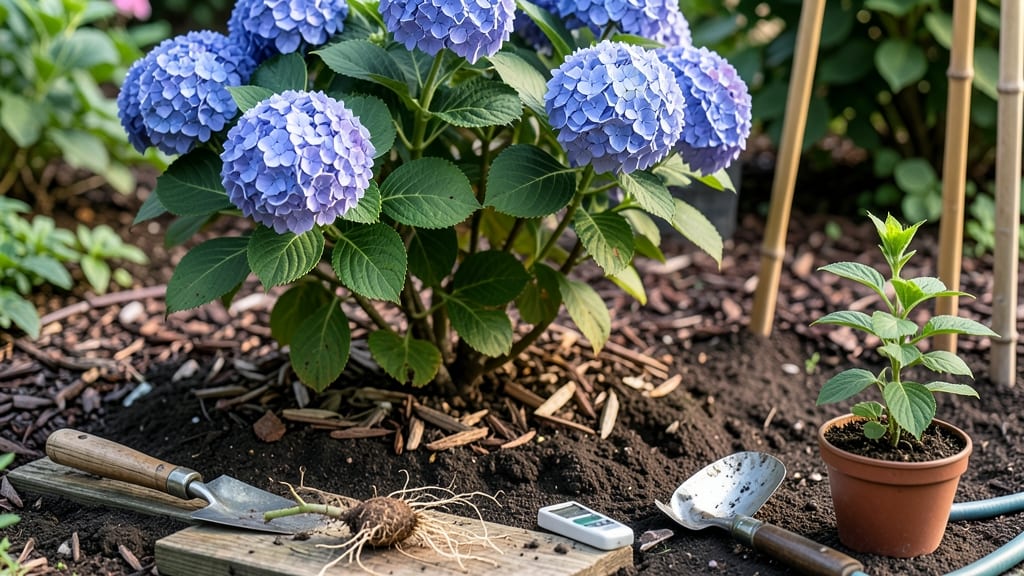
Best months to plant hydrangeas in Seattle’s climate zones
Seattle’s USDA Zone 8a climate offers two ideal windows for planting hydrangeas: spring (March–May) and fall (September–October). Spring planting gives roots time to establish before summer heat, while fall planting allows roots to grow before winter dormancy.
Both strategies work in Seattle, but timing matters—avoid planting when soil is too cold or waterlogged, which can stunt growth.
Your last average frost date in Seattle is around April 15, so aim to plant hydrangeas at least 2–3 weeks after this date. For fall planting, finish by mid-October to ensure roots harden off before the first frost.
Urban areas like Ballard or Capitol Hill may have slightly warmer microclimates, while rural spots like Snoqualmie can be cooler—adjust your timing accordingly.
Soil temperature is critical: hydrangeas thrive when soil is at least 50°F (10°C). Use a soil thermometer to check—if it’s cooler, wait a few weeks.
In Seattle’s damp climate, soggy soil can lead to root rot, so amend your soil with compost or organic matter to improve drainage before planting.
🌸 Seattle Hydrangea Planting Guide
| Season | Best Months | Soil Temp | Key Considerations |
|---|---|---|---|
| Spring | March–May | 50°F+ (10°C+) | Plant after last frost; mulch to retain moisture. |
| Fall | September–October | 50°F+ (10°C+) | Finish by mid-October; water deeply before frost. |
| Avoid | November–February | Below 40°F (4°C) | Risk of frost damage; roots won’t establish. |
🌿 Pro Tip: Container-grown hydrangeas can be planted slightly earlier in spring (late February) since their roots are already established.
For container planting, Seattle’s mild winters allow you to plant hydrangeas year-round, but spring or fall still offer the best results. Use pots with drainage holes and a well-draining potting mix to prevent waterlogging.
If planting in urban gardens with limited space, choose dwarf varieties like 'Annabelle' or 'Endless Summer,' which thrive in containers and adapt well to Seattle’s partial shade.
Seattle’s rainy summers can create challenges, but hydrangeas actually prefer consistent moisture. However, avoid planting in low-lying areas where water pools—opt for slightly elevated spots or raised beds. If your yard has clay soil, mix in sand or perlite to improve drainage.
This is especially important for oakleaf hydrangeas, which are prone to root rot in heavy, compacted soil.
One common mistake in Seattle is planting too early in soggy winter soil. If you’re eager to start, start hydrangeas indoors in late winter (February) and transplant them outdoors after the last frost.
This head start helps them outpace Seattle’s slow spring warming and establish stronger roots before summer. For bare-root hydrangeas, soak the roots for 2–3 hours before planting to rehydrate them.
If you’re unsure about your local microclimate, observe nearby mature hydrangeas in your neighborhood. Healthy plants with vibrant blooms indicate ideal conditions. For example, hydrangeas thriving in Green Lake Park likely do well in similar partial-shade, well-drained spots across Seattle. Adjust your planting site based on these natural indicators.
Finally, consider mulching after planting to regulate soil temperature and retain moisture. Use 3–4 inches of organic mulch like wood chips or shredded bark, keeping it 6 inches away from the plant’s stem.
This is especially helpful in Seattle’s cool, damp springs and hot, dry summers. Mulch also suppresses weeds, reducing competition for nutrients.
With the right timing and soil prep, your hydrangeas will reward you with stunning blooms all summer long—even in Seattle’s unpredictable weather. 🌷
Signs your Seattle hydrangeas are ready for planting (and what to avoid)
Seattle’s unpredictable weather means timing is everything when planting hydrangeas. Look for soil temperatures above 60°F—this signals roots can grow without frost damage. In Seattle, this typically happens by mid-April, but urban areas like Ballard may warm faster than rural zones.
Check for last frost dates—Seattle’s average last frost is April 15, but microclimates near Puget Sound can vary by 1-2 weeks. Planting too early risks frost-killed roots, while waiting too long may stress young plants before summer heat arrives.
Your hydrangeas are ready when new growth appears and leaves unfurl. Avoid planting when soil feels cold or soggy—Seattle’s winter rains can leave ground waterlogged, suffocating roots. Test soil moisture by squeezing a handful; if it stays clumped, wait a few days.
Planting in full shade stunts blooms—Seattle’s partial shade (morning sun) is ideal. Overwatering in compacted clay soil (common in Seattle) causes root rot. Avoid late summer planting—new roots won’t establish before frost.
Watch for bud swell on hydrangeas—this means they’re breaking dormancy and ready for transplanting. In Seattle, this usually happens by late March for early bloomers like 'Endless Summer' or May for late varieties. Prune dead stems before planting to reduce stress.
For container-grown hydrangeas, check root growth—if roots circle the pot, it’s time to transplant. Seattle’s acidic soil (pH 5.5-6.5) suits hydrangeas, but amend with compost or peat moss if your soil tests higher. Mulch with wood chips to retain moisture and regulate temperature.
If you see yellowing leaves after planting, it’s often overwatering or nutrient shock. Seattle’s cool, wet springs can delay establishment—give plants 2-3 weeks to acclimate before fertilizing. Start with a balanced 10-10-10 fertilizer in early June to support blooms.