
Plants
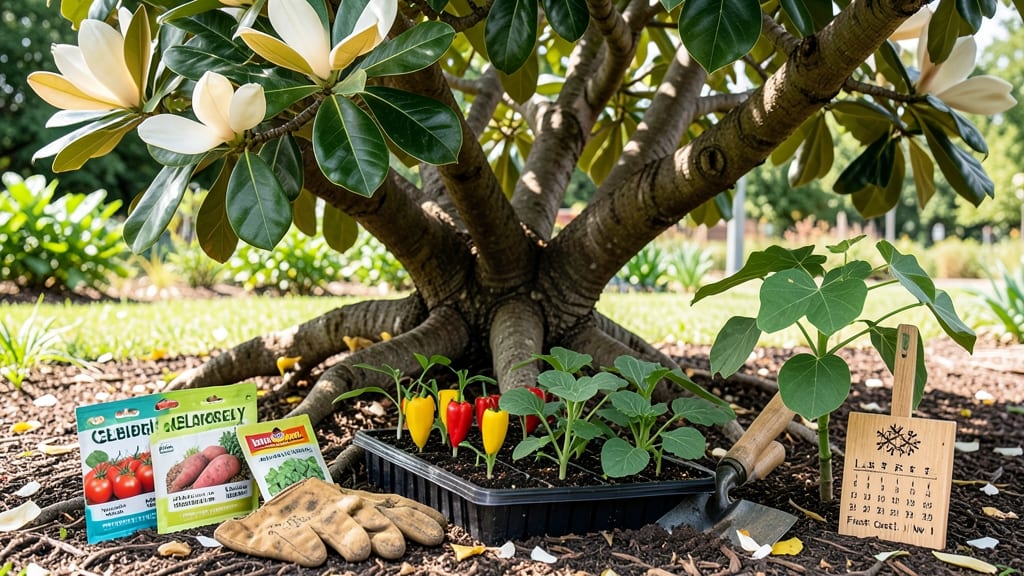
Arkansas frost dates by region: when to plant cool-season crops
Arkansas’s USDA hardiness zones 6b-8a create dramatic differences in frost timing—what works in Zone 7b (like Fayetteville) may fail in Zone 8a (like Texarkana). Cool-season crops like broccoli, spinach, and peas need precise timing to avoid frost damage or stunted growth.
Let’s break down the last frost dates by region so you can plant with confidence.
In northern Arkansas (Zones 6b-7a), the average last frost date falls between March 15-30, while southern Arkansas (Zones 7b-8a) sees frost-free conditions by February 28-March 15.
These dates shift yearly, so always check local weather forecasts or use a soil thermometer to confirm when temperatures consistently stay above 32°F.
For Little Rock (Zone 7b), gardeners typically plant cool-season crops 4-6 weeks before the last frost—around February 15 for hardy greens like kale and lettuce.
In Fayetteville (Zone 7a), wait until March 1 to avoid late frosts, while Texarkana (Zone 8a) gardeners can start as early as January 20 for early varieties.
Pro tip: Use row covers or cold frames to extend your planting window by 2-4 weeks in cooler zones. For example, in Zone 7a, you can plant cabbage as early as January 15 under protection. Just remove covers when daytime temps reach 70°F to prevent overheating.
First frosts in Arkansas typically arrive between October 15-November 15, with northern zones freezing first. Plan your fall planting of cool-season crops like turnips and radishes for August-September, giving them 60-80 days to mature before frost.
In Zone 8a, you can often plant winter greens like spinach as late as October 15.
Watch for microclimates in Arkansas—valleys and low-lying areas often frost 1-2 weeks earlier than hilltops. If you’re near a large body of water (like the Arkansas River), expect slightly later frosts due to water’s heat-retaining properties. Always scout your garden in early morning for frost pockets before planting.
For extreme cold snaps, consider hardy varieties like 'Winterbor' kale or 'Purple Top White Globe' cabbage, which tolerate 20°F temps. Pair these with mulch (straw or leaves) to insulate roots.
In Zone 7b, I’ve successfully grown garlic planted in October and harvested the following June—proof that timing and protection pay off.
Remember: Arkansas’s humid subtropical climate means high humidity can delay soil warming in spring. Use a soil thermometer to confirm 50°F+ soil temps before planting cool-season crops—cold soil slows germination and stunts growth.
This is especially critical for root vegetables like carrots and beets, which need consistent warmth to develop properly.
Start seeds indoors 6-8 weeks before your region’s last frost date for transplanting. For Zone 7a, that means January 15 for tomatoes and peppers—but wait until April 1 to transplant outdoors after all danger of frost has passed.
In Zone 8a, you can transplant 2 weeks earlier, around March 15.
Heat Zone timeline: best months for warm-season plants in Arkansas
Arkansas’s warm-season crops like tomatoes, peppers, and okra demand precise timing to thrive. Plant too early, and they’ll wilt in the heat; too late, and they won’t mature before frost. The key is understanding Arkansas’s heat zones (7-9) and aligning planting with soil temperatures and seasonal shifts.
In Zone 7b, for example, wait until mid-April, while Zone 8a gardeners can start as early as late March.
Warm-season plants need soil temperatures above 60°F to germinate. Use a soil thermometer to check—if it’s cooler, delay planting or use black plastic mulch to warm the soil faster. My rule of thumb?
Plant tomatoes and peppers 2-3 weeks after the last frost date, but no later than June 1 for a fall harvest. For southern Arkansas (Zone 8a), you can even squeeze in a late-summer planting for a winter harvest!
🌱 Arkansas Warm-Season Planting Calendar
| Crop | Zone 7b (North AR) | Zone 8a (South AR) | Notes |
|---|---|---|---|
| Tomatoes | April 15 - May 15 | March 20 - June 1 | Use heat-tolerant varieties like 'Celebrity' or 'Solar Fire'. |
| Peppers | April 1 - May 10 | March 15 - May 30 | Start indoors 8-10 weeks before last frost. |
| Cucumbers | May 1 - June 1 | April 15 - July 1 | Trellis for better air circulation and yield. |
| Okra | May 15 - July 1 | April 1 - August 1 | Drought-tolerant; plant after soil is warm. |
| Sweet Potatoes | April 15 - May 15 | March 20 - June 1 | Plant slips in warm soil; harvest before frost. |
For Zone 7b gardeners, focus on early planting (mid-April) to avoid summer’s brutal heat. In Zone 8a, you’ve got more flexibility—plant in March for a spring harvest or June-July for a fall one.
My top tip: Always have a backup planting plan. If summer heat arrives early, opt for shade cloth or drip irrigation to keep plants cool and hydrated.
Don’t forget about succession planting! For crops like bush beans or lettuce, sow seeds every 2-3 weeks from April through July to ensure a steady harvest. This works especially well in Zone 8a, where the growing season stretches longer.
Just remember: late July plantings may not mature before frost in Zone 7b, so time it right!
If you’re in northern Arkansas (Zone 7b), consider using row covers to extend your warm-season growing window. These lightweight fabrics protect young plants from late frosts and can even add 2-3°F to soil temperatures.
For southern Arkansas (Zone 8a), focus on heat-tolerant varieties like 'Arkansas Traveler' tomatoes or 'Jupiter' peppers, bred to handle Arkansas’s humidity and heat.
Finally, mark your calendar for September 1—this is the last call for warm-season crops in most of Arkansas. After that, shift to fall planting for cool-season crops like kale or spinach.
With these timing tips, you’ll maximize your harvest and avoid the common pitfalls of Arkansas’s unpredictable weather patterns. Happy planting! 🌱