
Plants
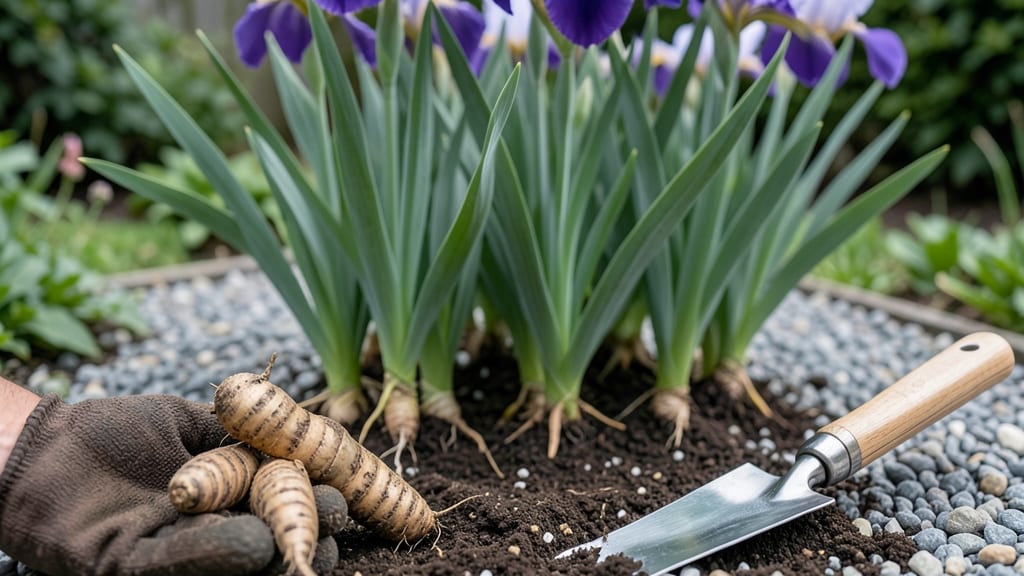
California’s ideal iris planting months by microclimate Zone
California’s microclimates create a puzzle for iris growers—what’s perfect in coastal San Francisco (USDA Zone 9b) may fail in inland Fresno (Zone 9a). The golden rule? Plant iris rhizomes when soil temps hit 60°F (15°C)—this triggers root growth before winter dormancy.
For most regions, that’s October through December, but desert areas like Palm Springs (Zone 10a) can plant as late as January.
Your last frost date is your best guide. Coastal areas rarely see frost, while inland valleys (like Sacramento) may hit 28°F (-2°C) by December. Use this 6-week buffer to plant before cold sets in.
For example, if your last frost is December 15, aim to plant by November 1 to give roots time to establish.
Here’s the non-negotiable timeline by region: Coastal (e.g., LA, San Diego) can plant through December; inland valleys (e.g., Stockton, Bakersfield) should finish by November 15; and deserts (e.g., Palm Springs, Joshua Tree) have until January 10**.
Early spring planting (February–March) works too, but fall-planted irises bloom larger the next year.
| Region | USDA Zone | Best Planting Window | Soil Temp Trigger | Key Risk |
|---|---|---|---|---|
| Coastal (e.g., San Francisco, LA) | 9b-10a | Oct 15–Dec 15 | 60°F (15°C) | Fungal rot from winter rains |
| Inland Valleys (e.g., Sacramento, Bakersfield) | 9a-9b | Oct 1–Nov 15 | 60°F (15°C) | Late frost damage |
| Desert (e.g., Palm Springs, Joshua Tree) | 10a-11 | Nov 1–Jan 10 | 65°F (18°C) | Heat stress if planted too early |
| Mountain Foothills (e.g., Lake Tahoe area) | 7b-8a | Sep 15–Oct 31 | 55°F (13°C) | Early snow |
Proximity to the ocean changes everything. Coastal irises benefit from humidity and cooler nights, while inland varieties need well-draining soil to prevent rot. If you’re in a fog-prone zone, extend planting into early December.
For inland areas, mulch heavily (3–4 inches of straw) to insulate roots from temperature swings.
Ever notice how irises in San Diego gardens bloom year-round? That’s because their mild winters let them plant anytime—but inland gardeners must stick to the October–November window.
The difference? Coastal soil stays 5–10°F warmer than inland areas at the same latitude. Use a soil thermometer ($10 at garden centers) to confirm temps before planting.
Here’s my personal trick: I plant 1/3 of my irises in October, another third in November, and the final third in February. This staggered approach ensures blooms from March through June, with minimal gaps.
It also spreads out the risk if an unexpected frost hits. For example, if December brings unusual cold to LA (rare but possible), your February-planted irises will still thrive.
One critical mistake I see often? Planting irises too deep in heavy clay soils. The top of the rhizome must stay exposed—it needs sunlight to photosynthesize. In sandy desert soils, you can plant slightly deeper (3–4 inches), but in coastal clay, keep it at 2–3
How to time iris bulb planting for maximum bloom success
Timing your iris bulb planting isn’t just about the calendar—it’s about understanding your soil’s temperature triggers and the moon’s phases. Irises need 60-70°F soil to root before winter dormancy.
Plant too early, and they’ll rot; too late, and they’ll bolt prematurely. Here’s how to nail the perfect window for zero-frost success.
First, focus on soil temperature, not just air temperature. Use a soil thermometer to confirm 60°F+ soil before planting. In coastal California, this often means October-November planting, while inland valleys may wait until November-December. Pro tip: Morning planting reduces stress from afternoon heat.
⚠️ 3 Critical Timing Errors That Kill Blooms
- Planting in hot soil (>75°F) causes rhizomes to dry out instantly.
- Ignoring frost dates—coastal areas can have December frosts, while deserts stay frost-free.
- Skipping moon phase checks: Planting during a waxing moon boosts root growth.
🌱 Fix it: Test soil temp, check local frost alerts, and plant 3 days after a waxing moon.
For maximum bloom success, pair planting with moon phase alignment. Irises thrive when planted during a waxing gibbous moon (7 days before full moon). This phase enhances root development, ensuring stronger stems and longer-lasting blooms. Use a lunar calendar to plan 2-3 weeks in advance.
Depth matters just as much as timing. Bury iris rhizomes (not bulbs) only 4 inches deep, with the top 1/3 exposed to sunlight. This prevents rot while allowing photosynthesis. Space them 12 inches apart to avoid crowding, which leads to pale, weak blooms.
After planting, mulch lightly with 2 inches of straw to retain moisture without smothering the rhizomes. Water deeply once, then let the soil dry slightly before the next watering. Overwatering in fall planting is the #1 reason irises fail to bloom.
Monitor your irises for new fan growth by late winter. If planted correctly, you’ll see 12-inch shoots by March, ready to burst into bloom. Adjust watering to deep soaks every 10-14 days once growth starts. Skip fertilizers until spring green-up—too-early feeding encourages leafy growth over flowers.
🌸 Remember: The best planting window is a 6-week span before your area’s first frost. Use local USDA zone maps to refine your timing—coastal gardeners (Zone 9-10) have until December 15, while inland (Zone 7-8) should finish by November 15.