
Plants
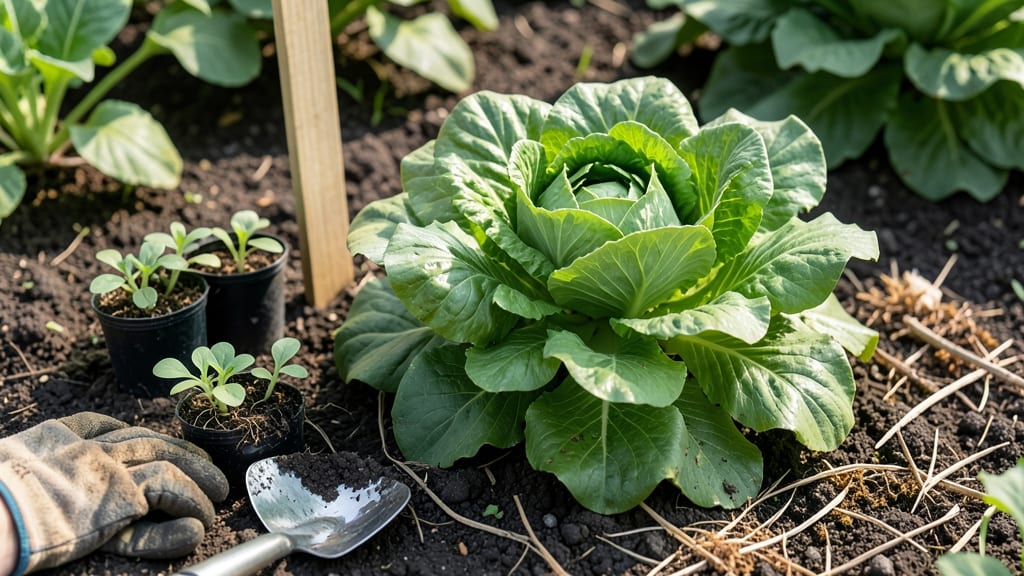
Fall lettuce planting timeline by USDA hardiness zones: exact months to avoid bolting
Timing your fall lettuce planting is key to avoiding bolting (when lettuce flowers prematurely) and ensuring tender leaves. The 4-6 weeks before first frost rule is your golden window—plant too early, and heat triggers bolting; too late, and frost ruins your crop.
Let’s break it down by USDA zones so you can pinpoint the perfect moment for your region.
First, check your average first frost date—this is your deadline. For example, in Zone 5, frost hits around October 15, so aim to plant by early September.
In Zone 8, where frost arrives later (around December 1), you can plant as late as mid-November. Use your local cooperative extension service for precise dates.
Next, focus on soil temperatures. Lettuce thrives when soil cools below 70°F. If your summer heat lingers, wait until late August or September to plant. Cool soil prevents bolting and encourages sweeter, more tender growth—perfect for fall harvests.
Now, let’s dive into the zone-specific timeline. The table below shows your ideal planting window, last possible date, and the cold-hardy varieties that work best in each zone. Adjust based on your microclimate (e.g., shaded areas stay cooler longer).
| USDA Zone | Ideal Planting Window | Last Possible Date | Cold-Hardy Varieties | Frost Protection Needed? |
|---|---|---|---|---|
| 3-4 | Late July to early August | Early September | Winter Density, Arctic King | Yes (row covers) |
| 5-6 | Mid-August to early September | Late September | Winter Density, Black Seeded Simpson | Yes (light frost) |
| 7-8 | Late August to mid-October | Early November | Romaine, Buttercrunch | No (mild frost) |
| 9-10 | September to November | Mid-December | Romaine, Oakleaf | No (rare frost) |
For Zone 3-4, where winters are harsh, prioritize Arctic King and Winter Density—these varieties survive 20°F temperatures. Use row covers or cold frames to shield them from light frosts. In Zone 5-6, Black Seeded Simpson is a top pick for its bitter flavor and resilience.
In warmer Zones 7-10, you can push your planting later. Romaine and Buttercrunch varieties handle mild frosts well, so you might even harvest through December. Just avoid planting after October 15 in these zones—cool nights and warm days create ideal bolting conditions.
Pro tip: If your first frost arrives early, opt for leaf lettuce (like Oakleaf) over head lettuce (like Iceberg). Leaf varieties mature faster and tolerate cooler temps better. Always plant in well-draining soil to prevent waterlogged roots, which weaken plants before winter.
Finally, succession planting every 2 weeks ensures a continuous harvest. For example, in Zone 6, plant your first batch in mid-August, then follow up in late August and early September to stagger maturity. This way, you’ll have fresh lettuce from October through December.
Remember, fall lettuce is all about balance—cool soil, timely planting, and the right variety. Get this right, and you’ll enjoy sweeter, crisper lettuce than any spring crop. Happy planting! 🥬
Cold-hardy lettuce varieties that thrive in fall: which ones won’t bolt or freeze
Not all lettuce varieties handle fall’s cooler temperatures equally. Some bolt at the first hint of frost, while others sweeten up and become even more delicious when exposed to light chills. The key is choosing cold-hardy varieties that can tolerate temperatures down to 20°F (-7°C) without freezing solid.
My top picks focus on loose-leaf types and romaines, which handle frost better than butterheads or crispheads.
For continuous harvests, prioritize varieties labeled as winter-hardy or frost-tolerant. These include Winter Density (a romaine that thrives in cold) and Arctic King (a leaf lettuce that stays crisp even after light frosts).
Both are slow to bolt, meaning they won’t rush to flower when days shorten—a common issue in fall plantings.
If you’re in a warmer climate (Zones 9-10), focus on heat-tolerant varieties like Jericho or Black Seeded Simpson, which handle mild fall temperatures better than traditional cold-hardy types. These varieties extend your harvest window by 4-6 weeks into cooler months.
| Variety | Cold Tolerance | Ideal Planting Window | Flavor Profile |
|---|---|---|---|
| Winter Density | 20°F (-7°C) | Late August–September | Sweet, crisp romaine |
| Arctic King | 15°F (-9°C) | September–October | Mild, tender leaves |
| Jericho | 30°F (-1°C) | Late July–August | Peppery, heat-resistant |
| Black Seeded Simpson | 25°F (-4°C) | August–September | Bold, slightly bitter |
| Winter Marvel | 10°F (-12°C) | September–October | Buttery, slow-bolting |
To protect your lettuce from light frosts, use row covers or straw mulch once temperatures dip below 30°F (-1°C). These methods add 2-4°F of insulation, keeping your greens edible for weeks longer.
For example, Winter Density can survive 20°F (-7°C) without protection, but a row cover extends its harvest by 3-4 weeks in marginal climates.
If you’re in Zone 5 or colder, opt for loose-leaf varieties like Salad Bowl or Parris Island Cos, which regrow after cutting and tolerate 10°F (-12°C).
These are ideal for succession planting—sow new seeds every 2 weeks in late summer to ensure a steady supply through fall.
Remember: Frost sweetens lettuce, but hard freezes kill it. Choose varieties based on your last frost date and microclimate. A sunny, sheltered spot stays warmer than a shaded area, giving your lettuce extra growing days before winter sets in.