
Plants
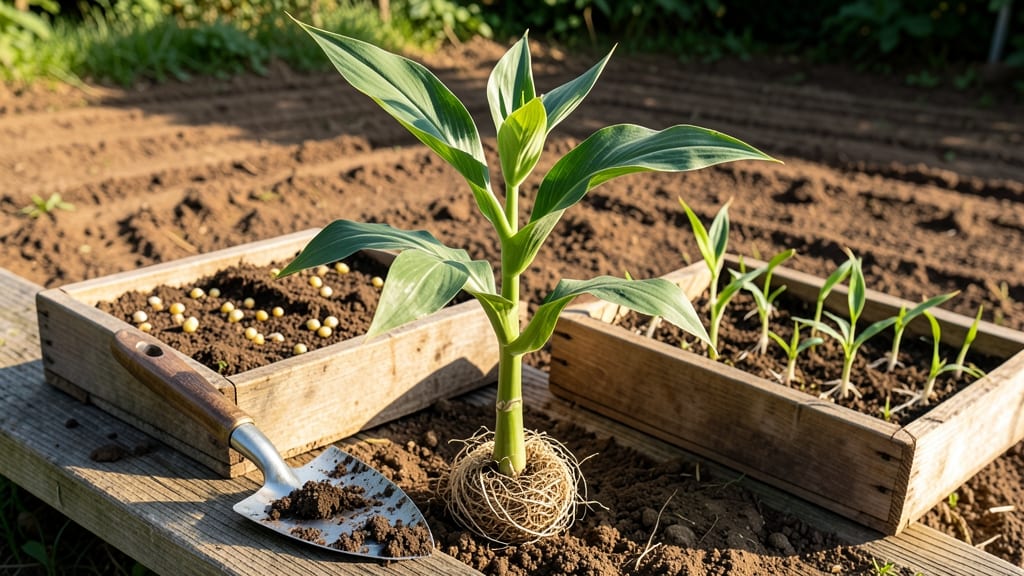
Planting mielies 🌽 at the wrong time in South Africa can mean the difference between a thriving crop and a total loss—especially when frost or drought strikes unexpectedly.
If you're dreaming of golden ears ready for harvest between December and May, timing is everything. The ideal planting window depends on your region—whether you're in frost-prone inland areas like the 9b highlands or the subtropical 10a/11a coastal zones where frost is rarely a threat.
I’ll break down the exact months to plant for your specific climate zone, plus the soil temperature and frost-free deadlines that separate successful harvests from wasted effort.
Ready to avoid common mistakes and maximize your yield? Let’s get your mielies in the ground at the perfect time.
Optimal soil temperature & frost-free deadlines for mielie planting in South Africa
Planting mielies (maize) in South Africa hinges on two critical factors: soil temperature and frost-free deadlines. Mielies thrive in soil that’s warmed to 15–20°C (59–68°F), with ideal germination occurring at 20–25°C (68–77°F).
Below 15°C, seeds rot; above 30°C, they dry out. South Africa’s diverse climate means these thresholds vary dramatically by region—from frost-prone highveld areas to frost-free coastal zones.
Frost is the silent killer of young mielie plants. In Gauteng and the Free State, the last frost typically occurs between mid-September and early October, while KwaZulu-Natal’s subtropical regions face little to no frost risk year-round.
The Western Cape’s inland areas (like Robertson) can experience late frosts until mid-October, while coastal regions like Cape Town are safe by September. Planting too early in frost-prone zones stunts growth or kills seedlings outright.
🌱
| Region | Last Frost Date | Optimal Planting Window | Soil Temp Threshold | Notes |
|---|---|---|---|---|
| Gauteng (Highveld) | Mid-Sept – Early Oct | Late Sept – Early Nov | 18–22°C | Use black plastic mulch to warm soil faster. |
| KwaZulu-Natal (Subtropical) | None (year-round) | Feb – March & Sept – Nov | 20–25°C | Plant early for summer harvests; late for winter. |
| Western Cape (Coastal) | None (coast) / Mid-Oct (inland) | Sept – Oct (coast) / Oct – Nov (inland) | 16–20°C | Inland areas need frost cloth for early plants. |
| Limpopo (Summer Rain) | Late Aug – Sept | Sept – Oct (align with rains) | 22–28°C | Drought-resistant varieties recommended. |
| Eastern Cape (Winter Rain) | None (coast) / Late Sept (inland) | Feb – March (coast) / Sept – Oct (inland) | 17–21°C | Irrigation critical for inland planting. |
For summer rainfall regions like Limpopo and Mpumalanga, align planting with the first consistent rains—typically September to October. These areas rely on natural rainfall for growth, so monitor weather forecasts. In contrast, winter rainfall zones (e.g., Western Cape) benefit from February–March plantings to capitalize on spring moisture.
Soil temperature isn’t just about frost avoidance—it’s about germination speed. In Gauteng’s cooler highveld, soil may only reach 15°C by late September, delaying germination by weeks.
Use a soil thermometer to confirm readiness; if temps dip below 18°C, opt for black plastic mulch or row covers to accelerate warming. In KwaZulu-Natal, where soil stays warm year-round, you can plant as early as August for summer harvests.
Pro tip: In frost-prone areas, plant mielies in raised beds—they warm up 3–5 days faster than in-ground soil. Add well-rotted compost to beds 2 weeks before planting to boost soil temperature naturally. For coastal regions, prioritize shade cloth during peak summer to prevent heat stress on young plants.
🌡️
Harvest timing also ties to planting deadlines. Early varieties (e.g., PAN 5539) mature in 90–100 days, while late varieties (e.g., PAN 6545) take 120+ days. Plant PAN 5539 by mid-October in Gauteng to harvest by January; delay until early November for a
Optimal soil temperature & frost-free deadlines for mielie planting in South Africa
South Africa’s diverse climate means mielie planting deadlines vary dramatically by region—from frost-prone highlands to subtropical coastal areas. The key factor? Soil temperature must reach 15–20°C for seeds to germinate reliably.
Plant too early, and frost will kill seedlings; too late, and drought or heat stress stunts growth. Let’s break down the frost-free planting windows for each major zone.
In summer-rainfall areas (e.g., Gauteng, Mpumalanga), aim for September–October when daytime temps hit 20–25°C. Coastal regions like KwaZulu-Natal can start as early as August, while Western Cape winter-rainfall zones require late-summer planting (February–March) to avoid frost.
Always check your local last frost date—most highveld areas experience frost until mid-October.
Soil temperature is your best predictor: Use a soil thermometer to confirm 15°C+ at 5cm depth. Cold soil delays germination by weeks. For example, in Pretoria, soil temps rarely exceed 15°C before mid-September, while Durban soils warm up by early August. This variability explains why early planting fails in frost-prone zones—seeds rot before sprouting.
| Region | Ideal Planting Window | Soil Temp Requirement | Last Frost Risk |
|---|---|---|---|
| Gauteng (Highveld) | Mid-September to October | 18–22°C | Mid-October |
| KwaZulu-Natal (Coastal) | August to September | 20–25°C | None (subtropical) |
| Western Cape (Winter Rain) | February to March | 16–20°C | April |
| Limpopo (Lowveld) | July to August | 22–28°C | None (hot climate) |
Pro tip: Use black plastic mulch to warm soil faster in highveld regions. This raises soil temps by 3–5°C, letting you plant 2–3 weeks earlier without frost risk. For coastal areas, prioritize drought-tolerant varieties like PAN 6545, as summer rains can be erratic.
Always plant after the last frost date—even a light frost (-1°C) can kill young seedlings.
In winter-rainfall zones (e.g., Western Cape), stagger planting in February–March to align with spring rains. Avoid late autumn planting—cool soils and April frost will devastate crops. For small-scale farmers, consider succession planting every 2 weeks in ideal zones to extend harvests from December to May.
Remember: Mielies need 90–120 days to mature. Planting in October in Gauteng ensures harvests by February, avoiding summer drought stress. Use a planting calendar to track your region’s deadlines—miss them, and you’ll face stunted growth or poor yields. 🌽