
Plants
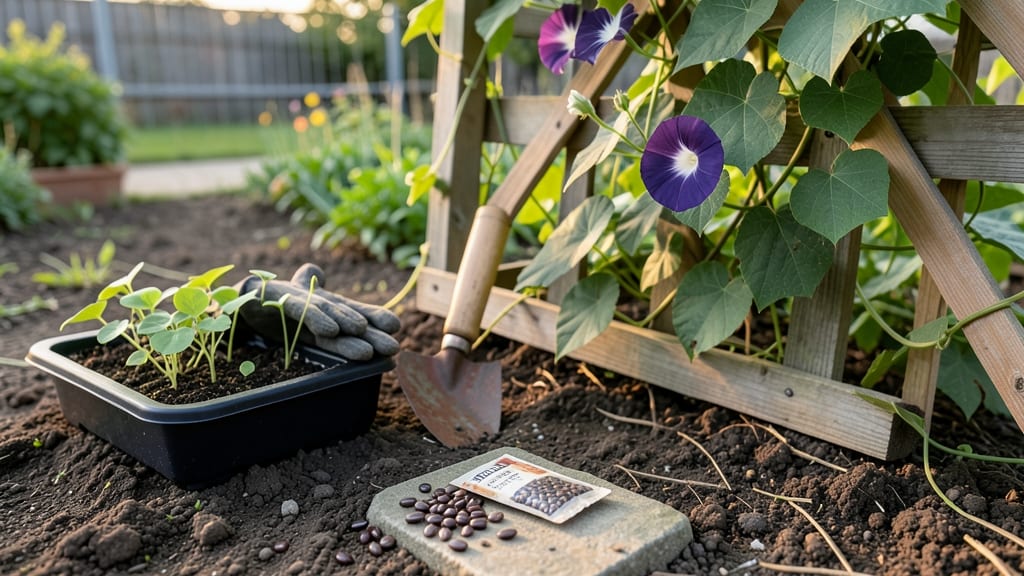
Texas morning glory planting zones: frost-free deadlines by region
Texas spans USDA Hardiness Zones 8a-11, meaning morning glories face wildly different frost risks from the Panhandle to the Rio Grande Valley. In North Texas (Zones 8a-8b), late frosts linger until mid-February, while South Texas (Zones 9b-11) rarely sees frost after January 1.
These differences dictate your planting window—and whether you’ll grow morning glories as annuals or perennials.
For annual varieties (most common), aim to plant 2-4 weeks after your last frost date. Perennials like Ipomoea quamoclit (cypress vine) may survive mild winters in South Texas, but they’re still treated as annuals in colder zones. The key? Soil temperature—seeds need 60°F+ to germinate reliably.
Here’s how to match your region’s frost-free timeline to morning glory success:
| Region | Last Frost Date | Ideal Planting Window | Heat Tolerance Notes |
|---|---|---|---|
| North Texas (Zones 8a-8b) | Mid-February | March 1–April 15 | Struggle in 100°F+ heat; use shade cloth |
| Central Texas (Zones 8b-9a) | Early February | February 20–April 1 | Thrive in 90–95°F with afternoon shade |
| South Texas (Zones 9b-11) | January 1 | January 15–March 31 | Handle 105°F+ with mulch and deep watering |
| West Texas (Zones 8a-9a) | Late February | March 15–April 1 | Drought-tolerant; plant near paved surfaces for heat reflection |
Pro tip: Use black plastic mulch in North Texas to warm soil faster, or straw mulch in South Texas to retain moisture during 100°F+ heatwaves. Both tricks expand your planting window by 1–2 weeks.
If you’re in Zone 10–11, you can even plant fall varieties (like 'Moonlight and Shadow') in September–October for winter blooms. Just avoid planting after August 15—seeds may rot in the oppressive humidity before germinating.
For container gardening, start seeds 4–6 weeks before your last frost in biodegradable pots to transplant directly into the ground. This gives delicate vines a 2-week head start against late-season pests like spider mites.
Remember: Morning glories are fast growers—they’ll climb 5–10 feet in 60 days. In Texas, that means June–October blooms if planted early. Miss the window, and you’ll miss the show!
🌸
Texas morning glory planting zones: frost-free deadlines by region
Texas spans multiple USDA hardiness zones (8a-11), meaning your morning glory planting window varies dramatically from the Panhandle to South Texas. In North Texas (Zones 7b-8a), frost can linger until mid-February, while South Texas (Zones 9a-11) often sees frost-free conditions by January 1st.
This variance means your last frost date could be a 6-week difference—critical for these heat-loving vines.
Morning glories are annuals in Texas, so timing matters for maximum summer blooms. Plant too early in North Texas, and frost will kill seedlings. Plant too late in South Texas, and your vines may struggle through 100°F+ heat waves before establishing.
The sweet spot? 2-4 weeks after your average last frost date, when soil temps hit 60°F+.
🌡️ Texas Morning Glory Planting Zones Comparison
| Region | USDA Zone | Avg. Last Frost | Ideal Planting Window | Heat Tolerance |
|---|---|---|---|---|
| North Texas | 7b-8a | Feb 15-March 1 | March 15-April 15 | Moderate (90°F+ stress) |
| Central Texas | 8a-8b | Feb 1-March 1 | March 1-April 15 | High (adapts to 100°F) |
| South Texas | 9a-11 | Jan 1-Feb 15 | Feb 1-March 31 | Very High (thrives in heat) |
Pro Tip: Use soil thermometers to confirm 60°F+ soil temps before planting—critical for fast germination in Texas' unpredictable springs. 🌱
For North Texas gardeners, aim to plant by April 15th to ensure 60+ days of blooming before summer's peak heat.
In Central Texas, you have a 2-week buffer—plant through mid-April for reliable blooms. South Texas gardeners can push planting to late March, but watch for sudden cold snaps (like the 2021 freeze) that can damage young vines.
Morning glories in Texas rarely survive winters, so treat them as annuals—but you can extend blooms year-round with successive plantings. In North Texas, sow new seeds every 2 weeks from March to June for non-stop color.
In South Texas, fall plantings in September can yield winter blooms before the first frost (usually November 15th).
One critical mistake Texas gardeners make? Planting too deep. Seeds need light to germinate—press them ½-inch deep max, or they’ll rot. Also, avoid rich compost in planting holes; morning glories thrive in poor soil and drought-like conditions once established.
The drier the soil, the more vibrant the blooms—a Texas gardener’s secret!
If you're in transition zones (e.g., Austin, San Antonio), monitor local weather forecasts for unusual frost warnings. Use row covers if nights dip below 40°F after planting. For container growing, move pots indoors during cold snaps—morning glories can tolerate brief chills but not prolonged frost.
With the right timing, your vines will climb and bloom from June to October, turning your fence or trellis into a living rainbow. 🌈