
Plants
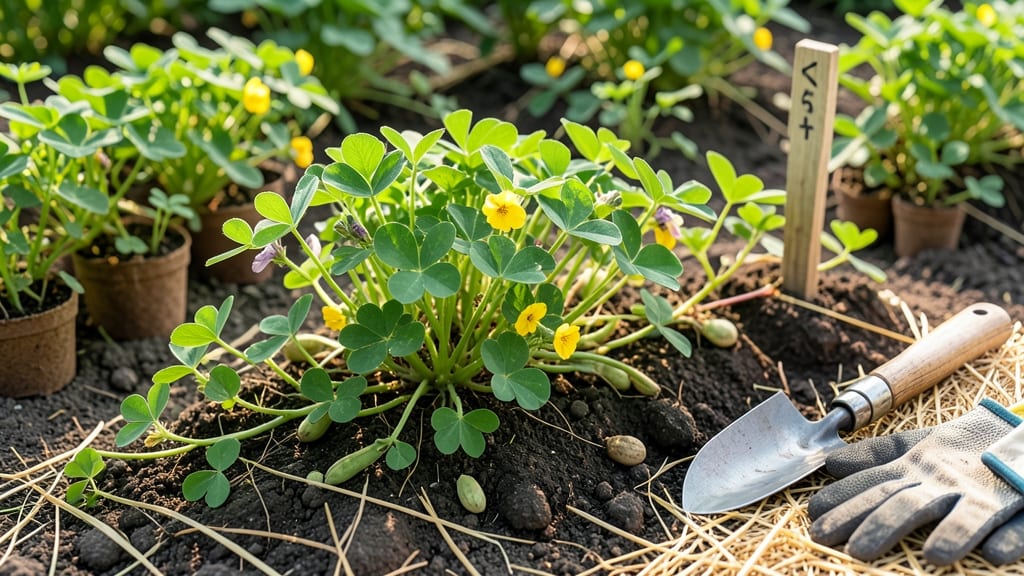
If you're dreaming of a bountiful harvest of 🥜 this fall, knowing when to plant peanuts in Georgia could make or break your success.
The state’s warm climate is perfect for these nutritious crops, but timing is everything—plant too early, and frost might still lurk; too late, and you risk missing the ideal growing window.
Peanuts thrive in Georgia’s 7a-9a zones, where the last frost typically passes by mid-April. That means your planting window opens wide from late April to early June, giving you plenty of time to prepare your soil and get seeds in the ground before summer heat sets in.
But here’s the catch: soil temperature matters just as much as calendar dates.
I’ll walk you through the exact months to plant, how to check soil readiness, and Georgia-specific tips to maximize yields. Whether you’re a backyard gardener or a small-scale farmer, these insights will help you avoid common pitfalls and set your peanuts up for success.
Ready to dig in? Let’s break down the best planting strategies for your region, from soil prep to post-planting care, so you can enjoy a harvest that’s as rewarding as it is delicious.
Georgia’s ideal peanut planting windows by region (with frost-free deadlines)
Georgia’s peanut-growing season hinges on three distinct regions, each with unique last-frost dates and soil temperature thresholds. North Georgia’s mountain foothills face earlier frosts, while South Georgia’s coastal plains enjoy extended growing seasons. Peanuts thrive when soil reaches 68°F+, making timing critical for germination and yield.
Central Georgia—often called the Peanut Belt—offers the most predictable conditions. Here, late April to early May is ideal, aligning with consistent 70°F+ soil and minimal frost risk.
South Georgia’s warmer climate allows planting as early as mid-March in some areas, while North Georgia gardeners should wait until mid-May to avoid frost damage.
Missed the window? Don’t panic. Staggered planting in early June can still yield peanuts, though harvest timing shifts later. The key is ensuring 120–150 frost-free days for mature pods to develop underground.
| Region | Last Frost Date | Ideal Planting Window | Soil Temp Threshold | Notes |
|---|---|---|---|---|
| North Georgia (Mountain Foothills) | Mid-April | Mid-May to early June | 68°F+ (consistent) | Higher elevation = cooler soils; use black plastic mulch. |
| Central Georgia (Peanut Belt) | Early April | Late April to early May | 70°F+ (minimum) | Optimal for commercial varieties like 'Georgia Red'. |
| South Georgia (Coastal Plains) | Mid-March | Late March to early April | 65°F+ (warmer soils) | Higher humidity; monitor for fungal diseases. |
For home gardeners, check the Georgia Climate Toolkit for your county’s frost data. Extension offices also provide localized soil temperature maps—a game-changer for precision planting. Pro tip: Use a soil thermometer to confirm readiness; peanuts won’t germinate below 68°F, even if the air is warm.
Regional microclimates matter too. Valley areas warm faster than ridges, so adjust planting dates accordingly. If your yard sits in a cold pocket, plant peanuts near a south-facing fence or use row covers to trap heat.
Missed the primary window? Try container growing. Peanuts thrive in 5-gallon pots with warm soil, letting you extend the season by 2–4 weeks. Just ensure pots have drainage holes to prevent root rot.
Remember: Peanuts need 120–150 days to mature. Planting too late risks immature harvests or frost damage before pods ripen. Use a planting calendar to track progress—Georgia’s Peanut Board offers free digital tools for timing.
Finally, soil preparation is non-negotiable. Test your soil’s pH (6.0–6.5) and amend with compost or lime if needed. Sandy, well-draining soil is ideal—peanuts hate soggy roots. Work in 2–3 inches of compost 2 weeks before planting to boost nutrients.
With the right timing and prep, Georgia’s peanut season can yield 2–3 pounds per plant—enough for snacking, cooking, or even selling at local markets. Start early, stay patient, and let the sun and soil do the rest. 🥜
How soil temperature and rainfall affect peanut germination in Georgia
Peanuts are warm-season crops that won’t germinate until soil temperatures reach a consistent 68°F or higher. In Georgia, this typically happens between late April and early May, but cooler North Georgia regions may need to wait until mid-May.
Planting too early in chilly soil leads to poor germination and stunted growth.
To check soil temperature, use a soil thermometer buried 2 inches deep. If readings dip below 65°F for more than a few days, delay planting. South Georgia’s sandy soils warm faster than Central Georgia’s clay-heavy soils, so adjust your timeline accordingly.
- Soil Temp: Must stay above 68°F for 7+ days
- Moisture: 1–1.5 inches/week (drought stress halts germination)
- Rainfall: Consistent showers in May-June boost yields
- Risk: Flooded soil causes rot; dry spells stunt sprouts
Georgia’s spring rainfall patterns play a critical role. Peanuts need moist but not soggy soil to germinate—too much rain can waterlog seeds, while too little causes pre-emergence stress. If April showers delay field readiness, opt for early-maturing varieties like ‘Georgia Red’ to compensate.
Adjust planting dates if Georgia’s unpredictable weather throws off your timeline. For example, if May rains keep soils saturated, shift planting to early June. Conversely, if drought hits in June, prioritize irrigation to keep soil moist during germination.
After seeds sprout, maintain even moisture to encourage strong peg growth (the underground stems where peanuts develop). Use drip irrigation or soaker hoses to avoid wetting foliage, which reduces fungal diseases like leaf spot.
Monitor foliage color as a germination cue: healthy seedlings should emerge in 7–14 days with green, lance-shaped leaves. If germination stalls after 2 weeks, check for soil compaction or pest damage (e.g., wireworms).