
How To
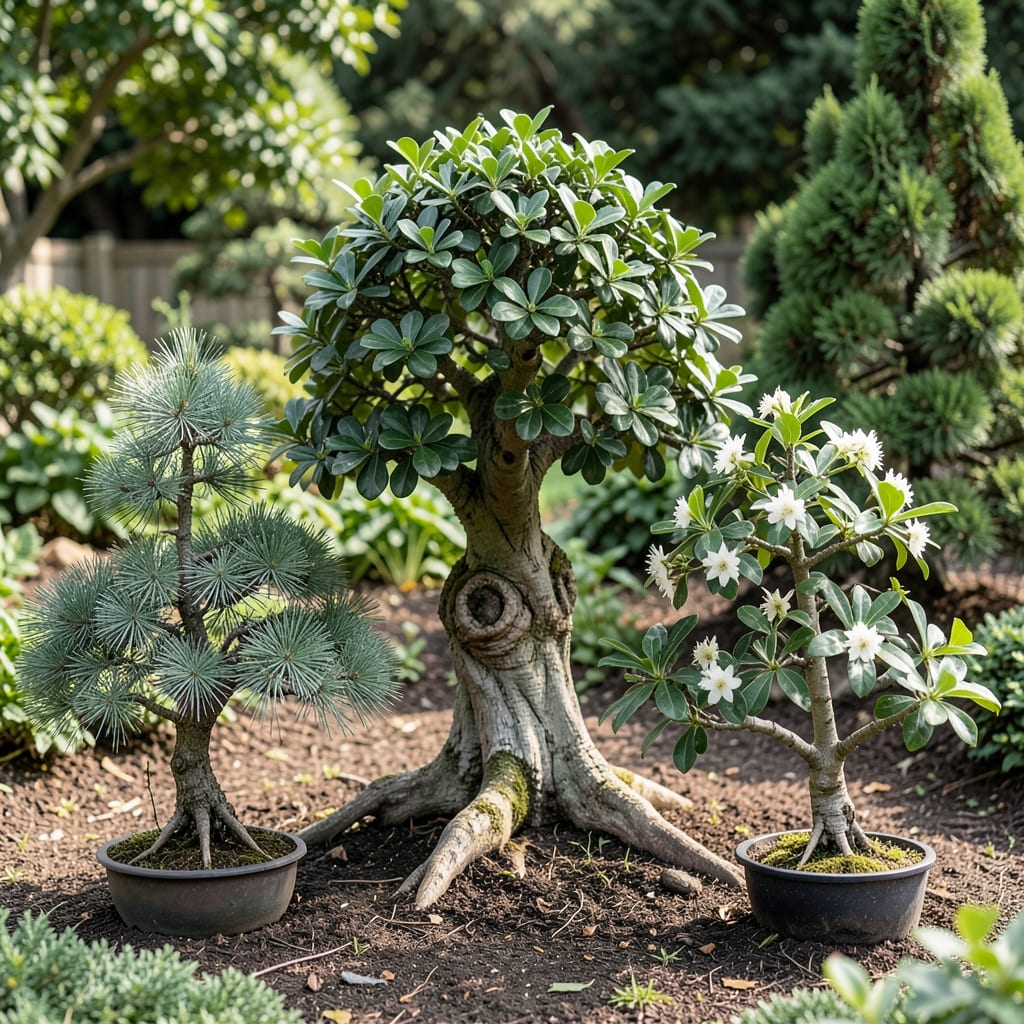
Natural height ranges of popular bonsai tree varieties
Bonsai trees are all about miniature mastery, but their natural height ranges vary wildly depending on the species. While most bonsai stay between 1-3 feet tall, some varieties can reach 6+ feet in their wild state—before pruning transforms them into desktop wonders. Understanding these ranges helps you choose the right tree for your vision and space.
For example, a Juniper bonsai—one of the most popular choices—typically tops out at 2-3 feet when trained as a bonsai, but its wild counterpart can grow over 50 feet. The key is selecting a dwarf variety or using aggressive pruning techniques to control its growth from the start.
Here’s how some of the most beloved bonsai species compare in their mature bonsai height versus their wild counterparts:
| Variety | Wild Height | Bonsai Height | Notes |
|---|---|---|---|
| Japanese Maple (Acer palmatum) | 20-30 ft | 1-2 ft | Slow grower; ideal for autumn foliage displays. |
| Ficus (Ficus retusa) | 50-60 ft | 1.5-3 ft | Fast-growing; forgiving for beginners. |
| Juniper (Juniperus procumbens) | 50+ ft | 1-2.5 ft | Classic choice; thrives in cooler climates. |
| Pine (Pinus spp.) | 60-100 ft | 2-4 ft | Needs winter dormancy; great for textured trunks. |
| Azalea (Rhododendron) | 10-20 ft | 1-2 ft | Loves acidic soil; blooms in spring. |
| Chinese Elm (Ulmus parvifolia) | 40-50 ft | 1.5-3 ft | Tough bark; handles urban pollution well. |
| Serissa (Serissa foetida) | 3-5 ft | 6-12 in | Dwarf variety; perfect for tiny pots. |
| Olive (Olea europaea) | 30-50 ft | 2-3 ft | Drought-tolerant; silver-blue foliage. |
| Carmona (Davidsonia jerffreyana) | 10-15 ft | 1-2 ft | Indoor-friendly; small white flowers. |
| Chinese Quince (Chaenomeles speciosa) | 10-15 ft | 1.5-2.5 ft | Thorns; spring blooms in pink/red. |
If you’re aiming for a tabletop bonsai, focus on varieties like Serissa or dwarf Juniper, which naturally stay under 12 inches. For a statement piece, a Ficus or Chinese Elm can reach 3 feet while still maintaining a refined look. Always start with a young tree—mature bonsai are harder to reshape!
Pro tip: Dwarf varieties are bred specifically for bonsai, but even standard trees can be pruned to stay small. The secret? Consistent pruning and root restriction from the get-go. For instance, a 5-year-old Ficus left unpruned could grow 6 feet tall in a garden, but as a bonsai, it’ll stay under 2 feet with regular care.
Remember, the smaller the pot, the slower the growth. A 6-inch pot limits roots, which in turn restricts height. Pair that with seasonal pruning
How pruning and training techniques control bonsai height
Pruning isn't just about trimming branches—it's the secret weapon for controlling your bonsai's height. With the right techniques, you can keep a 3-foot Ficus at 12 inches tall or sculpt a Pine into a miniature mountain. The key is understanding when and how to prune, whether you're a beginner or a seasoned grower. Let’s break down the essential methods to maintain your desired height.
First, defoliation—removing leaves—stimulates smaller, denser foliage and slows vertical growth. For example, a Juniper bonsai defoliated in spring will produce tiny needles instead of long shoots. Pair this with root pruning every 2-3 years to restrict root expansion, which directly limits trunk and branch growth. Think of it like putting your bonsai on a growth diet—less root space means less upward energy.
🌱 Key Pruning Techniques for Height Control
- Defoliation: Remove leaves to encourage smaller, denser foliage and slow vertical growth.
- Root Pruning: Trim roots every 2-3 years to restrict growth and maintain pot size.
- Wiring: Gently bend branches into desired shapes; remove wires after 3-6 months to avoid scarring.
- Pinching: Snip new growth tips to redirect energy into thicker branches instead of height.
- Seasonal Trimming: Prune in late winter/early spring for new growth control.
Wiring is another powerful tool for shaping your bonsai’s height. By carefully wrapping branches with aluminum or copper wire, you can guide them into horizontal or downward growth patterns. For instance, a Chinese Elm with upward-growing branches can be wired to create a cascade style, reducing its overall height while adding visual interest. Always remove wires once the branch holds its new shape—usually after 3-6 months—to prevent permanent damage.
Timing matters too. Prune your bonsai in late winter or early spring to encourage healthy new growth for the season. Avoid heavy pruning in summer or fall, as this can stress the tree and lead to uncontrolled height spikes as it compensates. For example, a Ficus bonsai pruned in summer might shoot up 6 inches in a single season if not managed properly.
Don’t forget about pot size—it’s just as critical as pruning. A 6-inch pot will keep a bonsai smaller than a 12-inch pot, even with the same pruning schedule. For ultra-dwarf bonsai, like Serissa, use pots no larger than 4 inches in diameter. Pair this with regular root pruning, and you’ll have a bonsai that stays under 12 inches for years.
Finally, patience is key. A bonsai isn’t an overnight project—it’s a lifelong relationship. If you’re starting with a mature tree, expect to spend the first year or two focusing on root and branch restructuring before fine-tuning its height. With consistent care, your bonsai will reward you with perfect proportions and a miniature masterpiece that fits your vision.