
Companion Plants
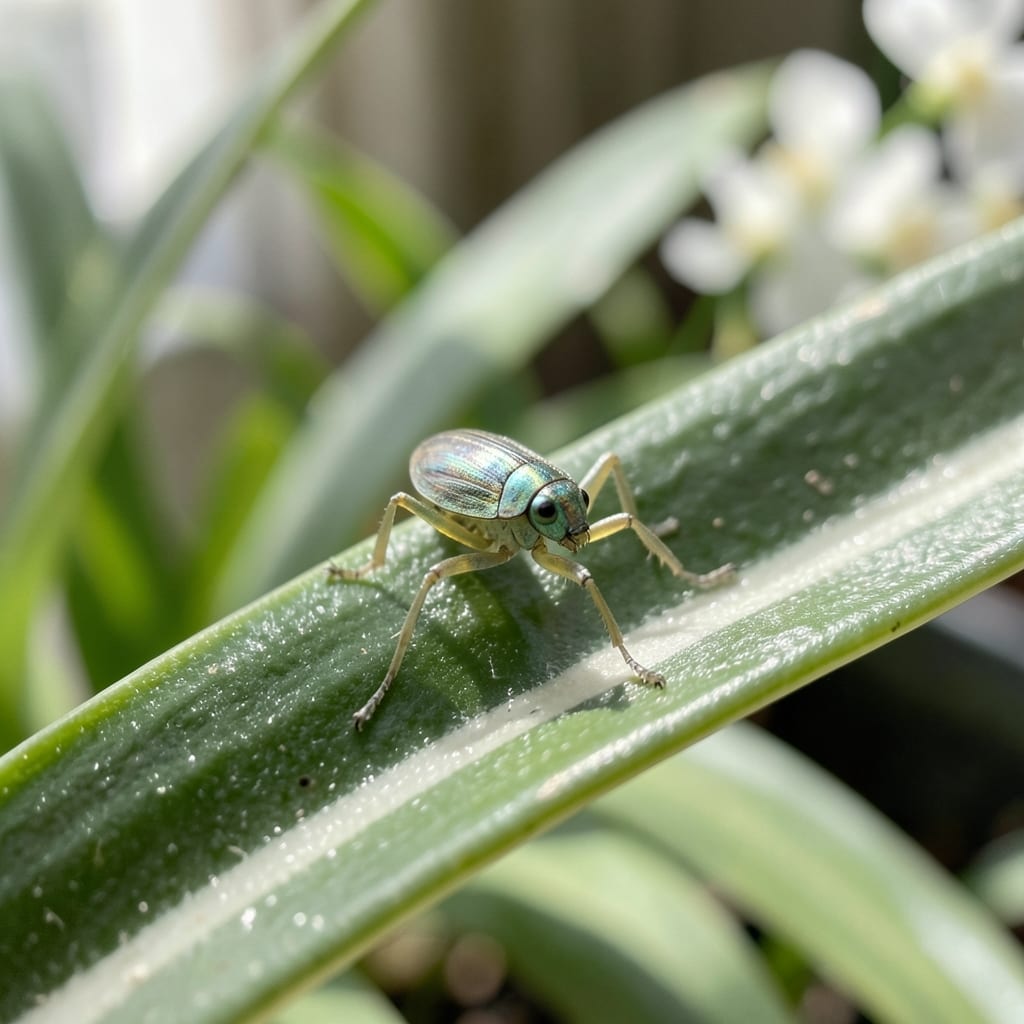
If you’re wondering how much light should a spider plant get, the answer might be simpler than you think—it’s all about finding the right balance. These hardy plants thrive in bright indirect sunlight, but too little or too much can send them into a downward spiral.
Most people assume Spider Plants are low-maintenance, but light exposure is the key to keeping them lush and vibrant. Whether you're dealing with leggy stems or fading variegation, understanding their needs can make all the difference in your plant's health.
In this guide, I’ll break down exactly how much light your Spider Plant needs—from ideal spots in your home to signs of over- or under-exposure. You’ll learn how to position it near windows, adjust for seasonal changes, and troubleshoot common issues.
Ready to give your Spider Plant the perfect lighting conditions? Let’s dive in and transform those brown tips into healthy, thriving foliage—without the guesswork.

Ideal light conditions for spider plant growth: bright indirect sunlight explained
Spider plants thrive in bright indirect sunlight, making them perfect for homes with moderate natural light. Unlike sun-loving plants, they despise harsh direct sun rays that can scorch delicate leaves. The key is finding that sweet spot where light is plentiful but diffused—think dappled shade under a tree rather than full midday sun.
In nature, these plants grow under canopy cover in tropical regions, receiving filtered light through leaves above. Recreating this environment indoors is simple: position your spider plant near east or west-facing windows where sunlight is gentle. South-facing windows can work too, but only if the plant is placed 3-5 feet away to avoid intense afternoon rays.
Light intensity is measured on a scale from 1 (low) to 10 (direct sun). Spider plants prefer a 4-6 range, which translates to bright rooms without harsh sunlight. A good test: if you can read a book comfortably in the same spot, the light is likely ideal. Too little light (<3) leads to leggy growth, while too much (>7) causes brown leaf tips.
| Light Condition | Intensity (1-10) | Ideal Placement Indoors | Growth Effect |
|---|---|---|---|
| Low Light | 1-3 | North-facing window or 8+ feet from south window | Leggy growth, pale leaves, fewer spiderettes |
| Moderate Light | 4-6 | East/west window or 3-5 feet from south window | Healthy green leaves, strong stems, abundant spiderettes |
| Bright Direct Sun | 7-10 | South-facing window without filter or outdoor full sun | Brown crispy tips, yellowing, leaf burn |
For variegated spider plants (with white stripes), light requirements are slightly higher. These cultivars need more indirect light (6-7 on the scale) to maintain their striking patterns. Without enough light, the white stripes fade to green, losing their visual appeal. A simple trick: rotate your plant quarter-turn weekly to ensure even light exposure on all sides.
Outdoor growers can place spider plants in partial shade gardens, especially in hot climates. In USDA Zone 8-10, they tolerate morning sun but need afternoon shade. Always introduce outdoor plants to sunlight gradually—start with 1-2 hours of morning sun and increase by 30 minutes daily to avoid shock.
Artificial grow lights are a great backup for rooms with poor natural light. Use LED grow lights with a 5000-6500K color temperature and place them 6-12 inches above the plant for 12-14 hours daily. This mimics the bright indirect light they crave, preventing the stretchy, weak growth that plagues low-light conditions.
Watch for leaf color changes as your spider plant’s light barometer. Dark green leaves with no variegation signal low light, while yellow or brown patches indicate too much sun. The goal is consistent, even light—avoid moving the plant frequently, as this stresses the roots and causes erratic growth patterns.
Pro tip: Place your spider plant near a sheer curtain on south-facing windows. This diffuses harsh rays while still allowing plenty of light through. Test your setup by observing the plant’s response over 2-3 weeks. Healthy growth means you’ve nailed the light balance!
Remember, spider plants are forgiving—they’ll survive in less-than-ideal light but won’t thrive. Give them the bright indirect sunlight they deserve, and you’ll be rewarded with lush foliage and endless spiderettes to propagate.
Ideal light conditions for spider plant growth: bright indirect sunlight explained
Spider plants (Chlorophytum comosum) thrive in bright indirect sunlight, making them perfect for indoor spaces. These plants naturally grow under the dappled shade of trees in their native South Africa, so they prefer filtered light rather than harsh direct rays. Too little light leads to leggy, weak growth, while too much causes brown leaf tips or sunburn.
Position your spider plant 2-3 feet away from an east or west-facing window—these spots provide gentle morning or afternoon light without intense midday sun. North-facing windows work too, but growth may slow down. South-facing windows are riskier unless you add a sheer curtain to diffuse the light.
Here’s how to spot the perfect light balance:
- Healthy leaves: Bright green with bold variegation (white/yellow stripes)
- Growth pattern: Compact, upright stems with short internodes (spaces between leaves)
- Spiderettes: Frequent production of those adorable baby plantlets
🌱 Spider Plant Light Requirements Summary
| Light Condition | Ideal Placement | Growth Result |
|---|---|---|
| Bright Indirect | East/west window, 2-3 ft away | Vibrant variegation, healthy spiderettes |
| Low Light | North window or room corner | Leggy growth, faded stripes |
| Direct Sun | South window without filter | Brown tips, crispy edges |
Rotate your plant quarter-turn every 2-3 weeks to ensure even light exposure. This prevents one-sided growth and keeps those pretty variegated leaves looking their best. If you notice stretched-out leaves, it’s a sign your plant needs more light—try moving it closer to a window or adding a grow light for 4-6 hours daily.
For outdoor growers, spider plants can handle partial shade in gardens, but they’ll reward you with more vibrant colors and frequent spiderettes when placed in morning sun with afternoon shade. Just avoid hot afternoon rays, which can scorch the leaves.
Remember: Consistency is key. Spider plants adapt slowly to light changes, so adjust their position gradually over 1-2 weeks to avoid shocking the plant. With the right light, your spider plant will thrive for years, producing those charming spiderettes that make propagation a breeze! 🪴