
Plants
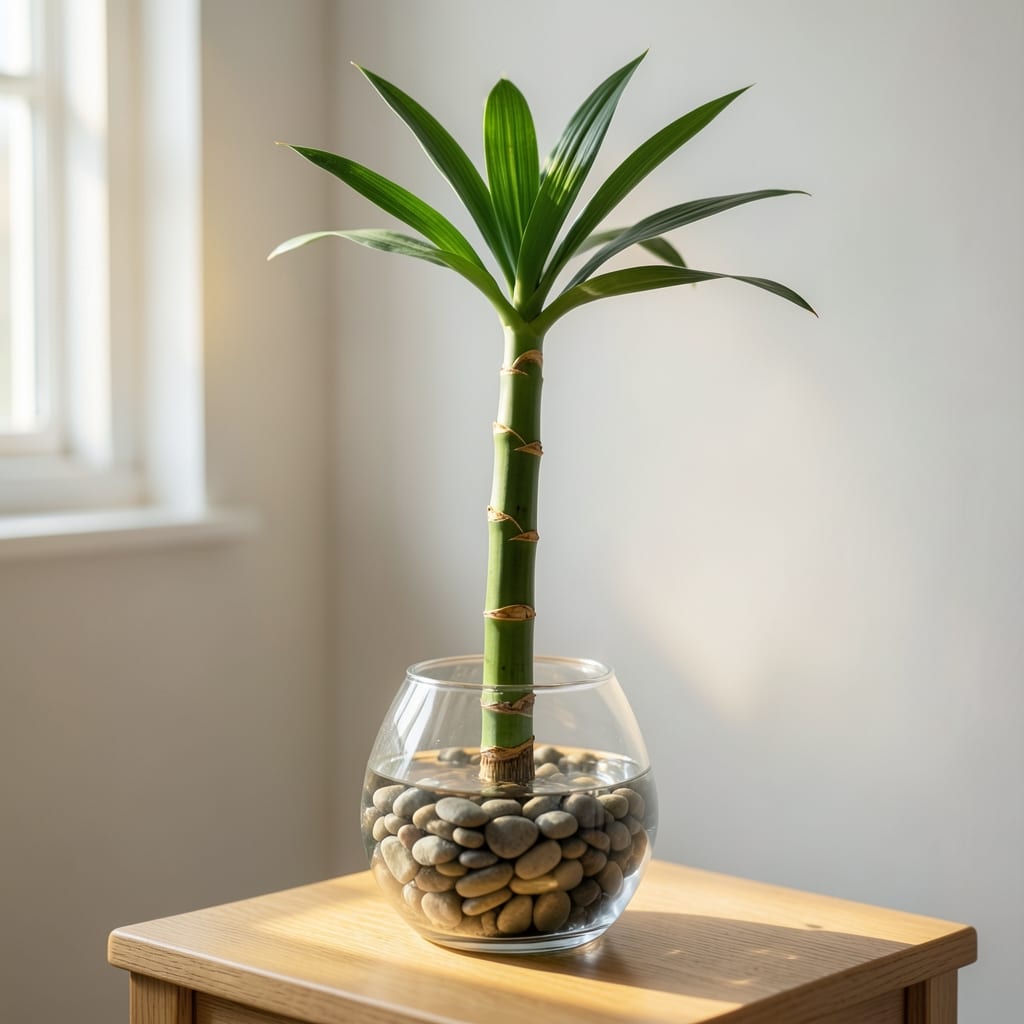
If you’ve ever wondered how tall do bamboo plants grow, you’re not alone—this fast-growing 🌿 can be both a dream and a nightmare in your garden. Some varieties shoot up to 100 feet, towering over your fence like a jungle escapee, while others stay compact enough for pots on a patio. The key difference? Running vs. clumping bamboo, and how you manage it before it takes over.
I’ve seen bamboo transform yards in just a few years, but I’ve also watched it become an unruly beast when left unchecked. The good news? With the right species and a few simple tricks—like root barriers or strategic pruning—you can enjoy its beauty without the chaos. Whether you’re after a privacy screen or a low-maintenance accent plant, knowing your options makes all the difference.
Let’s break down the fastest-growing species, how to keep them in check, and why that myth about 3 feet of growth per day is (mostly) exaggerated. By the end, you’ll know exactly which bamboo fits your space—and how to keep it from fitting too well.
Ready to turn your yard into a bamboo oasis without the overgrowth? Here’s what you need to know to grow it smart, not sorry.


Bamboo height by species: fastest-growing varieties reach 100+ feet
Bamboo’s height can vary wildly—from 3-foot dwarf varieties to towering giants that reach 100 feet or more. The difference often comes down to whether it’s a running or clumping type. Running bamboo, like Phyllostachys species, spreads aggressively via underground rhizomes and can shoot up to skyscraper heights. Clumping bamboo, such as Bambusa multiplex, stays put and tops out at 15-25 feet.
If you’re after a privacy screen, the Phyllostachys bambusoides (Moso bamboo) is a top pick, hitting 60-100 feet in ideal conditions. For smaller spaces, Bambusa ventricosa (Ventricosa bamboo) stays under 8 feet and thrives in pots. The key? Choose the right species for your yard’s size and your patience level.
Here’s a quick reference for the most popular bamboo varieties and their mature heights:
| Variety | Type | Mature Height | Spread | Best For |
|---|---|---|---|---|
| Phyllostachys bambusoides (Moso) | Running | 60-100 ft | Aggressive | Privacy screens, large properties |
| Bambusa multiplex (Thunderhead) | Clumping | 15-25 ft | Controlled | Small yards, containers |
| Bambusa ventricosa (Ventricosa) | Clumping | 3-8 ft | Compact | Patios, balconies, bonsai |
| Phyllostachys aureosulcata (Yellow Groove) | Running | 30-50 ft | Moderate | Medium-sized yards, hedges |
| Fargesia nitida (Umbrella bamboo) | Clumping | 6-10 ft | Controlled | Shady areas, woodland gardens |
The Phyllostachys genus is famous for its rapid vertical growth. Some varieties, like Phyllostachys vivax, can add 3-6 feet per year under ideal conditions. That’s why they’re often used for quick privacy screens—but also why they need strict containment if you don’t want them spreading like wildfire.
Clumping bamboo, on the other hand, grows in tight clusters and rarely sends out aggressive rhizomes. This makes them ideal for small gardens or container growing. For example, Bambusa multiplex (Thunderhead bamboo) stays under 20 feet and spreads only 3-5 feet per year, making it a breeze to manage.
If you’re wondering how long it takes to reach maturity, most bamboo species take 3-5 years to hit their full height. However, some fast-growing varieties like Phyllostachys edulis (a popular edible bamboo) can shoot up 10 feet in just one growing season. Patience is key—especially if you’re planting for a quick privacy solution.
One common misconception is that all bamboo grows extremely tall. In reality, dwarf varieties like Bambusa ventricosa are perfect for patio pots or indoor decor. These stay under 8 feet and are often used in bonsai-style gardens. The trick? Research before you plant—once established, moving bamboo is nearly impossible.
For those in urban areas or with HOA
How to control bamboo growth: 5 space-saving hacks for small yards
If you love bamboo’s lush greenery but dread its aggressive spread, don’t worry—there are proven ways to keep it contained without sacrificing its beauty. The key is choosing the right containment methods based on your bamboo type. Running bamboo (like Phyllostachys) needs physical barriers, while clumping varieties (like Bambusa multiplex) can often thrive in large pots with minimal effort.
I’ve tested these techniques in my own yard, and the results speak for themselves. A 3-foot root barrier can stop a 100-foot giant in its tracks, while container gardening keeps even the tallest species manageable. The best part? These methods work for urban gardens, HOA-friendly yards, and even balcony setups. Let’s dive into the most effective strategies to keep your bamboo beautifully controlled.
Here’s a quick comparison of the top 5 containment methods, including their pros and cons:
🪴 Container Gardening
- Perfect for clumping bamboo or dwarf varieties
- Easy to move or overwinter indoors
- No risk of rhizome spread
- Requires large pots (15+ gallons) for tall species
- Needs frequent watering in containers
- Not ideal for running bamboo (will still spread)
🛡️ Root Barriers
- Stops running bamboo rhizomes cold
- Long-lasting (HDPE barriers last 20+ years)
- Works for in-ground planting
- Requires deep installation (30+ inches)
- Can be expensive ($100-$300 per plant)
- Must be buried before planting
✂️ Regular Pruning
- Encourages bushier growth (not taller)
- Keeps bamboo neat and manageable
- Can reduce height by 30-50% with yearly cuts
- Time-consuming (best done twice a year)
- Requires sharp pruning tools
- Doesn’t stop rhizome spread
🌱 Soil Restriction
- Uses clay or sand layers to limit root growth
- Cheaper than physical barriers ($20-$50)
- Works well for small yards
- Less effective for aggressive runners
- Requires digging and layering
- May need replenishing over time
💊 Chemical Growth Inhibitors (Tamesite)
- Slows rhizome spread by 90%
- Long-term solution (5+ years of control)
- Works for both running and clumping types
- Contains arsenic (use with caution)
- Expensive ($50-$100 per treatment)
- Requires professional application