
How To
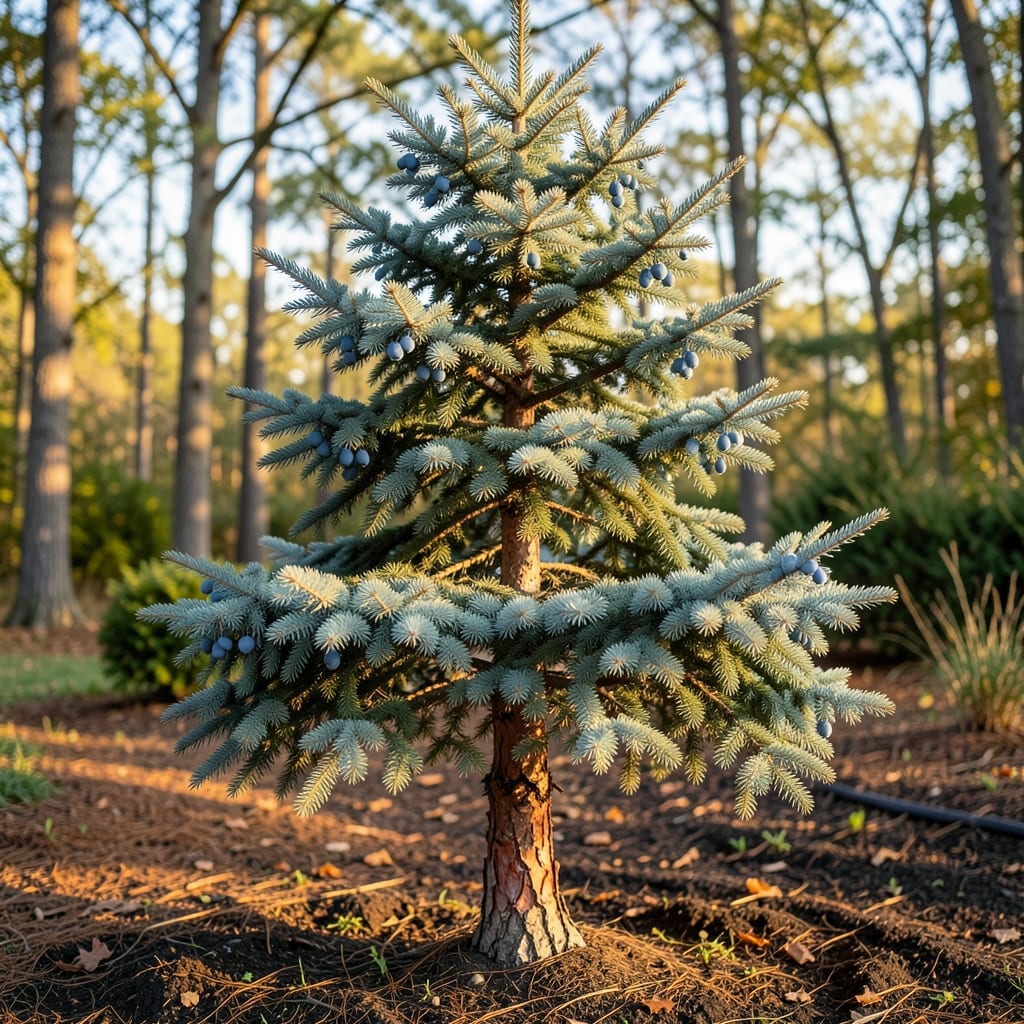
Wondering how tall can a cedar tree grow before it becomes a backyard giant? Some varieties stretch toward the sky like natural skyscrapers, while others stay compact enough for small spaces. The difference comes down to species, growing conditions, and a little strategic planning.
If you're dreaming of a 🌲 Cedar Tree that provides shade for generations, you'll want to know which types reach 40 feet or more—and which stay under 15 feet. The right choice depends on your space, climate (especially in USDA Zone 6a), and how much maintenance you're willing to handle.
Planting in late winter or early spring gives your cedar the best start, but even the most careful gardener can't control everything. Soil drainage, sunlight exposure, and pruning habits all play a role in determining whether your tree will grow tall or stay manageable.
Let's break down the height ranges by species, the factors that influence growth, and how to keep your cedar at your desired size—whether that means towering elegance or a neatly trimmed shrub. You'll leave here with a clear plan for your perfect cedar tree.


Cedar tree height limits by species: from dwarf to sky-scratching giants
Cedar trees are famous for their aromatic wood and striking foliage, but their height potential varies wildly depending on the species. Some varieties grow tall enough to rival redwoods, while others stay small enough for urban gardens. Knowing these differences helps you choose the perfect cedar for your space—whether you want a shade-providing giant or a low-maintenance shrub.
For example, the Eastern Red Cedar can reach 40 feet in ideal conditions, while the Dwarf Blue Atlas Cedar stays under 8 feet. The right choice depends on your yard size, climate, and how much height you’re comfortable managing over decades. Let’s explore the most popular cedar species and their mature heights.
Below, you’ll find a quick reference table comparing common cedar varieties, their typical heights, and growth habits. This helps you visualize which species will fit your landscape without overpowering it.
| Variety | Mature Height | Growth Rate | Best For |
|---|---|---|---|
| Eastern Red Cedar | 30–40 ft | Moderate | Large yards, privacy screens |
| Atlas Cedar | 40–60 ft | Slow to moderate | Spacious properties, windbreaks |
| Deodar Cedar | 50–70 ft | Slow | Mature gardens, statement trees |
| Dwarf Blue Atlas Cedar | 6–10 ft | Very slow | Small yards, containers, borders |
| Green Spire Cedar | 15–25 ft | Moderate | Medium yards, hedges |
| Emerald Sentinel Cedar | 12–18 ft | Slow | Urban landscapes, small gardens |
The Atlas Cedar and Deodar Cedar are the tallest, often topping 50 feet in ideal conditions. These are best for large properties where you want a dramatic focal point or windbreak. On the other hand, the Dwarf Blue Atlas Cedar and Emerald Sentinel are perfect for small spaces, offering all the benefits of cedars—like drought tolerance and low maintenance—without the height.
If you’re in USDA Zone 6a, like many gardeners in the Midwest, you’ll find that cedars like the Eastern Red Cedar thrive with minimal care. These trees grow steadily but predictably, making them ideal for long-term landscaping plans. Just remember: even a slow-growing tree like the Deodar Cedar can outgrow your space if not monitored.
Choosing the right species isn’t just about height—it’s also about foliage color, growth habit, and how well it fits your climate. For example, the Green Spire Cedar has a narrow, columnar shape, making it great for tight spaces where a wide tree wouldn’t work. Meanwhile, the Atlas Cedar has a broader canopy, perfect for providing shade over patios or play areas.
Before planting, measure your yard and visualize how tall your cedar will be at maturity. A 40-foot tree planted near your house might cast unwanted shade on windows or block views. Use the table above as a starting point, then adjust based on your specific conditions—like soil quality and sunlight exposure.
Next, we’ll dive into the key factors that influence how tall your cedar tree grows, so you can make an educated guess about its future height based on where you live and how you care for it.
How to predict your cedar tree’s height before planting: key factors
Predicting how tall your cedar tree will grow isn’t just guesswork—it’s a science based on soil conditions, climate, and even how you prune it. While some varieties like the Atlas Cedar naturally reach 60 feet, others like the Dwarf Blue Atlas Cedar stay under 10 feet with proper care. The difference often comes down to these four critical factors.
First, soil drainage plays a huge role. Cedar trees hate soggy roots, which can stunt growth or even kill the tree. Amend heavy clay soil with compost or sand to improve drainage. In USDA Zone 6a, where winters are cold, well-draining soil helps roots establish quickly in spring, setting the stage for faster growth.
Next, consider your climate zone. Cedar trees thrive in full sun but can struggle in humid climates without airflow. If you’re in a hot, dry region, mulch around the base to retain moisture while preventing root rot. In cooler zones, cedars grow more slowly but live longer, often reaching their mature height over decades.
- 🌱 Soil Drainage: Well-draining soil = faster growth; waterlogged soil = stunted growth
- ☀️ Sunlight Exposure: 6+ hours of sun daily maximizes height potential
- 📏 Spacing: Plant at least 10–15 feet apart for tall varieties to avoid root competition
- ✂️ Pruning: Regular pruning can reduce height by 20–30% if done annually
- 🌡️ Climate: Cooler zones slow growth; hot, dry climates may require extra watering
Spacing is another often-overlooked factor. Planting a 40-foot Atlas Cedar too close to your house or fence can lead to overcrowding, which slows growth and stresses the tree. As a rule, give tall cedars at least 10–15 feet of space from structures and other plants. For dwarf varieties like the Emerald Sentinel, 6–8 feet is usually enough.
Pruning might seem counterintuitive if you want a tall tree, but strategic cuts can actually control height while encouraging a fuller canopy. Prune in late winter or early spring before new growth begins. Focus on removing suckers at the base and overcrowded branches to redirect energy upward. If you skip pruning, your cedar may grow wider instead of taller, especially in fast-growing varieties like the Eastern Red Cedar.
Finally, don’t underestimate the power of fertilization. While cedars are low-maintenance, a light application of balanced fertilizer (10-10-10) in early spring can boost growth by 10–20%. Avoid over-fertilizing, though—too much nitrogen can make the tree grow too fast, leading to weak wood and disease susceptibility. For most cedars, feeding every 2–3 years is plenty.
By combining these factors, you can estimate your cedar’s height with surprising accuracy. For example, a Deodar Cedar in well-draining soil with full sun and minimal pruning might reach 60 feet in 30 years, while the same tree in poor soil or partial shade could stay under 40 feet. Use this knowledge to plan your landscape—and avoid surprises down the road.