
Trees
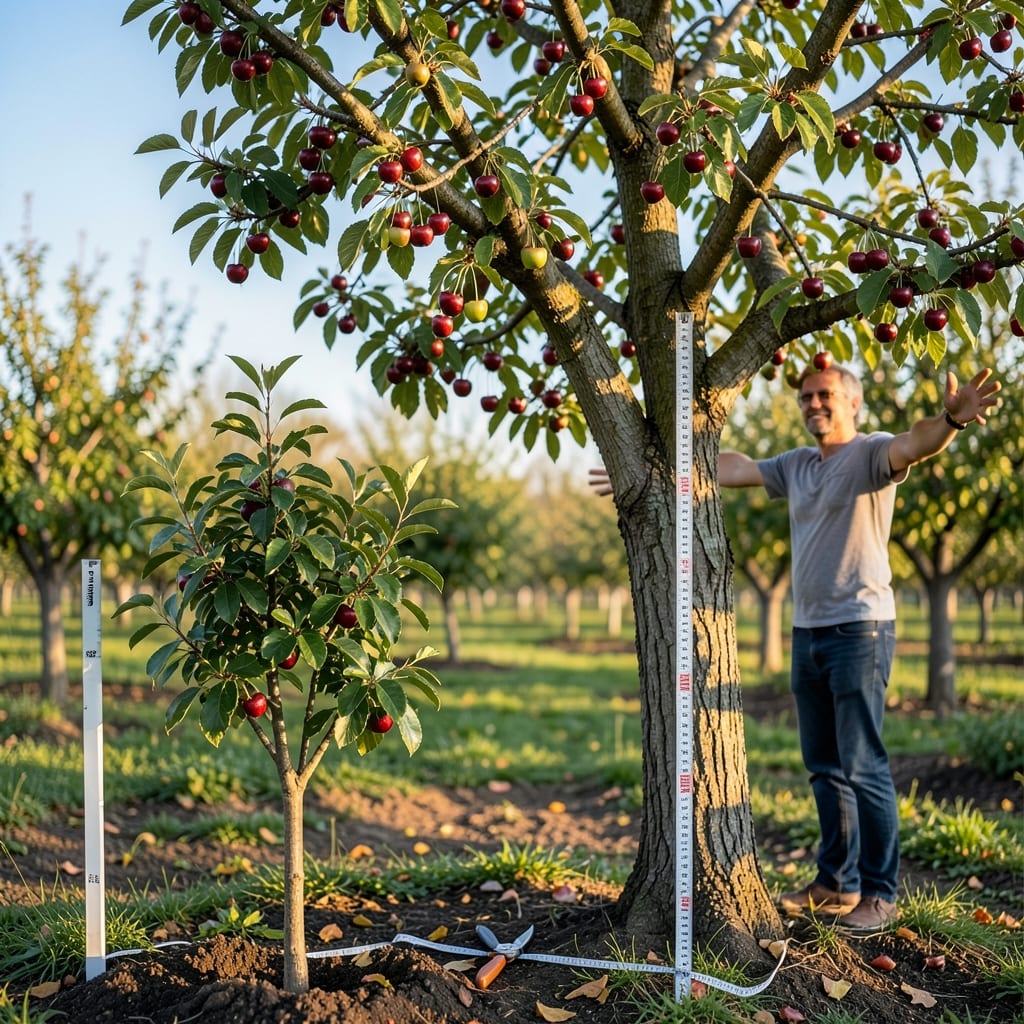
Wondering how tall can a cherry tree grow before it outgrows your backyard? The answer might surprise you—these stunning 🌸 trees can stretch from compact 6-foot dwarfs to towering 60-foot giants, depending on the variety and care you provide.
If you're dreaming of lush cherry blossoms or juicy summer fruit, choosing the right type is the key to fitting one into your space. Some varieties stay manageable with proper pruning, while others reach heights that rival two-story houses. Let’s break down what influences their growth and how you can control it.
From sweet Bing cherries to tart Montmorency varieties, each has its own growth potential. The good news? With the right techniques, you can keep even large varieties in check. Discover how soil, climate, and pruning habits play a role in determining whether your cherry tree stays small or soars skyward.
Whether you have a cozy urban patio or a sprawling rural plot, there’s a cherry tree perfect for your space. I’ll walk you through the best options for small yards and how to manage height—so you can enjoy those delicious cherries without sacrificing your garden’s layout.


Cherry tree height variations: from dwarf to giant varieties
Cherry trees are nature’s size-chameleons—some stay as small as 6 feet while others reach 60 feet or more. The difference? It all comes down to the variety and the rootstock used during propagation. Understanding these categories helps you pick the perfect tree for your space, whether that’s a balcony container or a rural orchard.
Dwarf varieties are bred to stay compact, making them ideal for urban gardens or patios. Semi-dwarf trees offer a middle ground, perfect for suburban yards. Meanwhile, standard varieties grow tall and wide, requiring ample space for their sprawling canopies and deep root systems. Let’s explore the full spectrum so you can visualize which size fits your vision.
🌱 Did You Know? Some cherry trees, like the Stella® series, are grafted onto dwarfing rootstock to control height, while others like the Black Tartarian grow wild and tall without intervention.
| Variety Type | Mature Height | Best For | Space Needs |
|---|---|---|---|
| Dwarf | 6–12 ft | Containers, small yards, patios | 6x6 ft or larger pot |
| Semi-Dwarf | 12–18 ft | Suburban backyards, small orchards | 12x12 ft minimum |
| Standard | 20–40 ft | Rural properties, large estates | 25x25 ft or more |
| Giant (Wild) | 40–60+ ft | Orchards, natural landscapes | 50+ ft clearance |
For example, the Stella® cherry tree stays under 8 feet tall, making it perfect for balcony gardens or small urban spaces. Meanwhile, the Bing cherry, a standard variety, can reach 30–40 feet and needs plenty of room to spread. If you love cherry blossoms but lack space, consider the Compact Stella®—it’s a 6-foot beauty that still produces fruit!
Another key factor is the rootstock. Trees grafted onto dwarfing rootstock like Gisela® or Lovell stay small, while those on seedling rootstock grow to their full potential. This is why two trees of the same variety can look completely different in size!
If you’re unsure which size to choose, think about your long-term goals. Do you want a shade tree, a fruit producer, or a blossom spectacle? Dwarf varieties excel in containers, while standard trees provide year-round interest with their height and seasonal changes. For small spaces, prioritize dwarf or semi-dwarf varieties—your future self will thank you!
🌿 Pro Tip: Always check the nursery label for the exact rootstock used. A tree labeled as "dwarf" might still grow taller if grafted onto a semi-dwarf rootstock.
Ready to pick your perfect cherry tree? The next step is understanding how to manage its growth—because even the smallest tree can grow taller with the right care. Stay tuned for tips on pruning, soil prep, and climate adjustments to keep your cherry tree at your ideal height.
What determines a cherry tree’s final height: 5 key factors
If you’ve ever wondered why one cherry tree stays 6 feet tall while another soars to 60 feet, the answer lies in five key factors. These elements work together to shape your tree’s growth trajectory, from the moment you plant it to its mature years. Understanding them helps you predict and control height—whether you’re aiming for a balcony-friendly dwarf or a shade-providing giant.
The first factor is rootstock type. This is the underground foundation of your tree, and it determines how much your cherry tree will grow. Dwarfing rootstock like Gisela® or Lovell restrict height to 12–18 feet, while seedling rootstock allows trees to reach their full 40–60-foot potential. Even the same variety can look completely different depending on what it’s grafted onto!
🌱 Did You Know? Some nurseries sell trees labeled as "dwarf," but they might actually be on semi-dwarf rootstock. Always ask for clarification to avoid surprises down the road.
- 1. Rootstock: Controls height potential (dwarfing vs. standard).
- 2. Pruning Habits: Regular pruning keeps trees 30–50% smaller.
- 3. Soil Quality: Nutrient-rich soil fuels faster, taller growth.
- 4. Sunlight Exposure: Full sun = 20–30% taller than shaded trees.
- 5. Climate: Warmer zones accelerate growth by 1–2 feet/year.
Next up is pruning habits. Pruning isn’t just about shaping your tree—it’s a growth regulator. When you remove suckers or overgrown branches, you redirect energy toward fruit production and a more compact shape. For example, a Bing cherry on standard rootstock can be kept under 20 feet with consistent pruning, while an unpruned tree might reach 40 feet. I recommend pruning in late winter or early spring before new growth begins.
Don’t underestimate the power of soil quality. Cherry trees thrive in well-draining, slightly acidic soil (pH 6.0–6.5). Poor soil leads to stunted growth, while rich, organic soil can make your tree grow 1–2 feet taller per year. Amend your soil with compost or aged manure before planting, and consider a slow-release fertilizer in early spring to give your tree a growth boost.
Sunlight exposure also plays a critical role. Cherry trees need 6+ hours of full sun daily to reach their full height potential. In partial shade, growth slows by 30–50%, keeping trees shorter but often reducing fruit production. If you’re growing a dwarf variety in a shady spot, expect it to stay even smaller than advertised. For maximum height, plant your tree in the sunniest part of your yard.
Finally, climate affects how quickly your cherry tree grows. Trees in warmer USDA zones (7–9) can grow 1–2 feet per year faster than those in cooler zones (like Zone 5). Cold snaps can also stunt growth, while mild winters encourage taller, more vigorous trees. If you’re in a cooler climate, choose a cold-hardy variety like Montmorency or Stella® to ensure healthy growth.
🌿 Pro Tip: Combine these factors for the best results. For example, plant a dwarfing rootstock in rich soil, prune regularly, and place it in full sun to keep a cherry tree at its ideal height—whether that’s 6 feet or 20 feet. With the right approach, you can enjoy a cherry tree that fits your space and your vision!