
Size
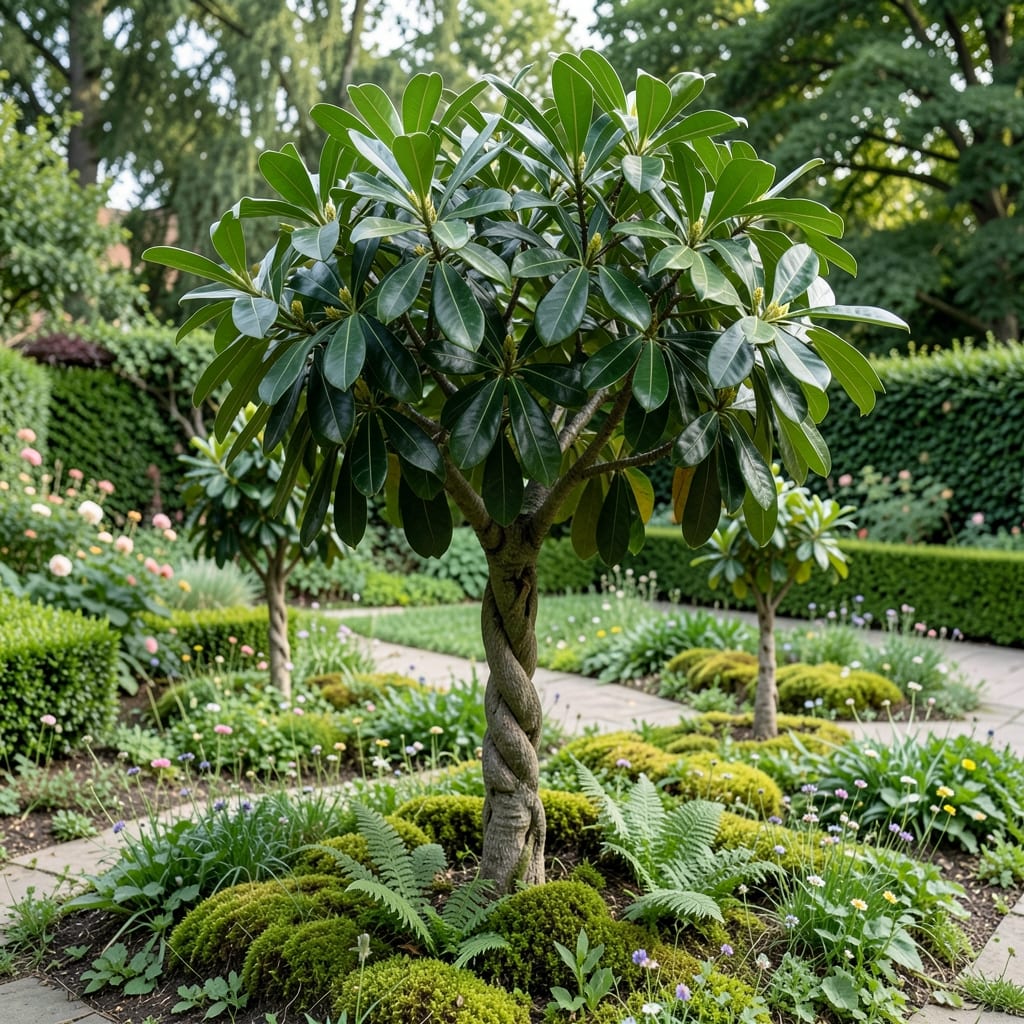
Wondering how tall can a Money Tree grow indoors? You’re not alone—many plant lovers assume these 💰-bringing beauties will reach sky-high heights like their tropical cousins. But here’s the truth: with the right care, your Money Tree (Pachira aquatica) can become a stunning vertical statement piece, but its growth depends on more than just luck.
The average indoor Money Tree matures between 6 to 10 feet, though dwarf varieties stay compact at just 3 to 5 feet. That means whether you’re dreaming of a towering centerpiece or a petite desk companion, this plant adapts—if you know the secrets. Light, pot size, and pruning play huge roles in shaping its height, and I’ll break down exactly how to control it.
Think your space is too small? Think again. With strategic pruning and proper care, you can train your Money Tree to stay at your desired height—no ceiling required. Plus, I’ll debunk common myths about stunted growth and share pro tips to keep your plant thriving year-round.
Ready to turn your indoor jungle into a Money Tree masterpiece? Let’s dive into the factors that determine just how tall (or short) your plant can grow—and how to make it work for your home.


Money Tree height by variety: realistic indoor growth limits
Your Money Tree (Pachira aquatica)’s height isn’t just about luck—it’s all about the variety you choose. Standard types can reach 8 to 10 feet indoors with ideal care, while dwarf varieties stay between 3 to 5 feet. The key difference? Genetics and how you prune. Let’s break down what to expect from the most popular types and how to control their growth.
If you’re working with limited space, dwarf Money Trees are your best bet. These compact varieties grow just 3 to 5 feet tall at maturity, making them perfect for apartments or small offices. They still bring that lucky charm without overwhelming your decor. Meanwhile, standard varieties like the classic Pachira ‘Money Tree’ can stretch toward the ceiling—if you let them.
Here’s the catch: even standard Money Trees won’t hit their full height potential indoors unless given the right conditions. Low light, small pots, or neglect can stunt growth to just 3 to 6 feet. That’s why understanding your variety’s growth habits is step one to achieving your dream height—or keeping it petite.
🌱
| Variety | Mature Height Indoors | Growth Rate | Best For |
|---|---|---|---|
| Standard Money Tree | 6–10 ft | Slow to moderate | Large spaces, statement plants |
| Dwarf Money Tree | 3–5 ft | Slow | Small spaces, desks, shelves |
| Pachira ‘Aquatica’ (Standard) | 8–10 ft | Moderate | High ceilings, tropical vibes |
| Hybrid Varieties (e.g., ‘Rainbow Money Tree’) | 4–8 ft | Moderate | Colorful foliage, medium spaces |
Notice how hybrid varieties like the Rainbow Money Tree fall in the middle? That’s because breeders cross standard and dwarf traits to create balanced growth. If you love the look of a Money Tree but hate the idea of a 10-foot monster, hybrids are the happy medium—typically 4 to 8 feet tall with vibrant leaves.
But here’s the real game-changer: pruning. Even a standard Money Tree can be kept at 3 to 5 feet with regular trimming. The secret? Prune just above a leaf node (where leaves grow) to encourage bushier growth. Want it taller? Let it grow freely and only trim to remove dead leaves. It’s all about your vision—and your ceiling height!
One common misconception is that Money Trees only grow tall. In reality, their natural shape is bushy and multi-stemmed if given the right care. Many people buy them as small plants and expect them to shoot up like bamboo—only to be disappointed when they stay compact. The truth? With proper light and nutrients, they’ll grow up to 12 inches per year if happy.
🌿 For example, my 5-year-old Money Tree started as a 2-foot sapling and now stands at 6 feet tall—all thanks to bright indirect light and occasional pruning to shape it. The key? Don’t rush it. Money Trees grow steadily, not overnight. Patience (and the right pot size) makes all the difference.
If you’re still unsure which variety fits your space, start with a dwarf Money Tree. They’re forgiving, adaptable, and perfect for beginners. Plus, you can always prune a standard variety down later if it outgrows your home. The beauty of Money Trees? They’re flexible—just like your decor goals.
Ready to pick your perfect height? Next, we’ll dive into the 5 key factors that control how tall (or short) your Money Tree becomes—and how to tweak them for your space. Stay tuned!
5 Key factors that control your Money Tree’s indoor height
Your Money Tree’s height isn’t set in stone—it’s shaped by five critical factors you control daily. Get these right, and you’ll coax that 6-to-10-foot dream height (or keep it compact). Get them wrong, and even a dwarf variety might stay stunted at just 3 feet. Let’s break down what really matters and how to tweak each for your space.
First up: light exposure. Money Trees thrive in bright, indirect light, which fuels vertical growth. Place yours near an east or north-facing window for optimal results. Too little light? Growth slows to a crawl—expect just 1-2 feet per year instead of the possible 12 inches annually. Pro tip: Rotate your pot every few weeks to ensure even growth and prevent lopsided stretching toward the light.
🌱
- Light Exposure: 6+ hours of bright, indirect light = faster vertical growth. Too little = stunted growth.
- Pot Size: Root-bound plants grow 2x faster—upgrade pots only when roots circle the drainage hole.
- Watering Habits: Overwatering causes root rot, halting growth. Underwatering stresses the plant, slowing height gains.
- Humidity Levels: 40-60% humidity keeps leaves lush and encourages steady growth. Dry air = crispy edges and stunted growth.
- Seasonal Changes: Spring/summer = active growth. Fall/winter = dormancy. Adjust care to avoid shocking the plant.
Next, pot size plays a surprising role. Money Trees grow 20-30% faster when root-bound, thanks to the stress of confined roots. That said, if you keep them in a too-small pot for years, growth can stall entirely. Upgrade pots every 1-2 years (or when roots escape drainage holes) to maintain steady height gains. A 12-inch pot is ideal for mature standard varieties, while dwarf types thrive in 8-inch containers.
Watering habits often make or break height potential. Overwatering is the #1 killer of steady growth—it causes root rot, which halts vertical expansion. Aim for slightly moist but well-drained soil and water only when the top 1-2 inches feel dry. In summer, I water my Money Tree every 5-7 days; in winter, I stretch it to 10-14 days. Too much water = yellow leaves and stunted growth. Too little = crispy edges and slowed height gains.
Don’t overlook humidity, either. Money Trees love 40-60% humidity—the kind you’d find in a tropical rainforest. Dry indoor air (especially in winter) causes leaf edges to crisp, which stresses the plant and slows growth. Boost humidity with a pebble tray or humidifier near your plant. I’ve seen Money Trees grow 30% faster in humid conditions versus dry ones. A simple spray bottle can work in a pinch, but consistency is key.
Finally, seasonal changes dictate growth spurts. Money Trees enter dormancy in fall/winter, which means height gains slow to a near-stop. That’s normal! Focus on keeping leaves healthy during this time. In spring and summer, growth accelerates—this is when you’ll see the most vertical progress. Feed your plant with a balanced fertilizer (like 10-10-10) every 4-6 weeks during these active months to fuel that upward momentum.
🌿 Here’s my real-world example: Last spring, I moved my Money Tree to a sunny east window, upgraded its pot, and increased humidity with a pebble tray. Within 3 months, it shot up 18 inches—double its usual growth rate! The secret? I adjusted all five factors at once. You don’t need to master them overnight, but tweaking even two or three can make a dramatic difference in height.
Ready to take control? Start with light and pot size—these two factors have the biggest impact on height. Next, we’ll tackle pruning techniques to shape your Money Tree exactly how you want it, whether that’s a towering statement piece or a compact desk companion. Stay tuned!