
Size
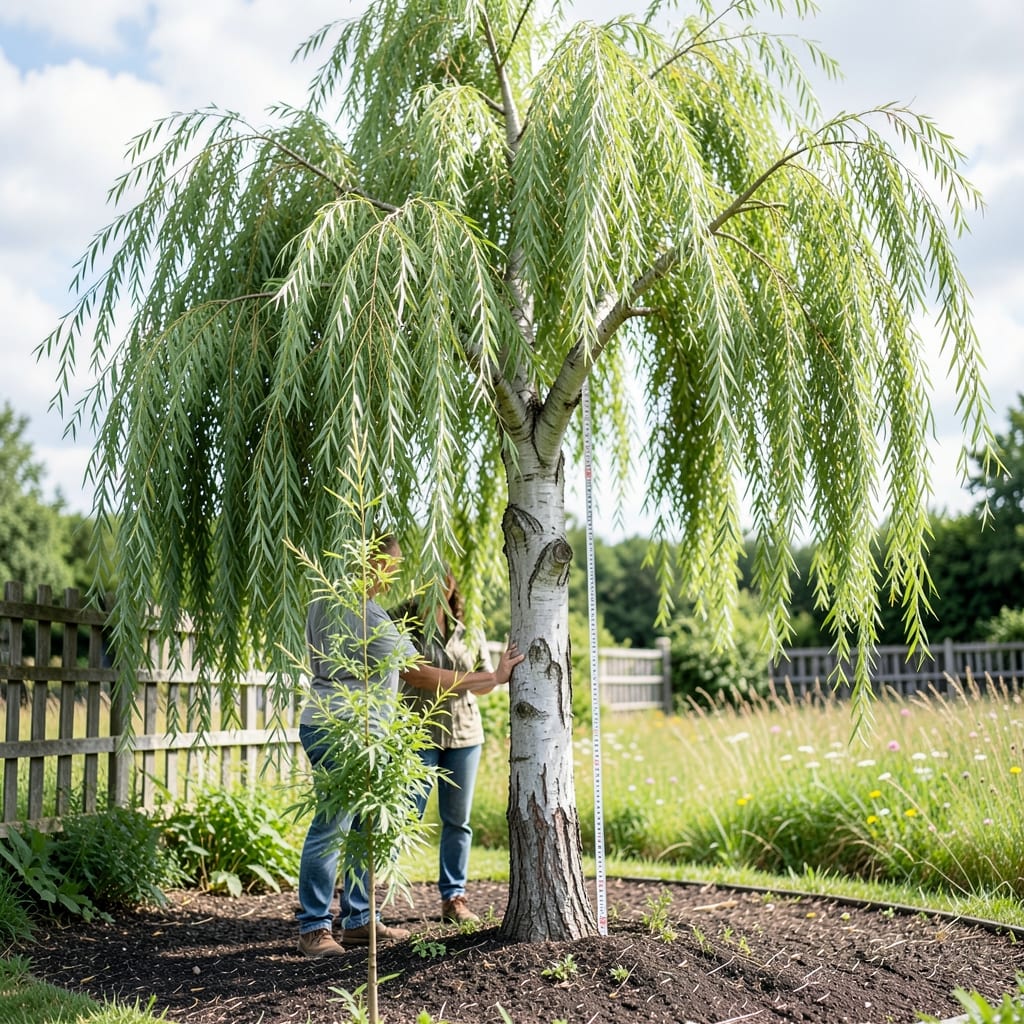
If you’ve ever dreamed of a tree that grows how tall can a willow tree grow—some varieties can hit 100 feet in just a few decades—here’s the catch: their rapid growth means they’ll need serious space, regular pruning, and a water source nearby to thrive. Whether you’re curious about the towering black willow or the graceful weeping willow, knowing their height potential is key to planning your landscape.
The fastest-growing willow trees can shoot up 3 to 5 feet per year, turning a small sapling into a shade giant in no time. However, their mature size depends on the variety—some stay compact, while others dominate the skyline. Understanding these differences will help you choose the right type for your yard, whether you want a statement piece or a manageable addition.
Pruning is the secret to controlling their height without stunting their growth. With the right techniques, you can keep a willow tree from becoming a neighborhood eyesore while still enjoying its stunning foliage. I’ll walk you through the best practices, so you can enjoy a willow tree’s beauty without the headaches of unchecked growth.
Ready to add a willow tree to your landscape? Let’s break down the varieties, their growth habits, and how to keep them in check—so you can enjoy their speedy growth without the stress.


Willow tree height by variety: which fast-growing species reach 100+ feet?
Willow trees are famous for their explosive growth rates, with some varieties reaching 100 feet or taller in ideal conditions. The black willow (Salix nigra) and crack willow (Salix fragilis) are the tallest, while weeping willows (Salix babylonica) grow wide but can still hit 50 feet with proper care. Understanding these differences is key to choosing the right variety for your space.
The fastest-growing willow trees can add 3 to 5 feet per year in their youth, but their mature height depends on genetics, soil quality, and climate. For example, the peachleaf willow (Salix amygdaloides) stays shorter at 30 to 40 feet, making it a better fit for smaller yards. Meanwhile, the white willow (Salix alba) can soar to 75 feet or more in the wild.
Here’s a quick comparison of the most popular willow varieties and their mature height ranges, so you can plan your landscape with confidence:
The black willow and white willow are the tallest, often exceeding 75 feet in their native habitats. These giants thrive in moist, fertile soil with full sun exposure, but their aggressive roots can damage foundations or clog drains. If you’re planting near a water feature, the weeping willow is a stunning choice—its cascading branches create a dramatic focal point, though it still needs space to spread.
For smaller spaces, the peachleaf willow or pussy willow are excellent alternatives. The pussy willow, in particular, stays under 25 feet and is prized for its fluffy catkins in early spring. However, even these "compact" varieties can grow taller if given ideal conditions, so always check local climate data before planting.
Climate plays a huge role in willow tree height. In USDA Zone 6 or warmer, willows grow faster and taller due to longer growing seasons. In cooler zones, their growth slows, and mature heights may be 20–30% shorter. For example, a white willow in Zone 7 might hit 80 feet, while the same tree in Zone 5 could max out at 60 feet.
Soil moisture is another critical factor. Willow trees love wet soil—they’re often found near streams or ponds in the wild. If your yard is dry, you’ll need to water deeply 2–3 times per week during the first year to encourage rapid growth. Without enough moisture, their height potential drops significantly, and they may develop weak, brittle branches.
If you’re torn between varieties, consider your long-term goals. Want a privacy screen? The black willow or white willow will deliver fast shade. Craving ornamental beauty? The weeping willow or peachleaf willow offer stunning foliage and form. Just remember: once planted, willows are hard to move, so choose wisely!
🌳
How to prune a willow tree to control height without killing it
Pruning a willow tree is non-negotiable if you want to control its height without sacrificing its health. These trees grow so fast that unchecked branches can become unwieldy and weak, leading to breakage or disease. The key is timing, technique, and moderation—cut too much or at the wrong time, and you’ll stunt its growth or invite pests. I’ve pruned willows for years, and here’s what works.
First, never prune in fall or winter. Willow trees bleed sap aggressively during these seasons, which can weaken the tree and attract pests. Instead, prune in late winter or early spring, just as new growth begins. This timing ensures the tree can seal wounds quickly and focus energy on healthy regrowth. For weeping willows, you can also do a light pruning in summer to shape branches, but avoid heavy cuts.
Here’s a step-by-step pruning guide to keep your willow tree’s height in check while keeping it thriving:
- 1 Assess the tree: Look for dead, diseased, or crossing branches. These are priority cuts. Use a sharp pruning saw for thick branches (over 2 inches) and bypass pruners for smaller ones.
- 2 Cut at the right angle: Make clean cuts ¼ inch above a bud or branch collar. Avoid leaving stubs, which invite rot. For height reduction, cut back to a strong lateral branch or the main trunk.
- 3 Remove no more than 25% of foliage: Willow trees hate aggressive pruning. Over-pruning stresses them and can lead to weak regrowth or dieback. Focus on structural shaping rather than drastic height cuts.
- 4 Disinfect tools between cuts: Willow trees are prone to bacterial and fungal infections. Wipe your pruners with rubbing alcohol or a 10% bleach solution after each cut to prevent spread.
- 5 Fertilize and water after pruning: Apply a balanced fertilizer (10-10-10) and deep water the tree to help it recover. This encourages strong new growth and compensates for the energy lost during pruning.
One common mistake is topping willow trees—cutting the main trunk to stubs to force bushier growth. This never works well and often leads to weak, ugly regrowth or even tree death. Instead, prune selectively to encourage a natural, balanced shape. For weeping willows, focus on thinning out dense branches to improve airflow and reduce disease risk.
If your willow tree is already too tall and you need to reduce its height significantly, spread the pruning over 2–3 years. Removing more than 30% of the canopy in one year can shock the tree, especially in drought-prone areas. Always monitor the tree’s response—healthy willows will sprout new leaves within weeks of pruning.
For young willow trees, pruning is mostly about removing suckers (shoots growing from the base) and shaping the central leader. These trees are flexible and recover quickly, so you can be more aggressive with shaping in their first few years. Just avoid pruning in late summer, as this can stunt fall growth and weaken the tree’s winter hardiness.
🪴