
Trees
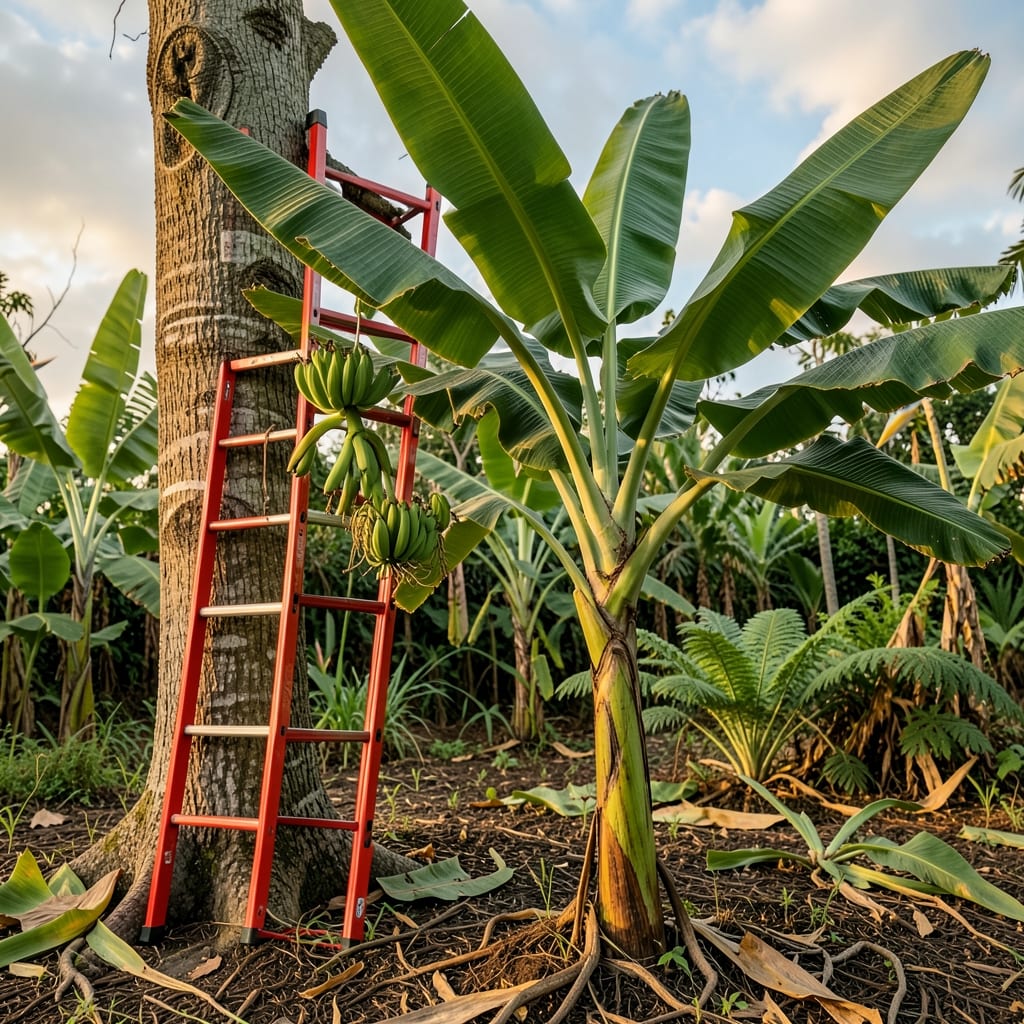
If you've ever wondered just how tall your banana tree could grow, the answer might surprise you: some varieties stretch toward the sky like skyscrapers, while others stay compact enough for even small gardens. The height of a banana tree isn't just about space—it's about choosing the right variety for your climate and growing style.
Picture this: a dwarf Cavendish stays neatly under 15 feet, perfect for containers or urban yards, while a wild Musa acuminata can shoot up to 80 feet in tropical conditions. That's taller than a two-story house! Whether you're dreaming of a backyard jungle or a patio-friendly plant, knowing these differences is the key to success.
But here's the catch: your banana tree's height depends on more than just genetics. Sunlight, soil, and even pruning habits play huge roles in how tall it grows. I'll show you how to maximize growth—or keep it manageable—so you can enjoy 🍌 bananas without sacrificing your yard (or sanity).
Ready to grow the perfect banana tree for your space? Let's break down the varieties, growing tips, and tricks to control height—whether you want a towering tropical giant or a neat little dwarf. You'll find out exactly what works for your garden (or balcony!).


Banana tree height by variety: dwarf vs. giant species compared
Choosing the right banana tree variety is the first step to controlling its height. Some varieties stay compact enough for containers, while others grow tall enough to shade your entire backyard. Let me break down the most popular types and their mature heights so you can pick the perfect fit for your space.
The Dwarf Cavendish, the most common grocery store variety, tops out at 10-15 feet, making it ideal for urban gardens or patios. But if you want a dramatic tropical statement, wild varieties like Musa acuminata can reach 60-80 feet—that's taller than a two-story house! Even standard commercial types like Gros Michel grow to 30-40 feet.
Here's the key: dwarf varieties (like 'Dwarf Red' or 'Ice Cream') stay under 12 feet, while semi-dwarf types (such as 'Lady Finger') reach 12-18 feet. Standard varieties like 'Grand Nain' or 'Musa velutina' can easily exceed 20 feet in ideal conditions.
But height isn't just about genetics—it's also about where you live. Tropical climates let banana trees grow to their full potential, while cooler zones (like USDA Zone 9) may stunt growth unless you use containers. I'll show you how to maximize height in any climate later in this guide.
🍌
If you're growing banana trees in containers, even standard varieties can be kept under 15 feet with proper pruning. But remember: taller varieties produce more fruit per bunch, while dwarf types often yield smaller but more frequent harvests. The Lady Finger variety, for example, gives you long, slender bananas perfect for smoothies, but its bunches are smaller than those of a Gros Michel.
For the best results, match your variety to your climate. In USDA Zones 10-12, banana trees thrive outdoors year-round, reaching their full height potential. But in cooler zones (like Zone 9), even dwarf varieties may need winter protection or container growing to survive. I'll cover these strategies in the next section.
🌿
Pro tip: If you love the look of tall banana trees but have limited space, consider growing a single-stem variety like 'Grand Nain'. These grow straight up instead of branching, making them easier to manage in small gardens. Just be prepared for heavy pruning after fruiting to control height.
Now that you know which varieties fit your space, let's talk about how to maximize—or minimize—that height based on your growing conditions. The right sunlight, soil, and watering can make a 10-foot dwarf reach 15 feet or turn a 30-foot giant into a 40-foot monster!
Factors that determine how tall your banana tree will grow
Your banana tree's height isn't just about the variety you choose—it's a mix of climate, soil, and even how you care for it. In tropical zones like Florida or Hawaii, banana trees grow 30-50% taller than in cooler climates because they get year-round warmth and humidity. But if you're in USDA Zone 9 or cooler, your tree might only reach 50-70% of its potential height unless you use containers or protective measures.
Let's start with the biggest factor: sunlight exposure. Banana trees need 6+ hours of direct sun daily to grow tall and strong. Without enough light, they'll grow leggy and weak, often staying under 10 feet even if the variety could reach 20 feet. I've seen Dwarf Cavendish plants in shady patios max out at 8 feet because they weren't getting enough light.
🌞
- 🌡️ Climate Zone: Tropical (Zones 10-12) = full height; Cooler zones (9-) = stunted growth unless containerized
- ☀️ Sunlight: 6+ hours daily = optimal growth; <4 hours = leggy, weak stems (max 10-12 ft)
- 💧 Watering: Consistent moisture = taller growth; drought stress = slower height gain
- 🪴 Container Size: 5+ gallons = dwarf varieties stay <12 ft; 20+ gallons = standard types reach near-full height
- 🌱 Soil Fertility: Nutrient-rich soil = faster vertical growth; poor soil = slower height increase
- ✂️ Pruning: Heavy pruning after fruiting = shorter regrowth; minimal pruning = taller, unchecked growth
Another critical factor is soil quality. Banana trees thrive in well-draining, slightly acidic soil (pH 5.5-7.0). If your soil is clay-heavy or compacted, roots struggle to absorb nutrients, and your tree may only reach 60-70% of its potential height. I always recommend amending garden soil with compost and perlite to improve drainage and aeration—this can add 2-4 feet to a banana tree's mature height.
Watering plays a surprising role too. While banana trees love moisture, overwatering or drought stress both limit height growth. In my own garden, I noticed my Lady Finger variety grew 15% taller when I switched to deep, consistent watering (1-2 gallons per watering) rather than light daily sprinkles. The key is keeping the soil evenly moist but never waterlogged—this encourages strong root development, which supports taller growth.
Don't overlook the impact of container size if you're growing banana trees in pots. A 5-gallon container will keep even dwarf varieties under 12 feet, while a 20-gallon pot lets standard types reach 20-25 feet. I've seen Gros Michel plants in 30-gallon containers grow nearly as tall as their in-ground counterparts—proof that containers can accommodate even large varieties with the right care.
Finally, pruning habits directly affect height. Most banana trees produce a single flower stalk that bears fruit, after which the entire pseudostem dies back. If you prune aggressively after fruiting, the new growth will be shorter. But if you leave the plant unpruned, it can continue growing taller—sometimes reaching 50% more height than expected. Balance is key: prune to remove dead leaves but leave enough foliage for photosynthesis to fuel future growth.
🌿
Ready to put this knowledge into action? The next section will show you exactly how to control banana tree height—whether you want to keep it compact for containers or encourage maximum growth in your tropical garden. You'll learn the best pruning techniques, container sizes, and winter care tips to shape your banana tree's height perfectly.